

That moment when your AC starts blowing warm air in the middle of a Florida afternoon is bad enough. What makes it worse is not knowing whether you should repair it one more time or move forward with a full replacement. This air conditioner replacement guide is built for homeowners who want clear answers before they spend money, lose comfort, or end up with the wrong system.
In Central Florida, that decision matters more than it does in milder climates. Your air conditioner is not a luxury item here. It carries a heavy workload for much of the year, and an aging system can drive up utility bills, struggle with humidity, and break down when you need it most. Replacing the unit at the right time can improve comfort, lower monthly costs, and reduce the chance of emergency calls during peak heat.
When this air conditioner replacement guide points to replacement
Most homeowners do not replace an AC because of one bad day. Usually, the signs build over time. The system starts needing frequent repairs, rooms become unevenly cooled, and your electric bill creeps up even though your thermostat settings have not changed.
Age is one of the biggest factors. Many central air systems last around 10 to 15 years, but Florida conditions can be hard on equipment. Salt air near the coast, long cooling seasons, high humidity, and heavy use can shorten that timeline. If your system is over a decade old and repair issues are becoming more common, replacement often makes more financial sense than continuing to patch it.
The type of repair matters too. A clogged drain line or failed capacitor is one thing. A compressor issue, evaporator coil leak, or repeated refrigerant problems are another. Once repair costs start stacking up, you are paying to keep an older system alive without gaining better efficiency or reliability.
There is also the comfort question. If your AC runs constantly but still leaves the house sticky, noisy, or unevenly cooled, the problem may be larger than a single part. In many homes, replacement is not just about avoiding breakdowns. It is about getting your comfort back.
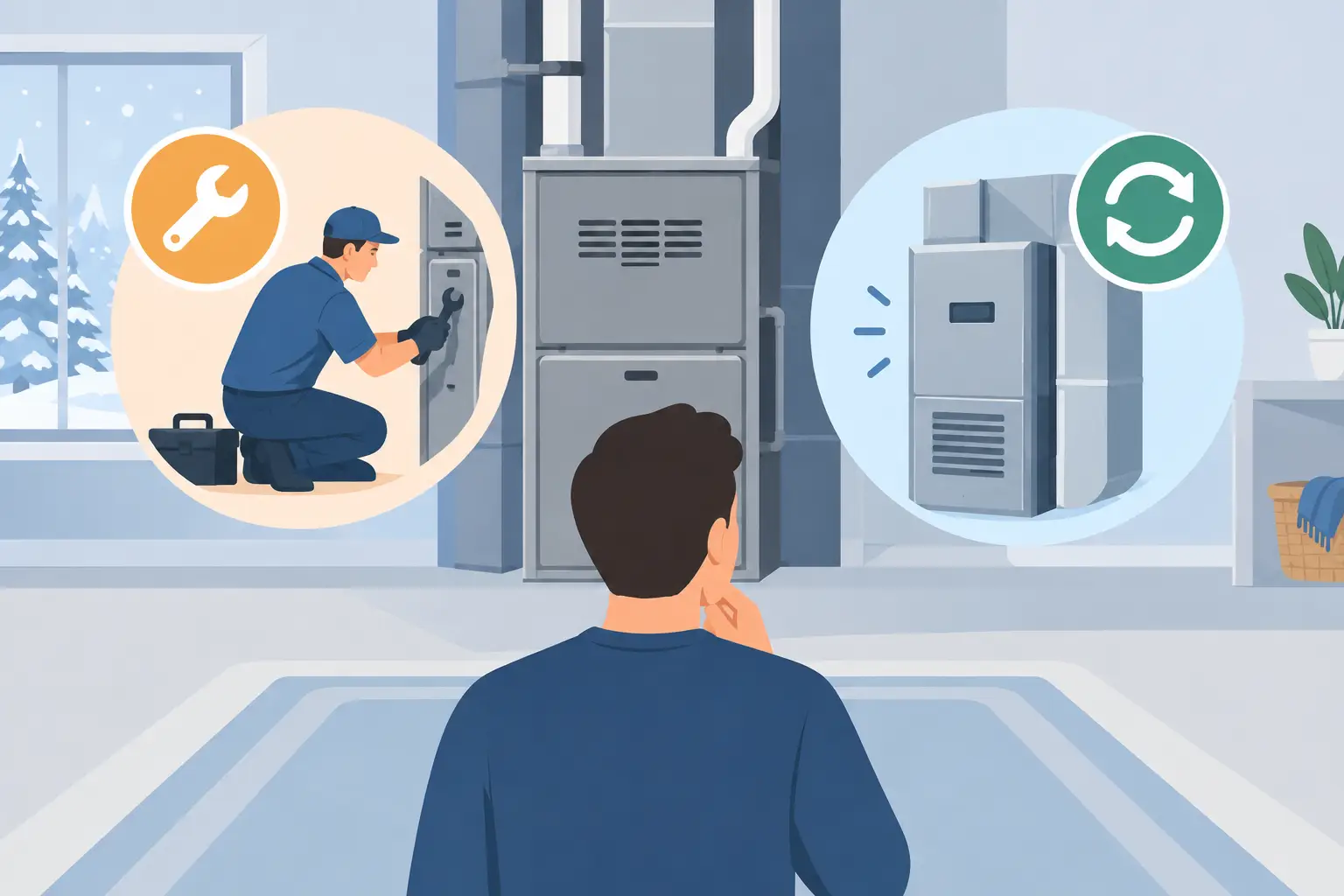
Repair or replace? The cost decision homeowners struggle with
There is no universal rule that applies to every system, but a useful guideline is to compare the repair cost with the age and condition of the equipment. A major repair on an older unit usually deserves a serious replacement conversation. A smaller repair on a newer, otherwise dependable system may still be worth it.
It also helps to look beyond the immediate invoice. An older AC may cost less to repair today, but more to operate every month. That is especially true if the unit is undersized, oversized, or losing efficiency from wear. New equipment often brings better energy performance, improved humidity control, and quieter operation. Those benefits do not erase the upfront cost, but they do change the long-term value.
For many households, budget is the deciding factor. That is real, and it should be part of the conversation. Financing can make replacement more manageable, especially when the alternative is paying for repeated repairs on borrowed time. The right choice is not always the cheapest today. It is the option that gives your home dependable cooling without creating the same problem again in six months.
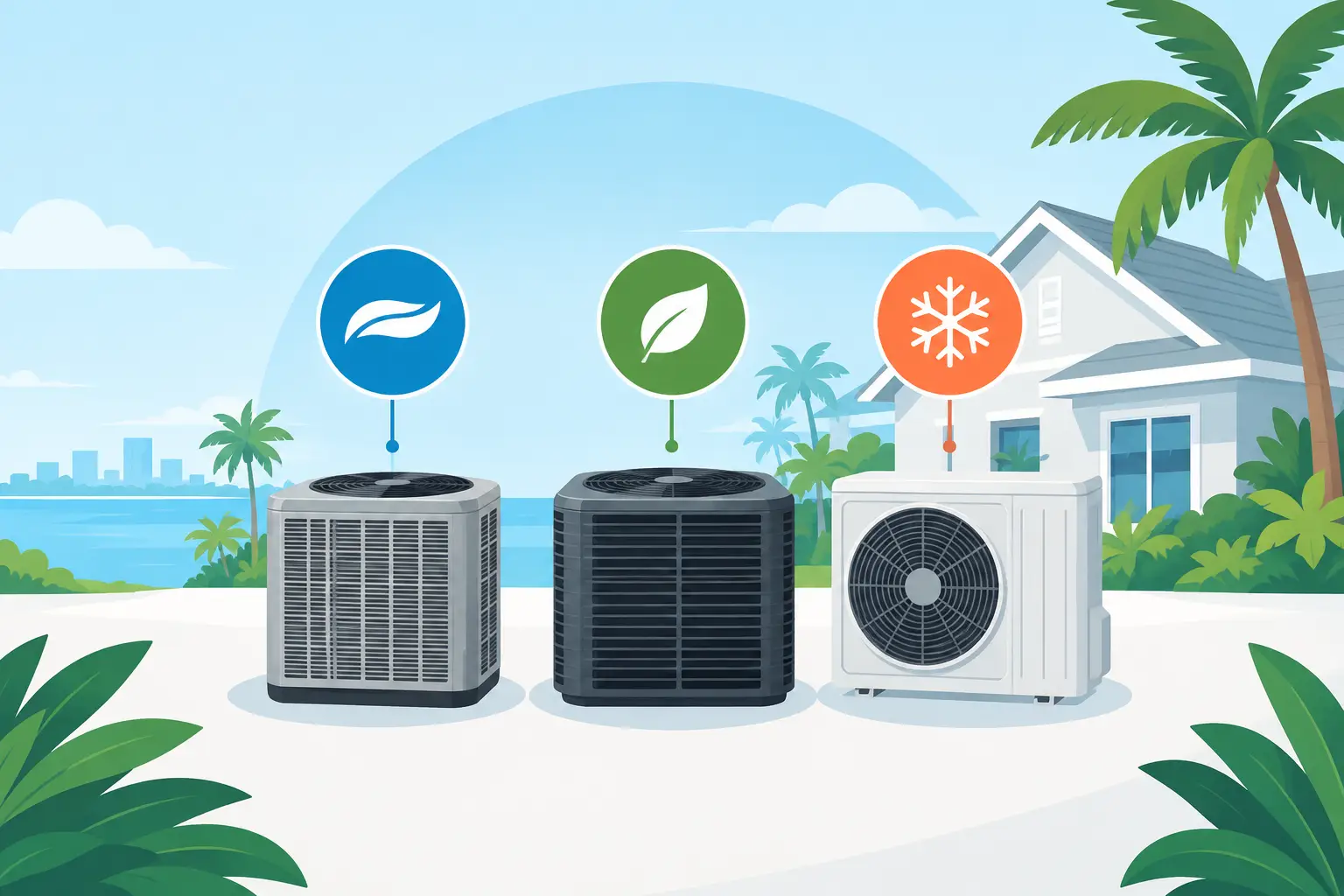
Choosing the right system for your home
A good air conditioner replacement guide should make one point very clear: bigger is not better. The right system is the one that matches your home, your ductwork, and the way your family actually lives.
If an AC is too small, it may run constantly and still struggle to cool the house. If it is too large, it can short cycle, wear down faster, and leave excess humidity behind. In Florida, humidity control matters almost as much as temperature. A home that reaches the thermostat setting but still feels damp is not truly comfortable.
That is why proper sizing matters. A contractor should evaluate square footage, insulation levels, window exposure, ceiling height, duct condition, and other load factors before recommending equipment. Swapping in the same size unit without reviewing the home can lead to the same comfort issues all over again.
You will also want to think about efficiency. Higher-efficiency systems can reduce operating costs, but the best value depends on how long you plan to stay in the home, how often the AC runs, and what your current utility bills look like. Not every homeowner needs the top-tier model. Sometimes a mid-range system with solid reliability is the better investment.
What to expect during the AC replacement process
Replacing an air conditioner should not feel like a guessing game. A professional process starts with an in-home evaluation, not a rushed quote based only on square footage or the old system’s nameplate.
During that visit, the technician should inspect the indoor and outdoor components, review ductwork, check airflow, and ask about comfort issues you have noticed. If hot spots, weak airflow, or humidity problems have been ongoing, this is the time to bring them up. A replacement is the best opportunity to solve those issues instead of carrying them into a new install.
Once equipment options are presented, the conversation should cover capacity, efficiency, warranty details, installation timeline, and any related upgrades that may be needed. In some homes, the air handler, thermostat, drain system, or electrical components also need attention. That can affect price, but it can also protect the performance of the new equipment.
Installation day usually involves removing the old system, setting the new equipment, connecting refrigerant and electrical lines, testing airflow, checking refrigerant charge, and verifying system operation. A quality install matters as much as the brand on the box. Even premium equipment can underperform if it is installed poorly.
Air conditioner replacement guide for Florida homes
Florida homeowners have a few priorities that should stay front and center during replacement. First is humidity control. Two homes can both be 74 degrees, but the one with better moisture removal will feel cooler and more comfortable. Variable-speed and properly matched systems often help here, though the right choice depends on budget and home layout.
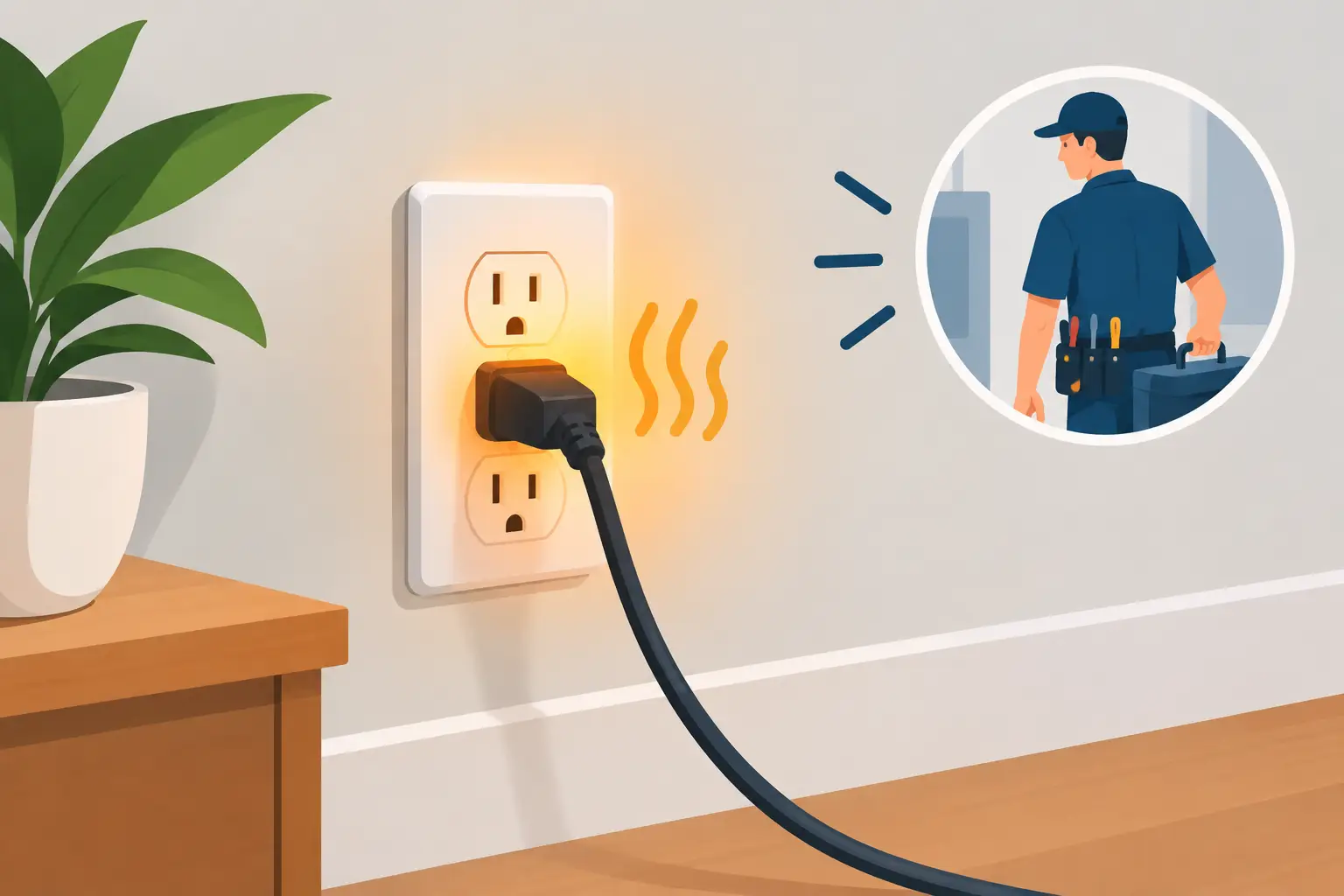
Second is durability. Coastal conditions, long run times, and storm-related power issues can all affect equipment life. Depending on your property, it may be worth discussing corrosion resistance, surge protection, and maintenance planning as part of the replacement decision.
Third is speed. When an AC fails in summer, waiting days for answers is not ideal. Homeowners in this region often need same-day availability or fast turnaround, especially if there are young children, older adults, pets, or health concerns in the home. That is one reason many families prefer working with an established local provider that can handle urgent service, installation, and any related electrical needs under one roof.
Questions to ask before you approve the job
Before you move forward, ask how the system was sized and whether ductwork was evaluated. Ask what efficiency level is being recommended and why. Ask whether the thermostat is compatible, whether any electrical upgrades are needed, and what warranty coverage applies to both parts and labor.
It is also smart to ask what is included in the quoted price. Some proposals cover everything from permits to haul-away, while others leave out items that appear later as added cost. Clear answers now can prevent frustration on installation day.
If you are comparing multiple proposals, do not judge them by price alone. One estimate may include a better installation scope, improved warranty terms, or corrections to duct or drainage issues that another company ignored. The cheapest option is not always the best value if it leaves existing problems untouched.
How maintenance affects your replacement investment
A new air conditioner is a major investment, and routine maintenance helps protect it. In Florida, that means more than changing a filter once in a while. Seasonal tune-ups can catch airflow issues, drain problems, refrigerant concerns, and electrical wear before they turn into expensive repairs.
Maintenance also helps your system hold its efficiency over time. A neglected unit can lose performance long before it reaches the end of its expected lifespan. If you are replacing an older AC, this is the right moment to think about ongoing service as part of the total plan, not as an afterthought.
For homeowners who want fewer surprises, scheduled maintenance can make ownership easier. It supports performance, extends equipment life, and helps reduce the chance of a breakdown during the hottest stretch of the year.
A replacement decision is never just about the equipment. It is about comfort, timing, budget, and confidence in the company doing the work. If your current system is showing its age, asking the right questions now can save you from bigger stress later. And when the Florida heat is not giving you a break, having a reliable team like ACS Home Services on your side can make the whole process feel a lot more manageable.