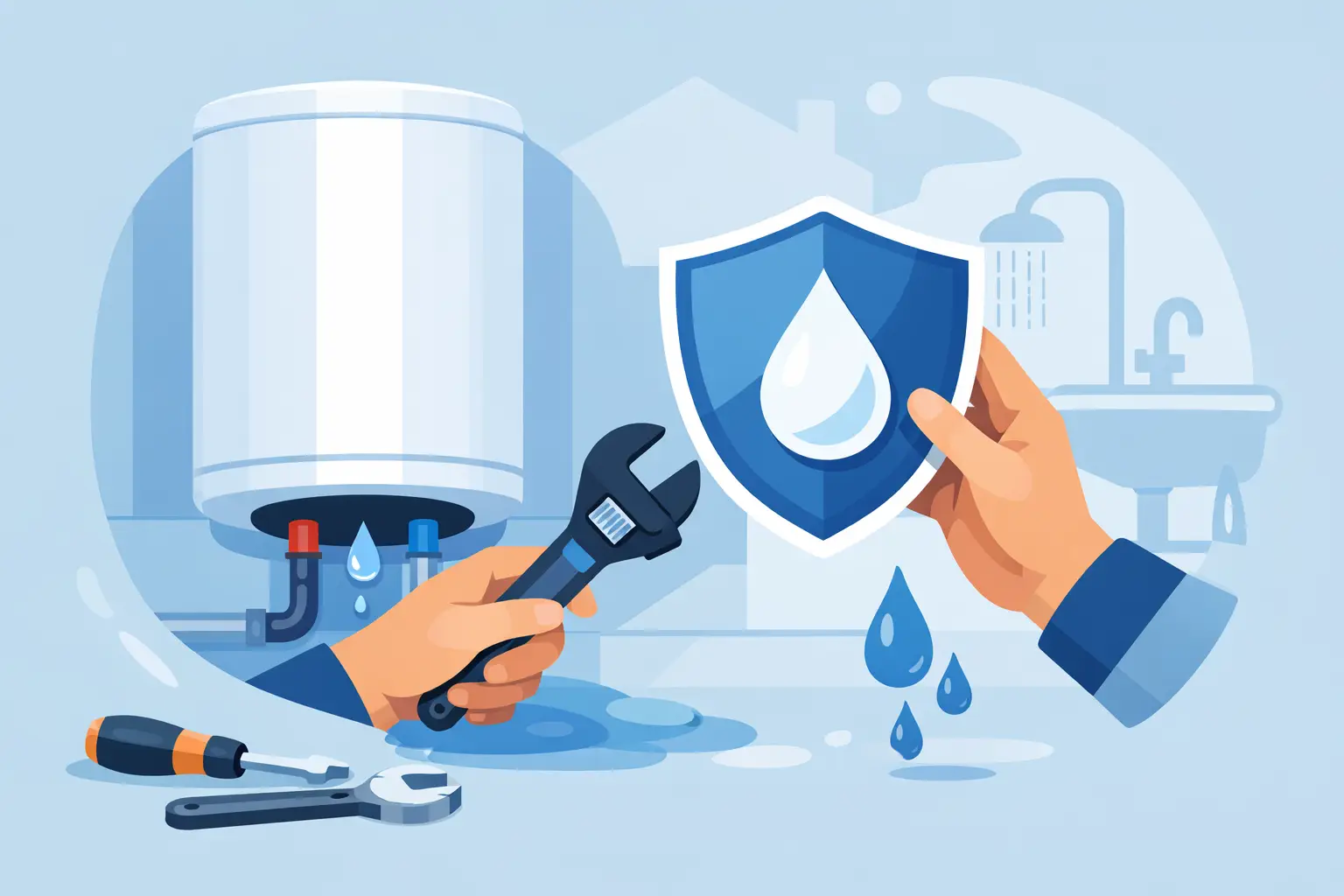

A water heater leak rarely starts as a dramatic flood. More often, it begins with a small damp spot near the tank, a rusty connection, or a slow drip that goes unnoticed in a garage or utility closet. Knowing how to prevent water heater leaks gives Tampa Bay homeowners a chance to protect floors, walls, belongings, and their home’s plumbing system before a minor issue becomes an urgent repair.
Florida’s heat, humidity, mineral-heavy water in some areas, and frequent use all put pressure on water-heating equipment. A few routine checks and timely professional maintenance can add years to a water heater’s life while reducing the chance of unexpected water damage.
Start With Regular Visual Checks
You do not need to take apart your water heater to spot early warning signs. Once a month, look around the unit and the floor beneath it. The area should be dry, with no standing water, rust-colored stains, corrosion, or musty odors.
Pay close attention to the cold-water supply line, hot-water outlet, drain valve, and connections at the top of the tank. A loose fitting may drip only when hot water is being used, so it can be easy to miss. If you see moisture around a connection, do not assume it is normal condensation. Have a plumbing professional identify the source before the leak worsens.
For gas water heaters, never ignore signs of corrosion around the venting system or a gas smell near the unit. Leave the area and contact a qualified professional or your gas utility if you suspect a gas leak.
Maintain the Pressure Relief Valve
Every tank-style water heater has a temperature and pressure relief valve, often called a T&P valve. This safety device opens if pressure or temperature inside the tank reaches an unsafe level. It is typically located near the top or side of the water heater and connected to a discharge pipe that runs downward.
A drip from this pipe can mean the valve is worn, but it can also signal excessive water pressure, thermal expansion, or an overheating problem. Replacing the valve without finding the cause may only hide a more serious issue.
Never cap, plug, or block the discharge pipe. The valve is a critical safety feature, not an optional component. Because testing and replacing it requires care, professional inspection is the safest choice, especially when a valve has leaked repeatedly.
Control High Water Pressure
High water pressure can strain more than your water heater. It can shorten the life of faucets, supply lines, washing machine hoses, toilets, and other plumbing fixtures throughout the house. It also increases the likelihood of leaks at water heater connections and relief valves.
A plumber can test your home’s water pressure and determine whether a pressure-reducing valve is needed or whether an existing valve requires adjustment. Many homes also benefit from a properly sized expansion tank. As water heats, it expands. In a closed plumbing system, that added volume needs somewhere to go. An expansion tank helps absorb the pressure increase instead of forcing that stress onto the water heater tank and its safety components.
The right solution depends on your plumbing configuration, water pressure, and water heater type. This is one area where a quick professional assessment is more reliable than guessing.
Flush Sediment Before It Damages the Tank
Sediment is one of the most common threats to a tank water heater. Minerals settle at the bottom of the tank over time, creating a layer that makes the unit work harder to heat water. That buildup can contribute to popping or rumbling noises, reduced efficiency, overheating at the tank bottom, and premature tank failure.
For many homes, annual flushing is a sensible maintenance step. However, the best schedule depends on local water conditions, the age of the equipment, and whether your home uses a water softener or filtration system. An older heater that has never been flushed may need a careful professional evaluation first. Disturbing heavy sediment can occasionally expose an existing weak point in an aging tank.
During a maintenance visit, a technician can flush the tank when appropriate, inspect the drain valve, and look for corrosion that could lead to future leaks. If the drain valve is brittle, stuck, or already dripping, it should be addressed rather than forced open.
Check the Anode Rod Before Corrosion Takes Over
Inside most traditional water heaters is a sacrificial anode rod. Its job is to corrode in place of the steel tank. Once the rod is depleted, corrosion can turn its attention to the tank itself.
Anode rods do not last forever, and their lifespan varies with water chemistry and household usage. A professional can inspect the rod during water heater maintenance and recommend replacement if it is significantly worn. Replacing an anode rod is usually far less disruptive and less expensive than replacing a leaking water heater.
This step matters most for homeowners who plan to keep a conventional tank water heater for many years. If the unit is already near the end of its typical lifespan and showing visible rust, replacement may be the more practical investment.
Install a Drain Pan and Keep Its Drain Clear
A drain pan does not stop a water heater leak, but it can limit the damage while you arrange service. This is especially valuable when a water heater is installed in an attic, interior closet, upstairs utility room, or other area where a small leak could affect ceilings and finished living spaces.
The pan needs a properly installed drain line that directs water to a safe location. A pan without a working drain line may contain only a small amount of water before overflowing. Check periodically that the drain line is not blocked, crushed, disconnected, or draining where water could damage the foundation or create a slipping hazard.
If your water heater is in a garage, a pan may still be worthwhile, particularly if the unit sits near drywall, stored belongings, or electrical equipment. A plumber can confirm what makes sense for your installation and local code requirements.
Protect Connections, Valves, and Flexible Supply Lines
Not every water heater leak comes from the tank. In fact, fittings and supply lines are often the first components to fail. Corrosion at the top of the heater, mineral buildup around threaded connections, or aging flexible hoses can create slow leaks that spread into walls or flooring.
Inspect visible lines for rust, greenish corrosion, kinks, or dampness. Make sure the water heater is not being bumped by stored items, lawn equipment, or boxes in the garage. Even a small impact can damage a valve or fitting.
It is also helpful to know where the cold-water shutoff valve is located. In an active leak, shutting off water to the heater can reduce damage while you wait for help. If the tank itself is leaking, turn off its power supply as well. For an electric unit, switch off the breaker. For a gas unit, follow the manufacturer’s shutdown instructions or call a professional if you are unsure.
Do Not Ignore Condensation or Small Drips
In Florida, a water heater may develop light condensation in humid conditions, particularly when cold water enters a warm garage. But condensation should not be used to explain away a persistent puddle. Dry the area, place a paper towel beneath suspected fittings, and check it again after hot water has been used.
A leaking tank often produces water near the bottom seam or beneath the unit. Unfortunately, once the steel tank itself has corroded through, repair is generally not dependable. Replacement is usually the safest option. Acting early gives you time to choose the right capacity, energy source, and budget-friendly replacement plan instead of making a rushed decision after a failure.
Schedule Professional Water Heater Maintenance
The most dependable way to prevent water heater leaks is to have the system inspected before a visible problem appears. A trained technician can check water pressure, safety valves, venting, electrical or gas connections, sediment levels, the anode rod, drain components, and signs of tank corrosion.
ACS Home Services provides professional water heater service for homeowners who want clear recommendations and timely solutions, whether the issue is a loose connection, a failing valve, or an aging unit that needs replacement. Same-day help can be especially valuable when you notice water where it should not be.
A dry floor around your water heater is worth paying attention to. Make a quick check part of your monthly home routine, and schedule service at the first sign of dripping, rust, pressure issues, or unusual noises. Early action can protect your home and turn a potential plumbing emergency into a manageable maintenance visit.