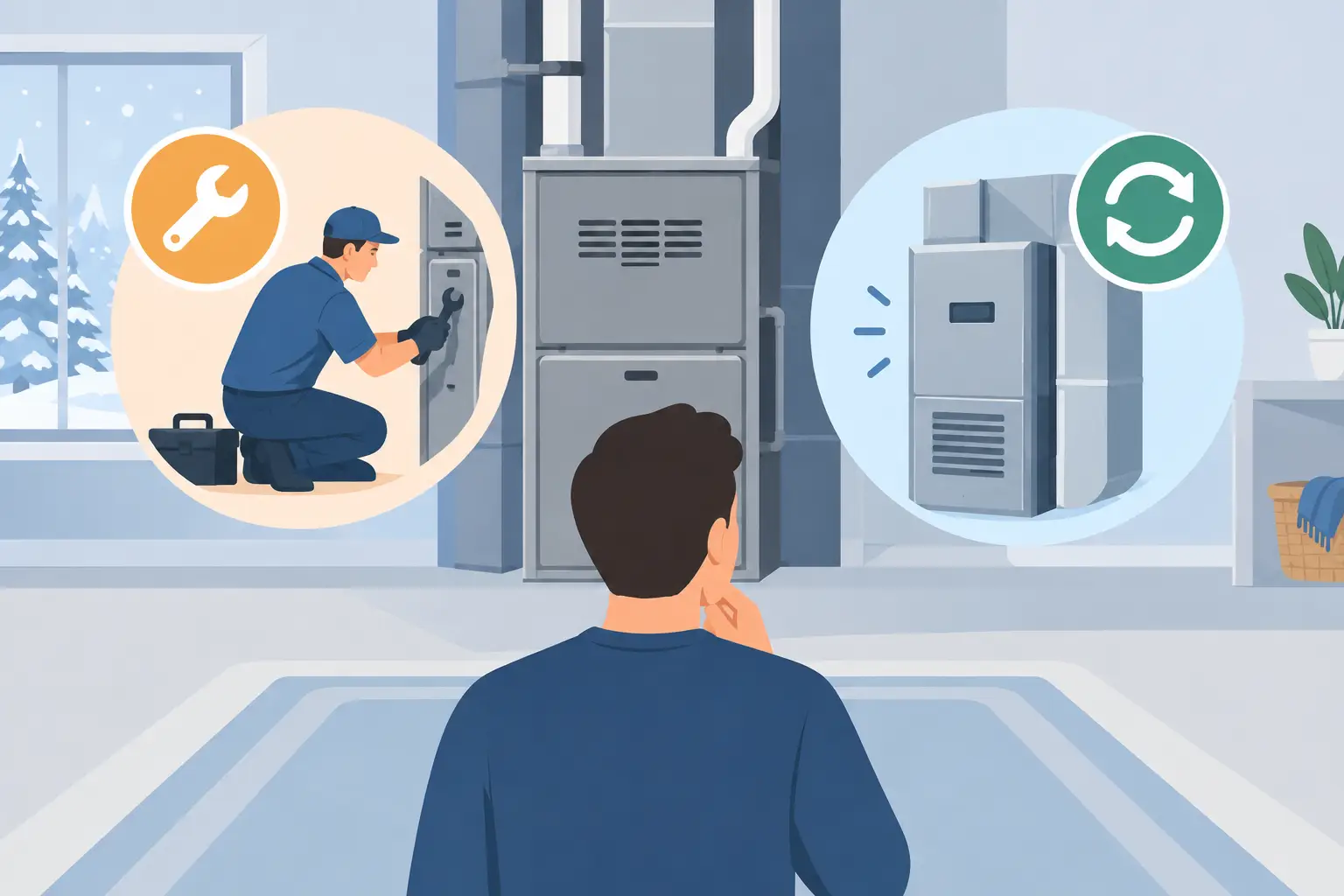


You set the thermostat to 72, but the upstairs bedrooms still feel sticky while the living room turns into a freezer. If your AC is not cooling house evenly, you are not imagining it, and you are definitely not the only Florida homeowner dealing with it. Uneven cooling usually points to an airflow, ductwork, insulation, or system sizing issue, and the longer it goes unchecked, the more comfort and efficiency you lose.
In Central Florida, this problem shows up fast. Long cooling seasons, high humidity, and heavy AC use can expose weak spots in a system that seemed fine a year ago. One room may stay comfortable while another never quite catches up. That is not just frustrating. It can also mean your air conditioner is working harder than it should, which raises energy bills and increases wear on the equipment.
What causes AC not cooling house evenly?
There is no single reason every home develops hot and cold spots. In some homes, the issue starts with the duct system. In others, it comes down to insulation, sun exposure, dirty components, or an aging AC unit that cannot keep up the way it used to.
A common cause is restricted airflow. If one part of your home gets strong airflow and another barely gets any, conditioned air is not being delivered evenly. That can happen when vents are blocked by furniture, air filters are clogged, or ductwork has become disconnected, crushed, or leaky in the attic.
Thermostat location also matters more than many homeowners realize. If the thermostat is near a cooler hallway, shaded room, or supply vent, it may tell the system to shut off before the warmer areas of the home are comfortable. The AC thinks the job is done, even though half the house still feels warm.
Then there is the Florida factor. Rooms with large west-facing windows, vaulted ceilings, or poor attic insulation often gain more heat during the day. Even a properly working AC system can struggle to cool those spaces evenly if the house is not holding conditioned air well.
Signs the problem is bigger than a minor airflow issue
Some uneven cooling issues are simple. Others point to a system problem that needs a trained technician. If one room is always warm but the rest of the house feels fine, that may be a duct or vent issue. If the whole home feels humid, uneven, and harder to cool than usual, the problem may involve the air handler, evaporator coil, refrigerant level, or system capacity.
Pay attention to patterns. If upstairs is always hotter than downstairs, your system may need airflow balancing, duct adjustments, or zoning support. If certain rooms used to cool properly but no longer do, something has likely changed, such as a failing blower motor, damaged duct, or blocked return air path.
You should also watch for longer run times, rising utility bills, weak airflow from vents, or new noises when the system turns on. Uneven cooling rarely stays isolated forever. Left alone, it often becomes a larger comfort and efficiency problem.
What you can check before scheduling service
There are a few practical things you can check on your own before assuming the worst. Start with the air filter. A dirty filter can reduce airflow across the whole system and make temperature differences more noticeable from room to room. If it has been a while since the last change, replace it and give the system a day or two to stabilize.
Next, check supply vents and return vents throughout the house. Make sure they are open and not covered by rugs, curtains, beds, or large furniture. It is surprisingly common for a closed or blocked vent to be part of the problem, especially in guest rooms or less frequently used spaces.
Walk through the home and notice whether sunlight, blinds, or window coverings are affecting specific rooms. During a Florida afternoon, rooms with direct sun can heat up much faster than interior rooms. Closing blinds during peak heat can help reduce the gap.
You can also look for obvious duct issues if you have safe attic access, but this is where most homeowners should stop. Duct leaks, disconnected runs, poor insulation, and airflow design problems are not always visible without experience, and guessing can waste time when the house is already uncomfortable.
When uneven cooling points to ductwork problems
Ductwork is one of the most overlooked reasons an AC is not cooling the house evenly. Conditioned air has to travel through that system before it reaches each room, so any leak, restriction, or design flaw can throw off the balance.
In older homes, ducts may have developed leaks over time, especially in hot attics where materials expand, contract, and age. That cooled air can end up in the attic instead of your bedroom. In other homes, the original duct design may never have been ideal for the layout, especially after renovations, room additions, or changes to the home.
Undersized return air is another frequent issue. Your AC needs to pull enough air back through the system to circulate properly. If return airflow is limited, some rooms can feel stuffy and warm even while the equipment is running.
This is where a professional evaluation makes a difference. A technician can measure airflow, inspect duct integrity, and identify whether the issue is repairable or part of a larger system design concern.
The system may be the wrong size for the home
Many homeowners assume a bigger AC should solve uneven cooling, but that is not always true. An oversized unit can cool certain areas too quickly and shut off before air circulates evenly through the house. That short cycling can also leave humidity behind, which makes warm rooms feel even worse.
An undersized unit has the opposite problem. It may run constantly and still struggle to bring distant or sun-exposed rooms down to the set temperature. In Florida, where heat and humidity put real pressure on AC systems, proper sizing is critical.
If uneven cooling has been a problem since installation, or if the issue became more noticeable after a replacement, the system size and design should be reviewed. The equipment, ductwork, insulation, and home layout all have to work together.
Why maintenance matters more than most people think
Sometimes uneven cooling is not caused by one major failure. It is the result of several smaller issues building up over time. A dirty evaporator coil, weak blower performance, low refrigerant, clogged drain line, or neglected condenser can all reduce how effectively your AC moves heat out of the home.
That loss in performance often shows up first in the rooms that are hardest to cool. The far bedroom, the bonus room over the garage, or the office with afternoon sun becomes uncomfortable before the rest of the house does. Homeowners may think the issue is isolated, when in reality the whole system is slipping.
Routine maintenance helps catch those changes early. It gives technicians a chance to test airflow, inspect components, clean critical parts, and spot issues before they turn into expensive repairs or full comfort failures in the middle of summer.
What professional AC service can actually solve
When uneven cooling keeps coming back, professional service is about more than getting the system running. It is about finding the real source of the imbalance. That may involve checking static pressure, measuring temperature split, inspecting ducts, evaluating insulation impact, testing refrigerant charge, and reviewing whether the thermostat and return air setup make sense for the home.
Depending on the diagnosis, the fix could be straightforward, such as replacing a failing part or sealing leaking ductwork. In other cases, the best solution may involve duct modifications, added returns, airflow balancing, thermostat relocation, or discussing replacement options if the current system is no longer a good fit.
For homeowners who want one trusted company to handle the full picture, this is where working with an experienced provider matters. ACS Home Services helps homeowners across Tampa and Central Florida address AC performance issues with practical recommendations, same-day availability, and the kind of service that is focused on lasting comfort, not quick guesses.
Don’t wait for uneven cooling to turn into a breakdown
If your home has one room that is always too warm, or your upstairs never seems to cool down, the system is telling you something. Maybe it is a minor airflow issue. Maybe it is duct leakage, poor insulation, or equipment that is no longer keeping pace with your home’s needs. Either way, waiting usually means higher bills, more strain on the system, and less comfort when you need it most.
A home should feel comfortable in every room, not just the one closest to the thermostat. If your AC is not cooling house evenly, a careful inspection now can save you a lot of frustration later and help your system do its job the way it should.