

A sewer problem can turn a normal day into a major disruption fast. If you are noticing recurring backups, slow drains throughout the house, sewage odors, or wet areas in the yard, you may be asking: what is sewer pipe lining, and can it save you from having your lawn or driveway excavated? In the right situation, it can.
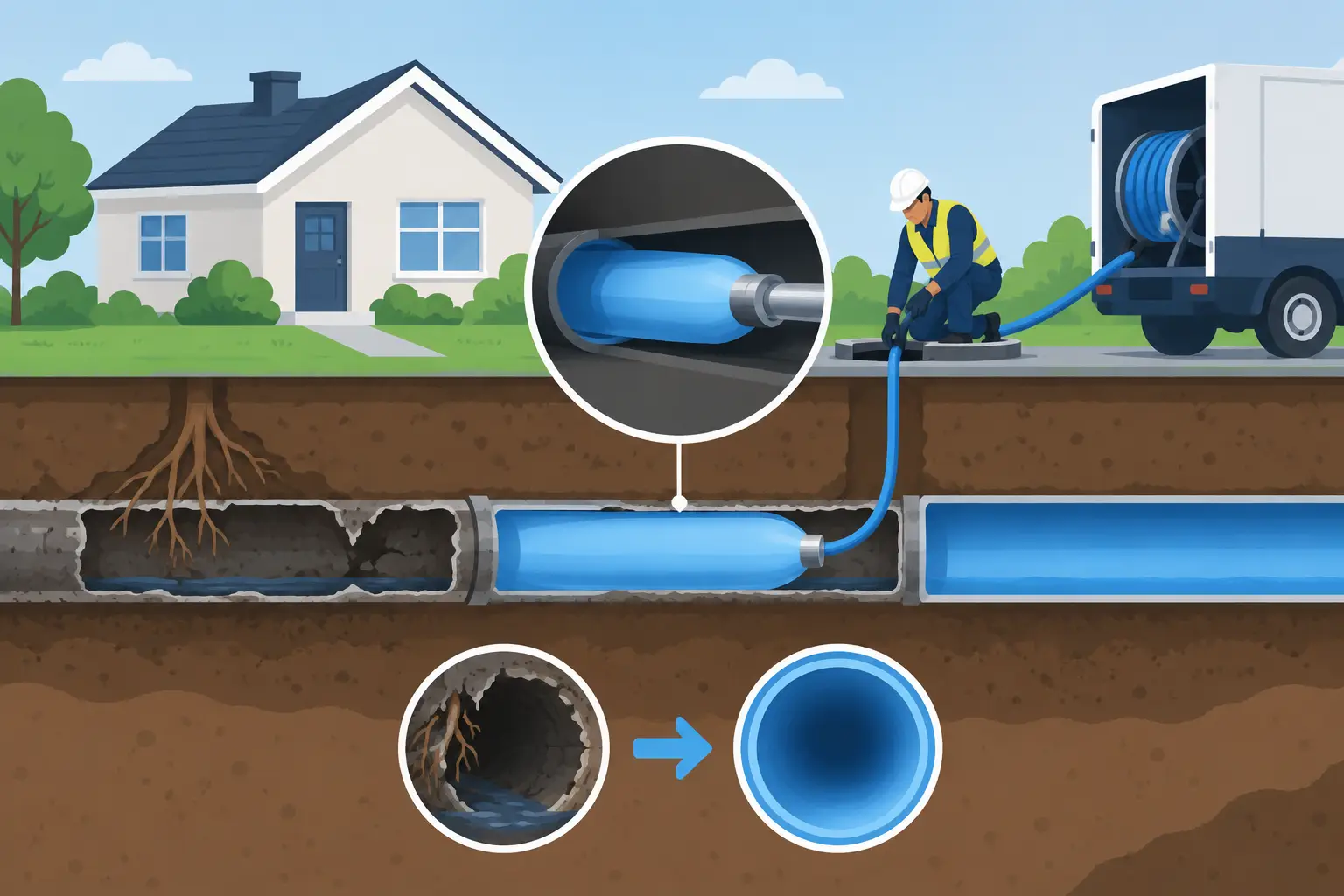
Sewer pipe lining is a trenchless repair method that creates a new, durable pipe inside a damaged existing sewer line. Instead of digging up the full length of the pipe, a plumbing professional accesses the line through an existing cleanout or a small access point, then installs a resin-saturated liner that hardens in place. The result is a smooth, sealed pipe within the old pipe.
For many Central Florida homeowners, that can mean less mess, less disruption, and a faster path back to a working plumbing system. But lining is not a universal fix. The condition, size, slope, and location of your sewer line all matter.
What Is Sewer Pipe Lining and How Does It Work?
Sewer pipe lining is also commonly called cured-in-place pipe lining, or CIPP. It is designed to repair cracks, corrosion, joint separations, root intrusion damage, and certain leaks in an underground sewer line without replacing the entire pipe through traditional excavation.
The process starts with a sewer camera inspection. A technician sends a small camera through the drain line to identify the exact problem and determine whether the existing pipe can support a liner. This step matters because a recurring backup does not always mean the sewer line is broken. It could be a heavy blockage, roots, grease buildup, or another drain issue that can be resolved with cleaning.
If lining is a good fit, the line is thoroughly cleaned, often with hydro jetting or specialized drain-cleaning equipment. The technician then prepares a flexible liner saturated with epoxy resin and inserts it into the damaged pipe. An inflatable bladder or calibration tube holds the liner tightly against the inside wall of the existing pipe while the resin cures.
Once cured, the bladder is removed, leaving a new pipe-like surface inside the old one. Any branch connections that were covered during installation are reopened using specialized cutting equipment. A final camera inspection helps confirm that the repaired line is open, sealed, and flowing correctly.
Why Homeowners Consider Trenchless Sewer Lining
The biggest advantage of pipe lining is avoiding the widespread digging associated with conventional sewer replacement. A sewer line may run beneath landscaping, mature trees, patios, walkways, driveways, or sections of the home itself. Excavating to reach it can add considerable restoration work beyond the plumbing repair.
Because pipe lining typically uses existing access points, it can preserve much of the property around the sewer line. That is especially appealing for homeowners who have invested in hardscaping, landscaping, or outdoor living areas.
A properly installed liner also creates a smooth interior surface that can improve flow through an older pipe. The cured material seals many cracks and gaps where roots might otherwise enter. In Florida, where roots can grow aggressively and heavy rain can expose weaknesses in aging underground piping, that added protection can be valuable.
Pipe lining can also reduce the time a property is disrupted. The actual timeline depends on the length of the repair, the pipe condition, access, and whether cleaning or additional work is needed first. Still, a trenchless repair may be completed more quickly than a project that requires extensive excavation and property restoration.
When Sewer Pipe Lining Is a Good Option
Pipe lining is often worth considering when the existing sewer pipe is still structurally stable enough to act as a host for the new liner. It can be a strong solution for localized cracking, deteriorated joints, minor offsets, root intrusion, and corrosion-related damage.
It may also make sense when the damaged section is difficult to reach. For example, a pipe beneath a driveway or landscaped yard could be a practical candidate for trenchless repair if the inspection shows the line has not collapsed.
Older homes can benefit as well. Some older sewer materials are more likely to develop cracks, rough interior surfaces, or joint failures over time. Lining can rehabilitate portions of those lines without requiring the entire route to be opened up.
The key word is portions. A professional camera inspection should show exactly where the problem is and whether lining will solve the underlying cause. A reputable plumber should explain what the camera revealed, what repair options are available, and why one approach makes more sense for your home.
When Pipe Lining May Not Be the Right Repair
Trenchless does not automatically mean better. If a sewer pipe has collapsed, is badly crushed, has severe bellies that hold water, or has substantial misalignment, a liner may not be enough. In those cases, excavation and pipe replacement may be the more reliable long-term answer.
Pipe lining also slightly reduces the interior diameter of the original pipe because the new material sits inside it. That reduction is usually minimal, but it can be a factor in smaller pipes or lines that already have capacity concerns.
A line with major slope problems deserves careful evaluation, too. Sewer pipes rely on proper gravity flow. A liner can seal a damaged pipe, but it cannot correct every installation issue beneath the ground. If the pipe has settled significantly or was installed with improper pitch, replacement may be necessary to restore dependable drainage.
This is why low-cost, one-size-fits-all recommendations should raise questions. The goal is not simply to avoid digging. The goal is to make the repair that prevents repeat backups, protects your property, and gives you confidence in the system.
What Affects the Cost of Sewer Pipe Lining?
The cost of sewer pipe lining varies widely because no two sewer lines are exactly alike. The length and diameter of the damaged section are major factors, as are the number of branch connections that need to be reopened after curing.
Access also affects the scope of work. A clear, accessible cleanout generally makes the project more straightforward than a line that requires extra preparation or difficult entry points. Heavy root growth, scale buildup, or a major blockage can require extensive cleaning before a liner can be installed.
Traditional replacement may have a lower plumbing-material cost in some cases, but excavation can introduce other expenses. Removing and replacing concrete, repairing landscaping, restoring pavers, or working around structures can all change the total project cost. That is why homeowners should compare the full scope of each option, not just the initial repair number.
If a major sewer repair is recommended, ask for a clear explanation of what is included: inspection, cleaning, permits when required, the repair method, restoration responsibilities, warranty information, and any potential conditions that could change the price. Clear expectations help prevent unwelcome surprises.
Signs You Should Schedule a Sewer Line Inspection
A single clogged sink does not necessarily point to a sewer line problem. However, several drains backing up at once, toilets gurgling when water is used elsewhere, sewage appearing in a tub or shower, and repeated drain clogs are all reasons to have the main sewer line checked.
Pay attention to changes outside, too. Persistent soggy spots, unusually green patches of grass, foul odors near the yard, or unexplained pest activity can sometimes signal a damaged underground sewer line. These symptoms do not confirm the cause on their own, but they should not be ignored.
Fast action matters when sewage is involved. Wastewater can damage flooring, walls, and personal belongings, while creating sanitation concerns inside the home. A camera inspection gives you facts before you commit to a repair approach.
For homeowners in Tampa and surrounding Central Florida communities, ACS Home Services can evaluate sewer concerns, explain whether pipe lining is appropriate, and provide clear recommendations based on the condition of your line. Same-day service availability can be especially helpful when backups are disrupting your home.
A sewer line repair is not the project anyone plans for, but the right inspection can replace uncertainty with a practical next step. Whether your line can be lined or needs replacement, choosing a repair based on real evidence protects your home, your property, and your peace of mind.