

Hidden water leaks in Tampa homes usually announce themselves quietly, through a higher water bill, a musty odor, or a soft spot in the drywall. Most homeowners can confirm a leak in under two hours with a simple water meter test and a careful walk through the house. When the problem is behind a wall or under the slab, a licensed plumber with leak detection equipment can find the exact spot without guesswork or unnecessary demolition.
Why Hidden Leaks Hit Tampa Homes So Hard
A small drip that would dry out in a desert climate tends to linger here. Tampa’s year-round humidity keeps moisture trapped inside walls and under flooring, which gives mold a head start long before you see a stain.
Many homes in the Tampa Bay area also sit on concrete slab foundations, so water lines run underneath the house instead of through a crawl space. A leak down there can go unnoticed for months. Older neighborhoods add another layer of risk because aging copper and galvanized pipes are more prone to pinhole leaks and corrosion.
The waste adds up fast. According to the EPA’s WaterSense program, household leaks can waste nearly 10,000 gallons of water a year in the average home, and roughly one in ten homes has leaks wasting 90 gallons or more every day.
Warning Signs of a Hidden Water Leak
Your house will usually give you clues before a leak turns into a major repair. Pay attention if you notice any of the following:
- A water bill that keeps climbing even though your habits haven’t changed
- A musty or earthy smell in one room, closet, or cabinet
- Peeling paint, bubbling wallpaper, or stains on drywall or ceilings
- Warped baseboards, loose tiles, or flooring that feels soft underfoot
- The sound of running or hissing water when every fixture is off
- Low water pressure that shows up suddenly at several fixtures
One sign on its own might have another explanation. Two or more at the same time is a strong reason to start testing.
How to Use Your Water Meter to Confirm a Leak
The water meter test is the most reliable first step because it tells you whether water is moving through your system when nothing should be running. Your meter is usually in a covered box near the street or along the edge of your property.
- Turn off every faucet, shower, washing machine, dishwasher, and irrigation zone in the house.
- Make sure your ice maker and any water softener aren’t in the middle of a cycle.
- Open the meter lid and write down the reading, or snap a photo of the dial.
- Check the leak indicator, which is often a small triangle or star that spins when any water flows.
- Wait two hours without using any water at all.
- Read the meter again and compare it to your first number.
If the reading moved or the leak indicator was spinning, water is escaping somewhere. Next, shut off the main valve to your house and watch the meter again. If it stops, the leak is inside the home. If it keeps moving, the problem is likely in the service line between the meter and your house.
Where to Look Room by Room
Once you know a leak exists, narrowing down the location saves time and money. Start with the spots where pipes and fixtures are most likely to fail.
Kitchens and Bathrooms
Look under every sink with a flashlight. Feel the supply lines and drain connections for moisture, and check the cabinet floor for warping or dark spots.
- Inspect the caulk and grout around tubs and showers for gaps or crumbling
- Rock each toilet gently to see if the base feels loose or the floor feels soft
- Pull the dishwasher kick plate and look underneath for pooled water
- Check the refrigerator water line, especially where it connects behind the unit
Water Heater and AC System
Your water heater is a common leak source, particularly once it’s past ten years old. Look for rust around the base, moisture near the temperature and pressure relief valve, and any dripping from the connections on top.
In Tampa, the air conditioner deserves a look too. A clogged AC condensate line can overflow the drain pan and send water into ceilings, closets, or attic insulation, which often looks just like a plumbing leak.
Outdoors and Irrigation
Sprinkler systems run underground and are easy to forget. A cracked line or a broken head can waste a surprising amount of water between watering days.
- Walk the yard for soggy patches or grass that is greener than the area around it
- Check hose bibs for drips, especially after a cold snap
- Look for water pooling near the foundation when it hasn’t rained
- Run each irrigation zone and watch for heads that bubble, spray sideways, or don’t pop up
Try the Toilet Dye Test
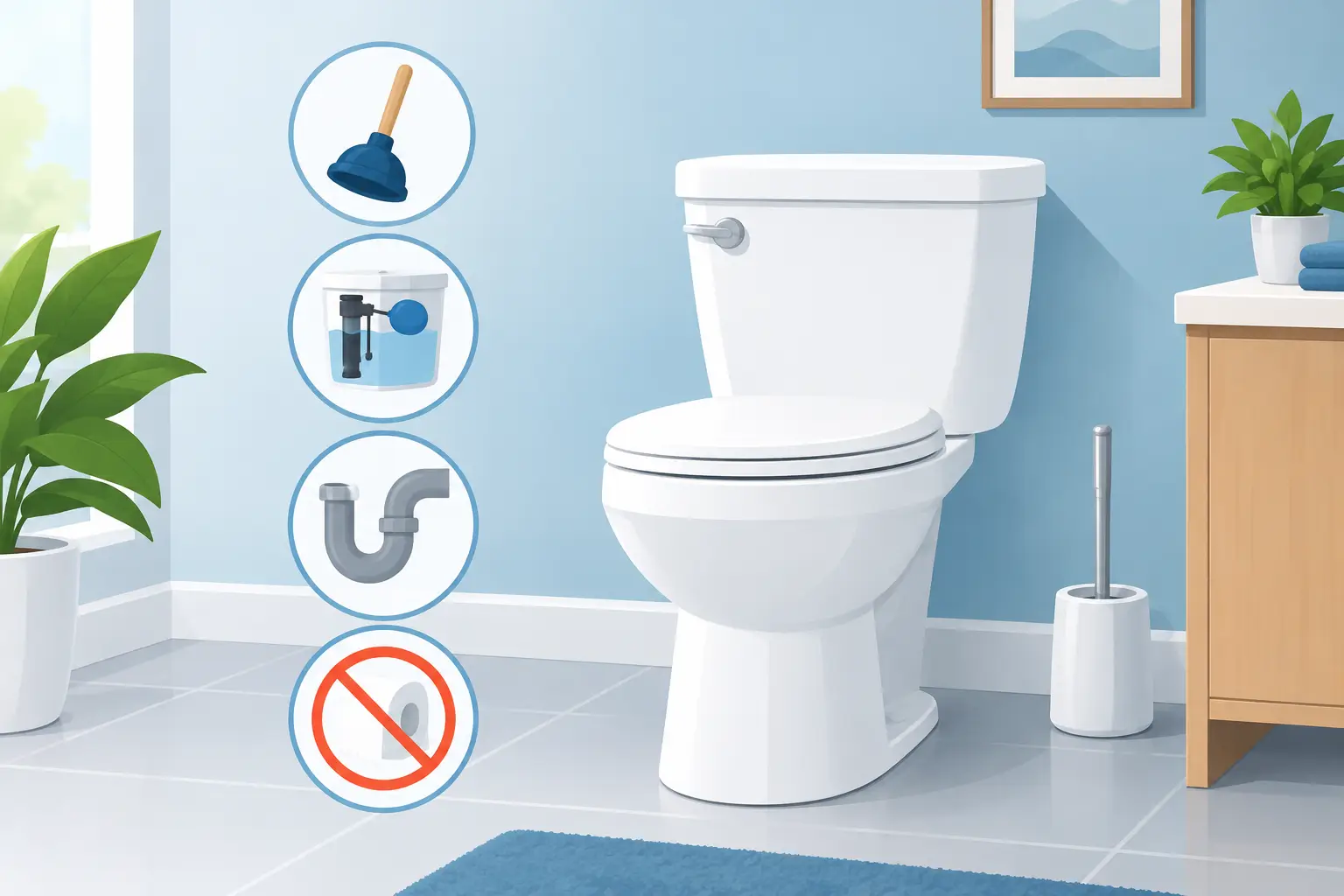
Toilets are among the most common sources of silent leaks because a worn flapper lets water trickle into the bowl all day long. You often won’t hear it at all.
To test, add a few drops of food coloring to the tank and wait about 15 minutes without flushing. If color shows up in the bowl, the flapper or fill valve needs attention. This is an inexpensive repair that can make a noticeable difference on your next bill.
Signs of a Slab Leak
A slab leak happens when a water line under your concrete foundation cracks or corrodes. These leaks are hard to spot, and they can damage flooring and the foundation itself if they’re left alone.
- Warm spots on tile or wood floors, which point to a hot water line leak
- New cracks in flooring, baseboards, or interior walls
- Damp carpet or a mildew smell with no obvious source
- A water heater that runs constantly even when no one is using hot water
If your meter test shows a leak inside the home and you can’t find it at any fixture, a slab leak becomes a real possibility. This is the point where professional equipment makes a big difference.
What to Do Right Away if You Find a Leak
Acting quickly limits damage and keeps repair costs lower. Here are the first steps to take:
- Shut off the main water valve if water is actively spreading
- Turn off power to any outlets or appliances near wet areas
- Move furniture, rugs, and valuables away from the affected spot
- Take photos of the damage for your records and any insurance claim
For water coming through a ceiling, a burst pipe, or a leak you can’t control, call for emergency plumbing in Tampa rather than waiting for business hours. Standing water in Florida heat can lead to mold growth within a day or two.
When to Call a Professional
Some leaks are easy to find and fix on your own. Others are buried in walls, ceilings, or concrete, and searching blindly can mean cutting holes you didn’t need to cut.
A licensed plumber uses non-invasive leak detection tools to locate the problem precisely. Common methods include:
- Acoustic listening equipment that picks up the sound of water escaping a pipe
- Thermal imaging cameras that reveal temperature differences behind walls and floors
- Pressure testing to isolate which section of the system is losing water
- Sewer and drain cameras for leaks in drain lines below the house
Pinpointing the leak first means the repair is smaller and cleaner. You can learn more about the full range of plumbing services for Tampa homeowners, from leak detection and repiping to water line repair.
Simple Habits That Help Prevent Hidden Leaks
You can’t stop every leak, but a few routine checks will catch most of them early.
- Read your water meter once a month and keep a quick log
- Look under sinks and around toilets every few months
- Replace washing machine hoses every five years or so
- Have the AC condensate line flushed during routine maintenance
- Flush your water heater yearly to reduce sediment and corrosion
- Know where your main shutoff valve is and make sure it turns freely
Get Help Finding That Leak From ACS Home Services
If your meter is moving and you can’t track down the source, our team can help. ACS Home Services has served the Tampa Bay area for more than 30 years with licensed, background-screened technicians and 24/7 emergency service. At ACS, we believe Our People Make the Difference, and it shows in how we treat your home.
Call us at (833) 903-5299 or schedule service online. You can also read what your neighbors say about ACS Home Services and get directions to our team.
FAQ
How can I tell if I have a hidden water leak?
The quickest way is the water meter test. Turn off all water in the house, record the meter reading, and check it again after two hours. If the number changed, water is leaking somewhere in your system.
Can a hidden leak really raise my water bill that much?
Yes. A running toilet or a slab leak can waste hundreds of gallons a day without making any noise. A sudden jump in your bill with no change in usage is one of the most common signs homeowners notice first.
What does a slab leak feel like on the floor?
Many homeowners notice a warm or hot spot on tile or wood flooring, which usually points to a leak in a hot water line. You might also see new cracks, damp carpet, or a musty odor without a visible water source.
Is a musty smell always a sign of a leak?
Not always, since Tampa humidity can cause musty odors on its own. A smell that stays in one spot, such as a closet or under a sink, is worth investigating because it often means moisture is building up behind a surface.
Can my air conditioner cause a leak that looks like a plumbing problem?
It can. A clogged condensate drain line can overflow the drain pan and leave water stains on ceilings or walls near the air handler. Regular AC maintenance includes clearing that line to prevent overflow.
How do plumbers find leaks without tearing out walls?
Plumbers use tools like acoustic listening devices, thermal imaging cameras, and pressure tests to narrow down the exact location. That way, any opening in a wall or floor is small and targeted to the actual leak.
Should I shut off my water if I think I have a leak?
If you see active water spreading or damage getting worse, shut off the main valve right away. For a slow leak you’re still tracking down, you can leave the water on while you test, then call a plumber to confirm the source.
Is a hidden water leak an emergency?
It depends on how fast water is escaping and where it’s going. Water coming through a ceiling, a burst pipe, or a leak near electrical outlets needs immediate attention, while a slow toilet leak can usually wait for a scheduled appointment.