

A summer storm does not have to strike your home directly to damage it. A nearby lightning event, utility switching issue, or power outage followed by restoration can send a voltage spike through your electrical system. This whole house surge protection guide explains how Florida homeowners can reduce the risk to the equipment they rely on every day.
Surge protection is especially worth considering in Tampa Bay and Central Florida, where frequent thunderstorms, lightning activity, and heavy demand on cooling systems put electrical equipment through a lot. It is not a substitute for proper wiring, grounding, or electrical panel maintenance. It is another layer of protection for the systems that keep your home safe and comfortable.
What Whole House Surge Protection Does
A whole-house surge protector, also called a surge protective device or SPD, is installed at or near your main electrical panel. Its job is to detect excess voltage and redirect much of that energy safely to the grounding system before it travels deeper into your home’s circuits.
That matters because a surge can affect far more than a television or computer. Modern homes contain circuit boards and sensitive controls in HVAC equipment, refrigerators, ovens, washers, dryers, garage door openers, security systems, pool equipment, and smart-home devices. A single major surge can cause immediate failure. Smaller surges can quietly wear down electronic components over time, shortening the life of equipment without an obvious event to blame.
No surge protector can promise that every appliance will survive every lightning-related event. A direct lightning strike is extraordinarily powerful. Still, properly installed whole-house protection can significantly reduce the damage caused by common electrical surges, including those created inside the home.
Why Florida Homes Face Added Surge Risk
Lightning is the most familiar concern, but it is not the only source of harmful voltage changes. Florida homeowners can also experience surges from utility grid switching, downed lines, transformer problems, and power returning after an outage. Even large appliances cycling on and off can create smaller disturbances within the home’s electrical system.
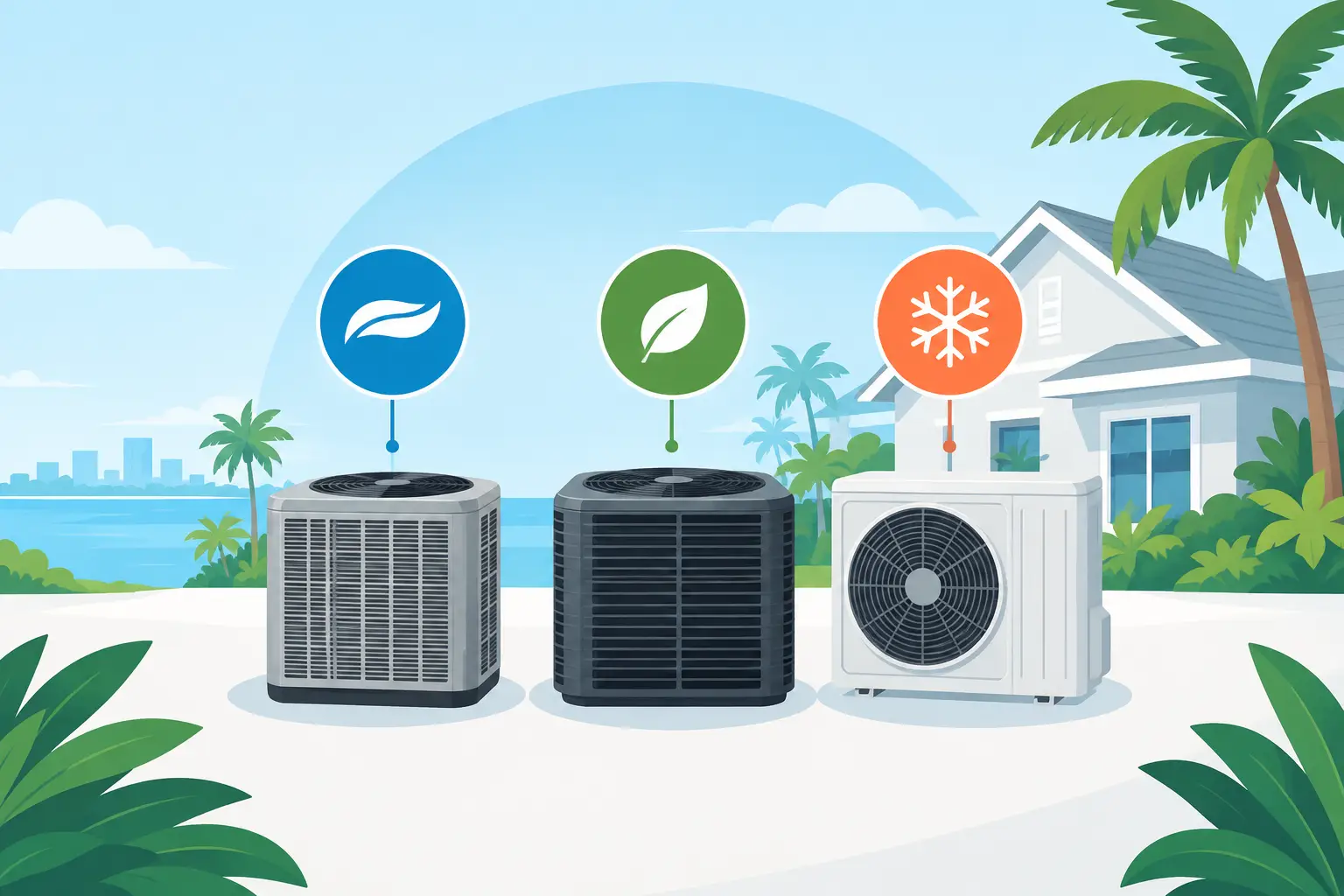
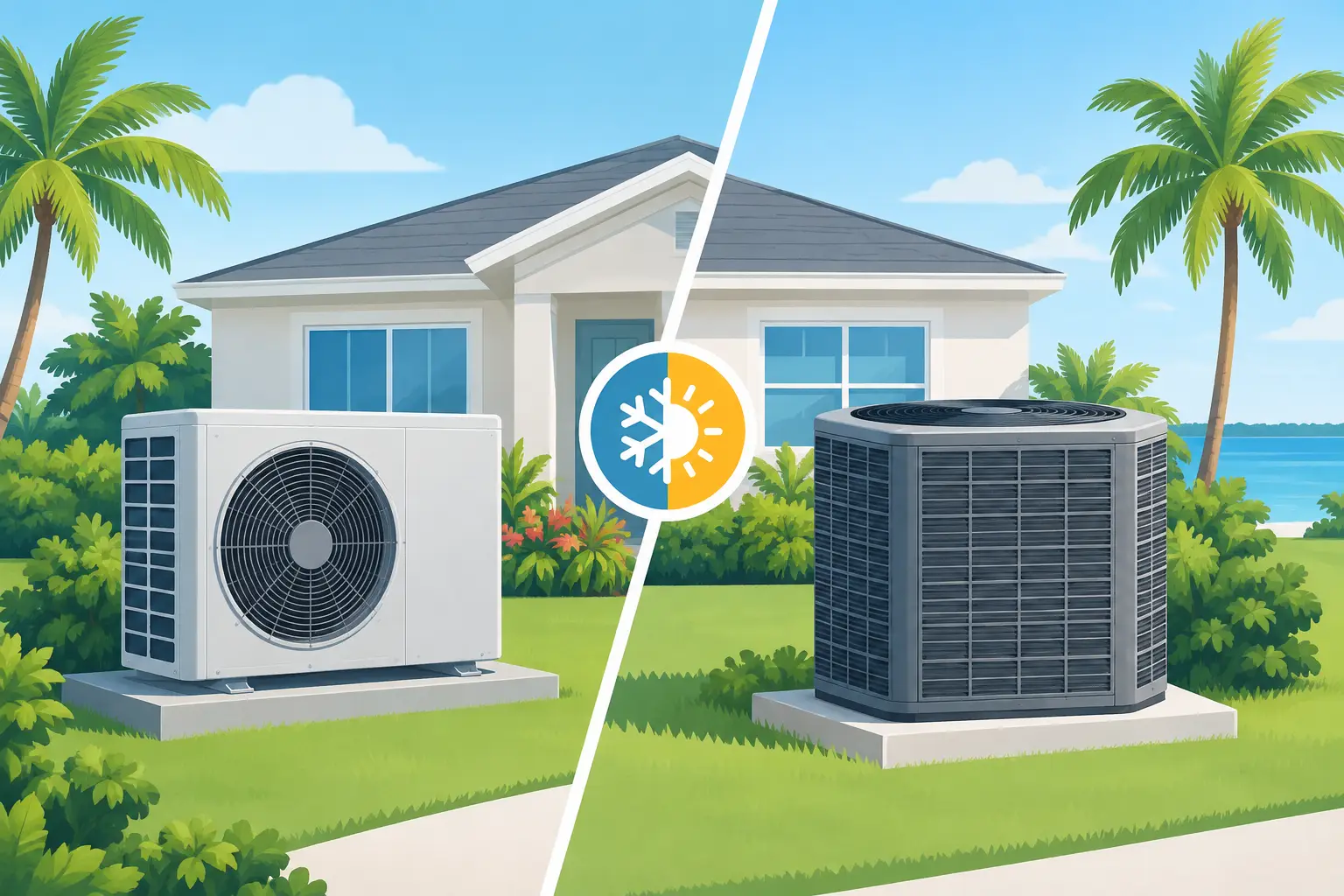
Your air conditioner is a major consideration. During a long Florida cooling season, an AC system’s electrical components work hard. Modern condensers, air handlers, thermostats, and variable-speed equipment often use electronic controls that can be vulnerable to voltage irregularities. Protecting the panel helps, but an electrician may also recommend equipment-specific protection for certain HVAC systems based on the setup and manufacturer requirements.
Homes with generators, solar equipment, pool pumps, EV chargers, or major electrical upgrades deserve an especially careful review. These systems do not automatically create a problem, but they add electrical components that need to be evaluated as part of one coordinated protection plan.
Whole House Surge Protection Guide: The Layers That Matter
The most effective approach is layered protection, not a single device placed somewhere in the home. The first layer is a professionally installed SPD at the electrical panel. This is the primary defense for circuits throughout the house.
The second layer is point-of-use protection for particularly valuable or sensitive electronics. Quality surge strips can still be useful for computers, televisions, networking equipment, and gaming systems. They are not a replacement for panel-level protection, because they only protect devices plugged into them and may not respond as effectively to a large surge entering through the electrical service.
The third layer is proper grounding and bonding. A surge protector needs a sound path to direct excess energy safely. If a home’s grounding system is damaged, incomplete, outdated, or improperly connected, even a high-quality surge protector cannot perform as intended. This is why an electrical inspection is often the right first step, particularly in an older home or one with a history of flickering lights, tripped breakers, or electrical repairs.
Choosing the Right Surge Protector for Your Panel
Whole-house devices are not all interchangeable. A licensed electrician should select an SPD that matches your home’s electrical service and panel configuration. Most Central Florida homes have 120/240-volt service, but panel capacity, available breaker space, wiring condition, and the type of electrical service all affect the installation plan.
Look for a device listed to current safety standards and designed for residential panel use. An electrician will also consider its surge current rating, voltage protection rating, enclosure type, warranty terms, and whether it is installed as a breaker-mounted or externally mounted unit. The technical specifications matter, but correct installation matters just as much.
Short, direct wiring connections help the device react efficiently. Installation location also matters. In some homes, protection at the main panel is sufficient; in others, a subpanel, detached garage, pool equipment panel, or added system may benefit from additional protection. There is no one-size-fits-all answer, which is why a quick panel review can prevent a poorly matched installation.
Signs Your Home Should Be Evaluated
Surge protection is a smart upgrade before a problem occurs, but certain conditions make an electrical evaluation more urgent. Schedule a professional inspection if you notice:
- Electronics that fail unexpectedly or need frequent replacement
- Lights that flicker, dim, or brighten when equipment starts
- Breakers that trip repeatedly without a clear cause
- A recent lightning event, extended outage, or utility disruption
- An older electrical panel, damaged outlets, or uncertain grounding
These signs do not always mean a surge is the cause. Loose connections, overloaded circuits, failing breakers, and wiring problems can produce similar symptoms. A trained electrician can identify the underlying issue instead of simply adding a device and hoping it solves everything.
What Installation Typically Involves
A whole-house surge protection installation usually begins with an assessment of the electrical panel and service. The electrician checks panel condition, available space, grounding and bonding, and whether existing equipment shows signs of overheating, corrosion, or improper work.
If the panel is safe and compatible, the SPD can often be installed efficiently during a scheduled electrical service visit. If the panel is outdated, overloaded, or damaged, a panel repair or upgrade may be recommended first. That is not an upsell for its own sake. Surge protection depends on a dependable electrical foundation.
After installation, the technician should explain the device’s status indicator and what it means. Many SPDs include lights that show whether protection is active. Check these indicators periodically, especially after severe storms or a major power event. Like any protective component, a surge device can wear out after absorbing significant energy and may need replacement.
Common Misconceptions About Surge Protection
One common misunderstanding is that a power strip provides whole-home protection. It does not. A basic power strip may only add outlets, while a surge strip protects only the equipment connected to it. Even a quality surge strip cannot protect hardwired equipment such as your air conditioner, dishwasher, or garage door opener from a surge entering at the panel.
Another misconception is that surge protection is only for lightning. Lightning is a serious threat in Florida, but routine utility events and internally generated surges are more common. Small electrical disturbances can still affect sensitive circuit boards over years of normal use.
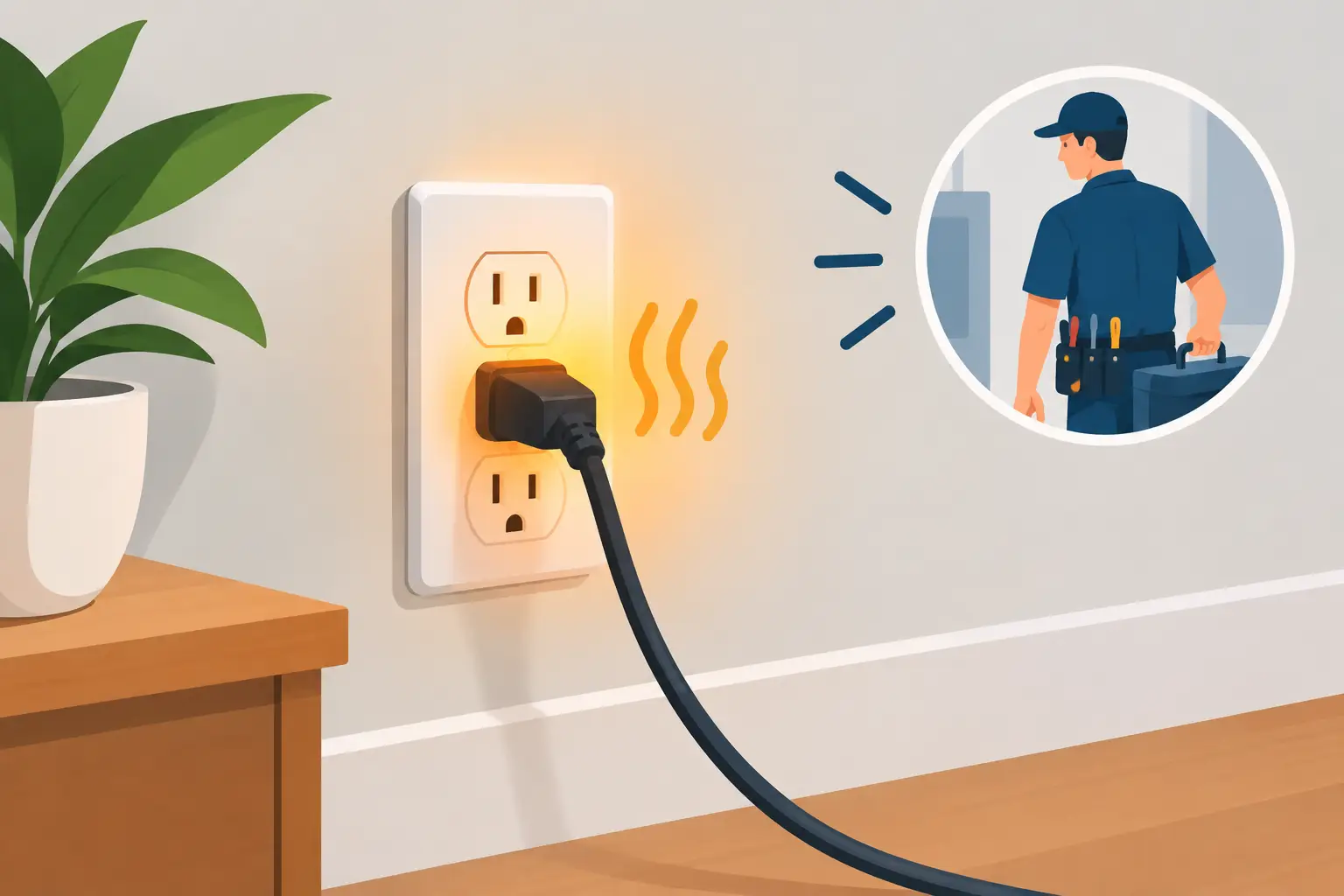
Finally, whole-house protection should not be treated as an excuse to ignore electrical problems. If outlets feel warm, breakers trip, lights flicker, or you smell burning near the panel, contact an electrician promptly. Those are potential safety issues that need diagnosis, not just a surge protector.
Protect the Systems You Depend On
Your home’s electrical panel is the gateway to nearly every comfort and convenience inside it. Adding surge protection is a practical way to help protect expensive electronics and essential equipment, especially in a storm-prone region where your AC system works almost year-round.
ACS Home Services can evaluate your electrical panel, grounding, and surge protection options so you can make a clear decision for your home. A small preventive upgrade today may help spare you from an inconvenient equipment failure when you need your home systems most.