

A new air conditioner is not a purchase most Florida homeowners make casually. When an older system struggles through a Tampa summer, the immediate question is often, “Which AC brands are best?” The more useful question is which system will keep your particular home cool, manage humidity, fit your budget, and be serviceable for years to come.
Brand matters, but it is only one part of a successful AC replacement. The right equipment, proper sizing, quality installation, and dependable ongoing service all work together. A high-end system installed incorrectly can disappoint just as quickly as a basic system that is not sized for the home.
What to Look for When Comparing AC Brands
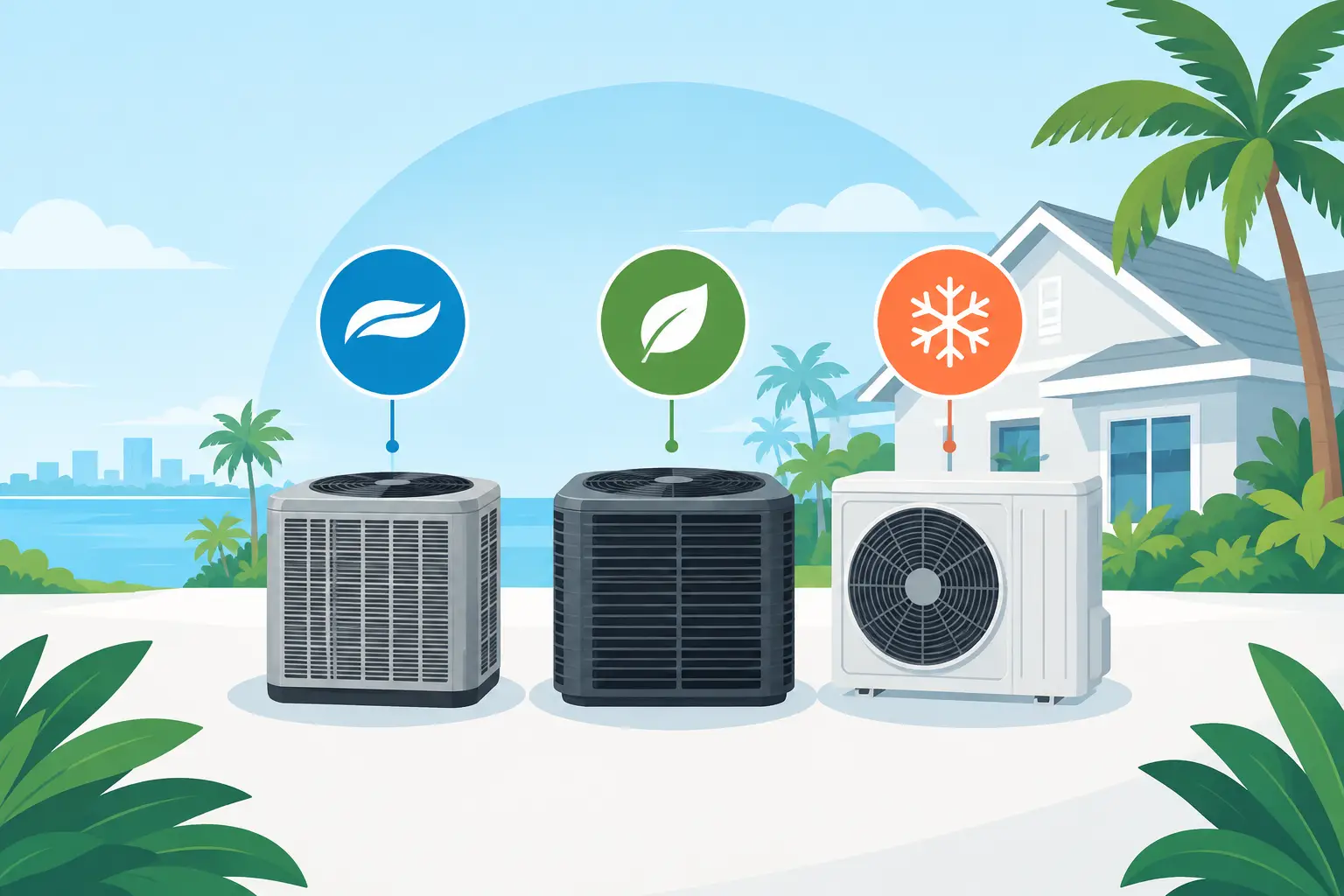
Most major AC brands offer several equipment tiers, from dependable single-stage systems to premium variable-speed units. That means comparing logos alone will not tell you much. Compare the actual model, its features, warranty coverage, and how it fits your home.
Start with cooling performance. In Central Florida, your AC has a bigger job than simply lowering the thermostat setting. It also needs to remove moisture from the air. A system that cools rapidly but does not run long enough may leave rooms feeling clammy, especially during the rainy season. Variable-speed and two-stage systems can often provide steadier temperatures and better humidity control because they can run at lower output for longer periods.
Efficiency is another major consideration. Higher SEER2 ratings generally mean lower energy use, but the highest available rating is not automatically the best value. A premium high-efficiency system can make sense for a long-term homeowner with high cooling costs, but the price difference may be harder to justify in a smaller home or a property that may be sold soon. Your technician should explain the expected operating-cost difference in practical terms, not just point to a rating on a brochure.
Noise level also matters more than many homeowners expect. Condensing units sit outside bedrooms, patios, pool areas, and neighboring homes. If your current unit is loud enough to interrupt conversation outdoors, ask about decibel ratings and low-speed operation. Quieter equipment is especially valuable when the unit is near a living space.
The Brand Is Not the Whole Story
Well-known AC brands can all produce reliable equipment. The better choice often comes down to the specific system line and the support behind it. Even a top-rated manufacturer cannot control how carefully the unit is installed, whether airflow is adjusted correctly, or how quickly a local contractor responds when service is needed.
For Florida homeowners, local parts availability is worth asking about. A system with a strong warranty still creates frustration if a needed part is difficult to obtain during a heat wave. An experienced HVAC provider can help you understand which models are commonly supported in the area and which options make practical sense for future maintenance and repairs.
Warranty terms deserve a close read as well. Many manufacturers advertise long parts warranties, but registration requirements, labor coverage, and exclusions vary. A parts warranty does not always cover diagnostic time, refrigerant, or the labor required to make a repair. Ask for a clear explanation of what is covered, how long coverage lasts, and what steps are required to keep the warranty valid.
Installation quality can also affect warranty eligibility. Manufacturers commonly require correct installation practices, including proper refrigerant charge, electrical connections, drainage, and startup procedures. Choosing a qualified installer protects more than comfort. It helps protect the investment you just made.
Match the System to Your Home, Not Just Your Neighbor’s
Two homes on the same street can need very different AC solutions. Square footage is only a starting point. Window placement, insulation, ceiling height, duct condition, number of occupants, sun exposure, and room additions all affect cooling load.
An oversized AC can cool the home too quickly, turning off before it removes enough humidity. That short cycling can make the home feel less comfortable and create unnecessary wear on equipment. An undersized system may run continuously during peak heat without reaching the desired indoor temperature. Proper sizing should be based on a professional load calculation, not a guess based on the size of your old unit.
Ductwork should be part of the conversation. Leaky, undersized, poorly insulated, or damaged ducts can waste conditioned air and limit the performance of a new system. If certain rooms are consistently warmer than others, replacing the outdoor unit alone may not solve the underlying problem. Depending on the home, duct repairs, additional returns, airflow balancing, or zoning may be a better use of your budget.
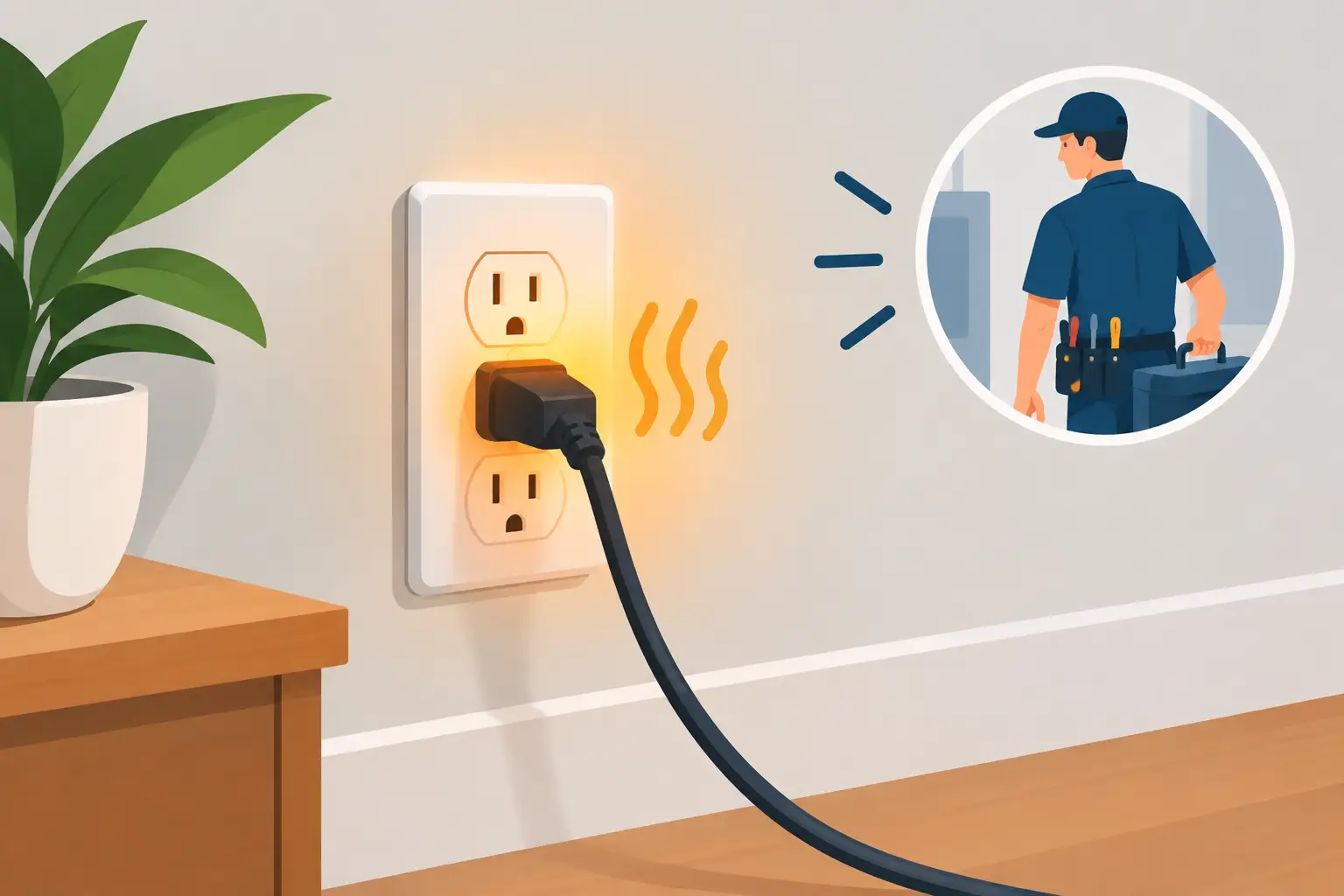
Your electrical system may need attention, too. Some upgrades require changes to breakers, disconnects, or wiring to support the new equipment safely. Working with a company that handles HVAC and electrical services can simplify the process and help prevent delays when a replacement is already urgent.
Choose Features That Solve a Real Comfort Problem
Premium features are worthwhile when they address an actual need in your home. For example, a variable-speed air handler can be a smart choice if indoor humidity is a persistent issue. Better filtration or indoor air quality accessories may help households dealing with dust, allergies, pet dander, or concerns about airborne pollutants.
Smart thermostats offer convenience and can help manage energy use, but they are not a cure for equipment or duct problems. If the thermostat is constantly adjusted because one side of the house is too warm, the solution may involve airflow, insulation, or system design rather than a new control on the wall.
For many homeowners, the best balance is a dependable mid-tier system with solid efficiency, a strong manufacturer warranty, and professional installation. Others may benefit from advanced comfort features, particularly in larger homes, multistory homes, or households where humidity control and quiet operation are priorities. There is no single best answer for every Florida home.
Questions to Ask Before You Select an AC Brand
Before approving an estimate, ask what size system is recommended and how that size was determined. Ask whether the proposal includes any needed ductwork, drain-line work, electrical updates, permits, thermostat replacement, and removal of the old equipment. A lower initial quote may not be a better value if important work has been left out.
You should also ask about projected energy use, maintenance recommendations, warranty registration, and typical service needs for the model under consideration. If you are comparing multiple options, request an apples-to-apples explanation of what changes between them. Is the higher price paying for efficiency, humidity control, quieter operation, longer coverage, or simply a different equipment tier?
Financing can make a higher-quality replacement more manageable, but monthly payment should not be the only deciding factor. Review the total project cost, available terms, and what is included in the installation. A clear proposal gives you the confidence to decide without surprises later.
Plan for Maintenance After Installation
No AC brand is maintenance-free in Florida. Long cooling seasons, high humidity, salt air in coastal communities, and frequent storms all put equipment to work. Routine maintenance helps keep the system efficient, supports warranty compliance, and gives technicians a chance to catch small issues before they become an emergency repair.
Homeowners can help by changing filters on schedule, keeping the outdoor unit clear of leaves and debris, and watching for warning signs such as reduced airflow, water near the air handler, unusual sounds, warm air, or rising electric bills. If the system stops cooling during extreme heat, prompt professional service matters. Waiting can turn a minor electrical, drainage, or refrigerant issue into a more involved repair.
ACS Home Services can help homeowners compare equipment options, evaluate the full system around the unit, and make a replacement decision based on comfort and long-term value. Same-day availability and 24/7 emergency AC repair are especially helpful when a breakdown cannot wait.
The best time to compare AC options is before your system fails on the hottest afternoon of the year. A professional evaluation now gives you time to ask better questions, weigh your choices, and choose an AC system that keeps your home comfortable when Florida heat is at its worst.