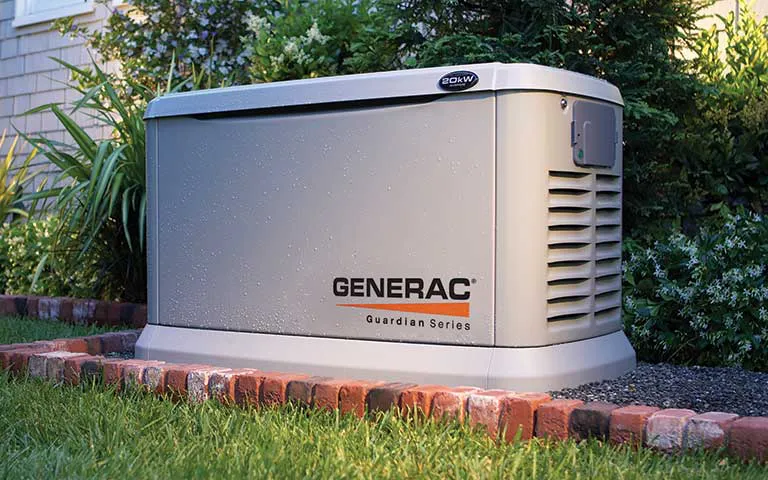


Generac generator systems are a strong fit for Tampa homes because they start on their own within seconds of an outage, run on natural gas or propane, and can power anything from a few key circuits to the entire house. For homeowners dealing with hurricane season, summer storms and Florida heat, a properly sized and professionally installed standby unit keeps the AC, refrigerator and medical equipment running when the grid goes down.
Power Outages Are Part of Life in Tampa
Tampa Bay sees more than its share of severe weather. Atlantic hurricane season runs from June 1 through November 30, and afternoon thunderstorms roll through almost daily during the summer. Lightning, falling limbs and flooding can all knock out power, sometimes for hours and sometimes for days.
The 2024 storm season was a hard reminder for many local families. Some neighborhoods waited well over a week for service to return. If you’ve ever sat in a dark, 90 degree house listening to your neighbor’s generator hum, you already understand why so many homeowners are asking about backup power.
The federal Ready.gov guide to power outages recommends planning ahead for medical devices, food storage and safe alternative power sources. A permanent standby generator checks most of those boxes at once.
What Makes a Generac Generator Different?
Generac is one of the most widely installed brands of home standby generators in the country. That popularity matters more than it might seem, since it means replacement parts are easy to find and trained technicians are familiar with the equipment.
A standby unit sits outside your home on a pad, much like an AC condenser. It connects to your electrical panel and your home’s fuel supply, so there’s nothing to drag out of the garage or refill during a storm.
Automatic Start With a Transfer Switch
Every standby system works with an automatic transfer switch. When utility power drops, the switch senses the loss, starts the generator and moves your home’s electrical load over to it. Most homeowners notice the lights flicker and come right back.
Once grid power returns and stabilizes, the switch shifts everything back and the generator shuts itself down. You don’t have to step outside in the rain to make any of it happen.
Features Tampa Homeowners Appreciate
- Weekly self-test cycles run the engine briefly so problems show up on a calm day instead of during a storm.
- Remote monitoring through a smartphone app lets you check status and maintenance alerts while you’re away.
- Weather-resistant enclosures are built to sit outdoors year round in heat, humidity and rain.
- Quieter operation compared with most portable units, which your neighbors will appreciate at 2 a.m.
Standby vs. Portable Generators
Portable generators cost less up front, but they come with real tradeoffs. They need gasoline, which is often hard to find after a hurricane, and they have to be started, refueled and connected by hand.
Safety is another big concern. The CDC’s carbon monoxide resources point out that portable generators used too close to a home are a leading cause of CO poisoning after storms. A standby system is installed at a set distance from doors and windows, which removes a lot of that guesswork.
- Fuel supply: Standby units draw from natural gas lines or a large propane tank, while portables depend on stored gasoline.
- Startup: A standby generator turns on automatically, and a portable one needs you to pull a cord or press a button.
- Coverage: Standby systems can run central AC and whole-home loads that most portables can’t handle.
- Home value: A permanent generator is often viewed as an upgrade by Florida buyers.
Choosing the Right Size for Your Home
Generator capacity is measured in kilowatts (kW). The size you need depends on what you want running during an outage, and in Tampa the biggest load is almost always the air conditioner.
A smaller unit might cover your refrigerator, lights, a few outlets and your Wi-Fi. A larger whole-home model can run central air, your water heater, kitchen appliances and pool equipment at the same time.
Questions We Ask During a Sizing Visit
- How large is your home, and how many AC systems does it have?
- Do you have an electric water heater, range or dryer?
- Does anyone in the household rely on medical equipment?
- Is natural gas available at your property, or will propane be needed?
- Do you work from home or need to keep a home office running?
- Would you rather power the whole house or just essential circuits?
An undersized generator can overload and shut down right when you need it. An oversized one costs more than necessary. A professional load calculation is the best way to get it right.
Fuel Options for Tampa Homes
Generac standby units can run on either natural gas or liquid propane (LP). Many Tampa neighborhoods have natural gas service, which gives you a continuous supply without refilling anything.
If your home doesn’t have a gas line, a buried or above-ground propane tank works well. Tank size determines how many days of runtime you’ll get, so it’s worth planning around a long outage. Since ACS also handles gas line installation, we can coordinate the fuel connection along with the electrical work.
Why Professional Installation Matters
A standby generator touches your electrical panel, your fuel system and local building codes all at once. Installation typically requires permits, a properly leveled pad, correct clearances and inspection before the unit can be put into service.
- Licensed electricians wire the transfer switch so power never backfeeds into utility lines.
- Correct placement keeps exhaust away from windows, doors and air intakes.
- Permits and inspections protect your homeowner’s insurance and resale value.
- Proper startup and testing confirm everything works before storm season.
Our team at ACS Home Services handles the full process for generator installation in Tampa, from the first sizing visit through permits, fuel hookup and final testing.
Keeping Your Generator Ready
Even the best equipment needs care. Salt air, heat and long idle periods can all take a toll on an engine that might sit for months between outages.
Annual maintenance usually includes an oil and filter change, a battery check, spark plug inspection and a review of the transfer switch. Scheduling service before June 1 gives you peace of mind heading into hurricane season. You can track storm forecasts through the National Hurricane Center and know your generator is already prepared.
Get Reliable Backup Power for Your Tampa Home
At ACS Home Services, our people make the difference. Our licensed, background-screened technicians have helped Central Florida families stay comfortable for more than 30 years, and we’re ready to help you pick and install the right Generac generator for your home.
Call us at (833) 903-5299 or request a generator estimate online to get started. You can also read reviews and find directions on the ACS Home Services Google profile before your visit.
FAQ
How long can a Generac generator run during an outage?
On natural gas, a standby generator can run as long as the gas supply holds, which is often for days. Propane runtime depends on your tank size and how much load the house is pulling, so we help you plan for the length of outage you want to cover.
Will a Generac generator run my central air conditioner?
Yes, as long as the unit is sized for it. Air conditioning is the biggest load in most Tampa homes, so we factor in your AC tonnage and startup demand during the sizing visit.
How loud is a home standby generator?
Most residential standby units are noticeably quieter than portable generators, especially during their weekly self-test. Sound levels vary by model and size, and proper placement helps keep noise away from bedrooms and neighbors.
Do I need a permit to install a generator in Tampa?
In most cases, yes. Standby generator installations usually require electrical and sometimes gas permits plus an inspection, and our team takes care of that paperwork for you.
Where will the generator be placed on my property?
It sits outside on a level pad, typically near your gas meter or electrical panel. Local codes set minimum distances from windows, doors and property lines to keep exhaust safely away from living spaces.
How often does a standby generator need maintenance?
Plan on professional maintenance at least once a year, ideally before hurricane season. Units that run for long stretches during an outage may need an oil change sooner.
Can I power only part of my home to save money?
Yes. A smaller generator paired with a transfer switch for essential circuits is a popular choice, and it can still cover the refrigerator, lights, outlets and sometimes a single AC system.
How long does generator installation take?
The physical installation often takes a day or two once permits are approved. Overall timing depends on permit processing, fuel line work and equipment availability, so it’s smart to start before storm season gets busy.