

If your heat pump runs almost year-round in Central Florida, maintenance is not a nice extra – it is part of keeping your home comfortable, your energy bills reasonable, and your system from failing when you need it most. This guide to heat pump maintenance is built for homeowners who want clear, practical advice without the guesswork.
A heat pump does double duty. It cools your home in long, humid summers and provides heat during cooler stretches, which means it sees more wear than many homeowners realize. In Florida, that workload gets even heavier because salt air, high humidity, pollen, grass clippings, and frequent storms all add stress to outdoor equipment.
Why heat pump maintenance matters in Florida
When a heat pump is neglected, the first sign is not always a total breakdown. More often, it starts with weaker airflow, rooms that never seem to get comfortable, longer run times, or a power bill that creeps up month after month. Those smaller issues can point to restricted airflow, dirty coils, low refrigerant, electrical wear, or drainage problems.
Florida homes also deal with moisture in ways that homeowners in drier climates may not. A clogged condensate drain can lead to water damage, mold concerns, or a system shutdown. Dirty coils can reduce efficiency fast in humid conditions. And if vegetation grows too close to the outdoor unit, the system may struggle to release heat properly.
Regular maintenance helps catch these problems early. It also gives you a better chance of avoiding emergency repairs during peak heat, when HVAC systems are under the most strain and appointment demand is high.
Your guide to heat pump maintenance at home
There is a lot a homeowner can do to support system performance, but there is also a clear line between basic upkeep and professional HVAC service. A good maintenance routine protects your equipment without putting you at risk or causing accidental damage.
Change or check the air filter regularly
If there is one task that makes the biggest difference, it is filter care. A dirty filter restricts airflow, forces your system to work harder, and can contribute to coil problems and comfort issues. In many Florida homes, checking the filter every month is a smart baseline, especially if you have pets, a larger household, recent renovation dust, or anyone sensitive to indoor air quality.
Some filters need replacement monthly, while others can last longer. It depends on the filter type, the system, and your home environment. Waiting until the filter looks completely packed with dust is usually too late.
Keep the outdoor unit clear
Your outdoor heat pump needs breathing room. Leaves, weeds, mulch, branches, and lawn debris can reduce airflow around the unit and hurt performance. Keep at least a couple of feet of clearance around it, and be careful when mowing or trimming nearby. Grass clippings and dirt thrown into the fins can build up quickly.
After a storm, take a quick look outside. Palm fronds, branches, and windblown debris can block airflow or damage the cabinet. If anything looks bent, loose, or impacted, it is worth getting it checked.
Gently clean around the cabinet and coils
Homeowners can lightly rinse the outside of the unit with a garden hose to remove surface dirt, but pressure washers are a bad idea. The fins are delicate and can bend easily, which restricts airflow. If the coils look heavily coated or the unit has deeper buildup, that moves into professional cleaning territory.
Indoors, keep supply and return vents open and unobstructed. Closing too many vents can affect airflow and system balance. Furniture, rugs, and curtains should not block registers.
Watch the thermostat and system behavior
Sometimes maintenance starts with paying attention. If your heat pump starts short cycling, struggles to hold the set temperature, makes new noises, or runs constantly, do not ignore it. A thermostat issue can be simple, but the same symptoms can also point to refrigerant issues, sensor problems, airflow restrictions, or electrical wear.
This is especially true if you notice the system switching modes oddly, blowing lukewarm air when it should be cooling, or entering defrost mode too often in cooler weather.
Seasonal heat pump maintenance that makes sense
In Florida, heat pump care is less about one heating season and one cooling season and more about staying ahead of nearly continuous use. A practical approach is to check basic items monthly and schedule professional service at least once or twice a year, depending on system age, usage, and performance history.
Before the hottest part of the year, it helps to make sure the filter is clean, the outdoor unit is clear, and the drain line is flowing properly. If the system is older or has had repairs before, spring maintenance is a smart time to have it inspected before summer demand ramps up.
In the fall, another checkup can help prepare the system for cooler nights and continued year-round operation. Heat pumps do not get a true off-season here, so small issues have fewer opportunities to sit unnoticed.
What professional heat pump maintenance should include
A true maintenance visit is more than a quick filter glance. A trained technician should inspect the system as a whole and look for wear, safety concerns, efficiency losses, and signs that a repair may be approaching.
That typically includes checking refrigerant levels and operating pressures, cleaning indoor and outdoor coils as needed, inspecting electrical components and connections, testing capacitors and contactors, evaluating the blower assembly, clearing the condensate drain, checking temperature split and airflow, and confirming thermostat operation. The technician should also look for signs of corrosion, vibration, and component wear.
For Florida homeowners, drain line service matters more than many people expect. Algae and sludge buildup can trigger overflow shutoffs or water damage. Drain issues are common, preventable, and worth taking seriously.
Professional maintenance also gives you a better read on equipment life. Not every aging heat pump needs replacement right away, but recurring repairs, reduced efficiency, and inconsistent comfort can shift the math over time.
Signs your heat pump needs service sooner
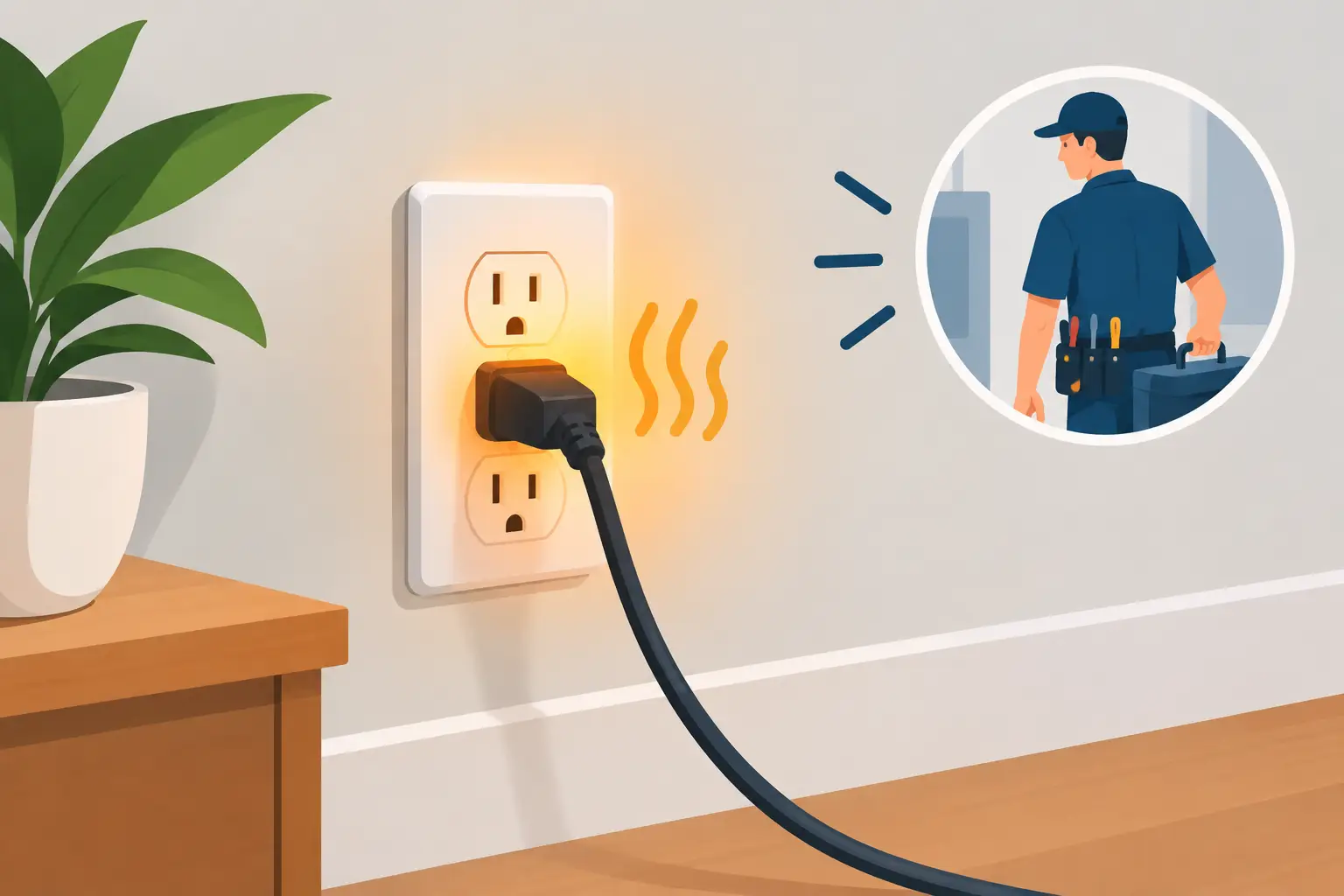
Even with regular upkeep, some problems should not wait for your next tune-up. If your system is blowing warm air in cooling mode, making grinding or buzzing noises, tripping breakers, leaking water indoors, freezing up, or causing a sudden spike in electric bills, it is time to schedule service.
There are also gray-area signs that homeowners sometimes put off for too long. Maybe the house feels sticky even when it is cool, one room is always warmer than the rest, or the system seems to run all afternoon without catching up. Those issues may not feel urgent, but they often point to problems that get more expensive if left alone.
Maintenance, repairs, and replacement – knowing the difference
A good guide to heat pump maintenance should also be honest about limits. Maintenance is meant to prevent avoidable wear and catch issues early, but it will not reverse major component failure or make an outdated system perform like new.
If your heat pump is relatively new and generally reliable, routine maintenance usually offers strong value. If the system is older and needs frequent repairs, maintenance is still important, but the conversation may start to include replacement planning. That is not a one-size-fits-all decision. Age, energy bills, repair history, comfort problems, and your long-term plans for the home all matter.
For many homeowners, the real benefit of maintenance is clarity. You get a better sense of what condition the system is in, what can wait, and what should be handled before it turns into an emergency.
The case for ongoing maintenance plans
For busy households, remembering filters, seasonal checkups, and drain care can fall off the list fast. That is one reason many homeowners choose an ongoing maintenance plan. It simplifies scheduling, keeps service more consistent, and helps reduce the chance of surprise breakdowns.
For a system that works this hard in Florida, consistency matters. The longer maintenance gets delayed, the more likely you are to pay for it through higher operating costs, reduced comfort, or a repair call during the hottest week of the year.
If you want dependable comfort without micromanaging your HVAC system, professional service support can make life a lot easier. ACS Home Services helps Central Florida homeowners stay ahead of heat pump problems with thorough maintenance and responsive service when issues come up. A well-maintained system does not just run better – it gives you one less thing to worry about when the weather is doing its worst.