

Disposable or washable furnace filter options each have advantages, but disposable filters are usually the better choice for homeowners who prioritize dependable filtration, convenience, and easy maintenance. Washable filters can reduce replacement waste, though they require careful cleaning and may not capture smaller airborne particles as effectively.
Your furnace filter affects more than indoor air quality. It also protects HVAC components from dust and debris while helping air move through the system. Choosing the wrong filter, neglecting maintenance, or reinstalling a washable filter before it dries can contribute to poor airflow and heating problems.
What Does a Furnace Filter Do?
A furnace filter traps particles before they enter the HVAC system or circulate throughout your home. Although it is commonly called a furnace filter, the same filter may serve both the heating and cooling sides of a central HVAC system.
A clean, properly selected filter can help:
- Reduce the amount of dust circulating through the home
- Protect the blower motor and other HVAC components
- Maintain consistent airflow through the system
- Limit the buildup of pet hair, pollen, and other debris
A filter cannot perform these jobs effectively when it becomes excessively dirty. Restricted airflow may force the system to work harder, reduce comfort, and contribute to higher energy use.
What Is a Disposable Furnace Filter?
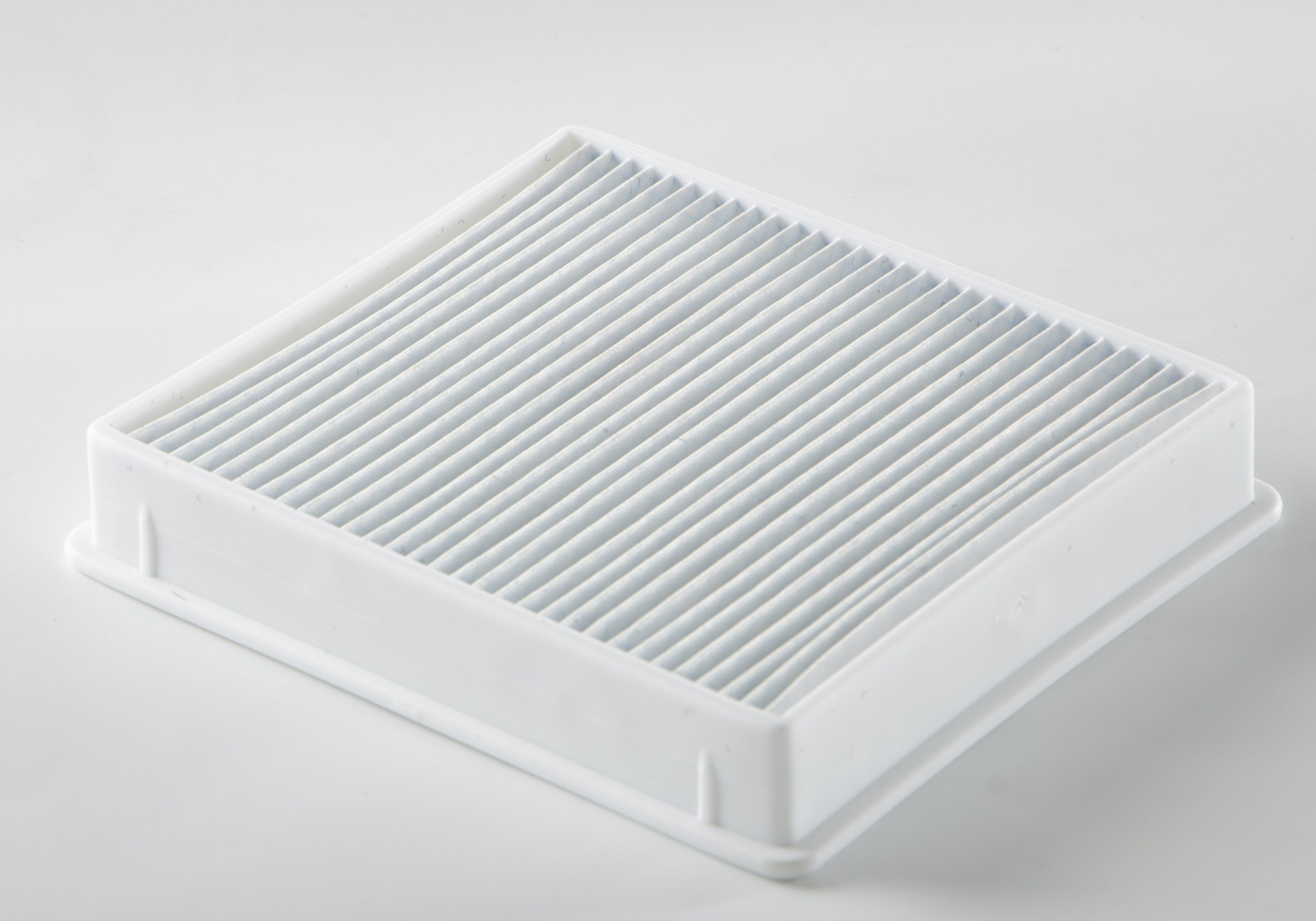
A disposable furnace filter is designed to be removed and replaced once it becomes dirty. Depending on the product, it may be made from fiberglass, pleated synthetic material, or another disposable filtration medium.
Basic fiberglass filters are usually inexpensive, but they primarily protect HVAC equipment from larger debris. Pleated filters generally provide better particle capture and are available in several efficiency levels.
Advantages of Disposable Filters
- Simple maintenance: Remove the old filter and install a new one.
- Multiple filtration levels: Homeowners can choose from several MERV ratings.
- Reliable performance: A fresh filter provides predictable filtration without depending on cleaning quality.
- Easy availability: Common filter sizes are widely sold and easy to store at home.
Potential Drawbacks of Disposable Filters
- Filters create recurring household waste.
- Replacement costs add up over time.
- Homeowners must remember to purchase the correct size.
- Some high-efficiency filters may restrict airflow in systems not designed for them.
What Is a Washable Furnace Filter?
A washable furnace filter, sometimes called a reusable or permanent filter, can be removed, cleaned, dried, and reinstalled. These filters typically use a durable synthetic or metallic filtering material inside a rigid frame.
The main attraction is reusability. Instead of purchasing replacement filters several times a year, a homeowner can continue using the same filter for an extended period if it remains in good condition.
Advantages of Washable Filters
- Reduced replacement waste: One filter may remain usable for years.
- Fewer recurring purchases: You do not need to keep buying disposable filters.
- Durable construction: The rigid frame can withstand repeated removal and cleaning.
- Convenient availability: A replacement is not needed every time the filter becomes dirty.
Potential Drawbacks of Washable Filters
- Cleaning takes more time than replacing a disposable filter.
- The filter must dry completely before being reinstalled.
- Some reusable filters capture fewer fine particles than quality pleated filters.
- Improper cleaning can leave dust and debris trapped in the filtration material.
Disposable vs. Washable Furnace Filters
The better option depends on your HVAC system, household needs, and willingness to perform regular maintenance. For many Tampa-area households, a quality disposable pleated filter provides the most practical combination of filtration and convenience.
Here is how the two types compare:
- Upfront cost: Disposable filters cost less individually, while washable filters require a larger initial purchase.
- Long-term cost: A well-maintained reusable filter may cost less over several years.
- Particle capture: Disposable pleated filters generally offer more choices for capturing smaller particles.
- Maintenance: Disposable filters are replaced, while washable filters must be thoroughly cleaned and dried.
- Waste: Reusable filters reduce the number of used filters entering the trash.
- Consistency: Disposable filters provide fresh filtration material with every replacement.
If indoor air quality is your primary concern, do not assume that a washable filter is equivalent to a higher-quality disposable filter. Compare the efficiency rating, confirm that the filter is compatible with your equipment, and consider the needs of people with allergies or respiratory sensitivities.
Understanding MERV Ratings and Airflow
MERV stands for Minimum Efficiency Reporting Value. The rating indicates how effectively a filter captures particles within specific size ranges. A higher rating generally means finer filtration, but the highest available rating is not automatically the best choice for every home.
An overly restrictive filter can reduce airflow if the HVAC system was not designed to accommodate it. This may result in uneven temperatures, longer operating cycles, or unnecessary strain on the blower motor.
Before switching filter types or dramatically increasing the MERV rating, consider:
- The filter size specified for your system
- The manufacturer’s recommended filtration range
- Whether anyone in the home has allergies or asthma
- Whether the home has pets, renovation dust, or heavy indoor particle levels
- How frequently the HVAC system operates
- Whether you can maintain the filter consistently
An HVAC technician can evaluate your equipment and recommend a filter that balances particle capture with proper airflow. ACS Home Services provides comprehensive HVAC services for homeowners who need help maintaining efficient, dependable comfort systems.
How Often Should You Change a Disposable Filter?
Many disposable filters need replacement every one to three months, but there is no universal schedule. A thin filter in a busy household may become dirty much sooner than a larger media filter in a lightly occupied home.
Check your filter more frequently when:
- You have dogs, cats, or other indoor pets.
- Someone in the household has allergies.
- Your system runs heavily during hot or cold weather.
- Construction or remodeling has created extra dust.
Visual inspection is more useful than relying entirely on the calendar. If the filter is coated with dirt or appears clogged, replace it even if it has not reached the manufacturer’s suggested service interval.
How Do You Maintain a Washable Furnace Filter?
Reusable filters require more than a quick rinse. Follow the product manufacturer’s directions, since cleaning methods can vary by material and design.
A typical cleaning process includes:
- Turn off the HVAC system before removing the filter.
- Note the airflow direction so the filter can be reinstalled correctly.
- Remove loose dust without damaging the filter material.
- Rinse the filter according to the manufacturer’s instructions.
- Allow it to dry completely in a clean location.
- Inspect it for deterioration before reinstalling it.
Never place a damp filter back into the system. Trapped moisture can encourage unwanted biological growth and may introduce moisture into areas that should remain dry. Because drying takes time, some homeowners keep a compatible backup filter available.
Can a Dirty Filter Cause Furnace Problems?
Yes. A clogged filter restricts airflow, which can make it harder for the system to distribute heated air. The equipment may run longer, deliver weaker airflow, or shut down to protect itself from excessive heat.
Possible warning signs include:
- Weak airflow from supply vents
- Rooms that heat unevenly
- Unusually long heating cycles
- A filter that becomes dirty very quickly
- Higher energy use without an obvious explanation
- A furnace that repeatedly starts and stops
Changing the filter is a sensible first step, but it will not resolve every heating problem. If the symptoms continue with a clean filter, professional heating repair can identify airflow restrictions, blower problems, control issues, or other equipment faults.
Homeowners with a gas furnace can also arrange specialized Tampa furnace repair when their system is not heating properly or is showing signs of unreliable operation.
Which Filter Is Better for Florida Homes?
Florida HVAC systems operate heavily through much of the year, even when the furnace itself is not producing heat. The filter continues collecting dust and debris whenever the central system moves air for cooling, heating, or fan circulation.
A disposable pleated filter is often the more convenient option because it can be inspected and replaced quickly. It also gives homeowners more choices when selecting an efficiency level that suits their indoor air quality goals.
A washable filter may still work well for someone who wants to reduce waste and will clean it carefully. It should be compatible with the HVAC system and capable of providing the level of filtration the household expects.
Homes with heat pumps also rely on good airflow throughout the year because the same equipment provides heating and cooling. If you have questions about filtration, performance, or whether a heat pump fits your comfort needs, ACS Home Services offers professional Tampa heat pump services.
How to Choose the Right Furnace Filter
Start by checking the dimensions printed on the existing filter. The replacement must fit properly, and the airflow arrow should point in the direction indicated by the system configuration.
Then consider these questions:
- Does anyone in the home have allergies or respiratory sensitivities?
- Do pets contribute significant hair or dander?
- Can your HVAC system support the filter’s MERV rating?
- Will you consistently clean and dry a reusable filter?
- How often does your heating and cooling system operate?
- Is convenience or reduced waste more important to you?
For most households, the best filter is not necessarily the most expensive one. It is the correctly sized, system-compatible filter that you will inspect and maintain on schedule.
Schedule HVAC Service With ACS Home Services
A clean filter supports airflow, but it is only one part of proper HVAC care. If your furnace is struggling to heat your home, making unusual noises, cycling frequently, or delivering weak airflow, the system may need professional attention.
Contact ACS Home Services to schedule an inspection or HVAC service. You can also call (833) 278-8886 to speak with the team about your heating and indoor comfort concerns.
Homeowners can learn more about the company and its local customer experiences through the ACS Home Services Google Maps profile.
FAQ
Is a disposable furnace filter better than a washable filter?
For many homeowners, a disposable pleated filter is the better all-around option because it is convenient and available in multiple filtration levels. A washable filter may be suitable if reducing waste is a priority and you are willing to clean and dry it properly.
Do washable furnace filters actually work?
Yes, washable filters can capture larger particles and help protect HVAC equipment. Their ability to capture finer particles varies, so compare the filter’s efficiency rating and confirm that it meets your indoor air quality needs.
How long does a washable furnace filter last?
A reusable filter may last several years when cleaned according to the manufacturer’s instructions. Replace it if the frame becomes damaged, the material deteriorates, or it no longer comes clean after washing.
How often should I clean a washable furnace filter?
Inspect it about once a month and clean it whenever visible buildup is present. Homes with pets, heavy HVAC use, or elevated dust levels may require more frequent cleaning.
Can I put a washable filter back while it is damp?
No. A washable filter should be completely dry before it is returned to the HVAC system. Reinstalling it while damp can introduce moisture and create conditions that support unwanted growth.
Is a higher MERV rating always better?
No. A higher MERV rating captures smaller particles, but it may also create more resistance to airflow. Use a filter rating that is compatible with your HVAC equipment or ask a qualified technician for guidance.
Can a dirty furnace filter increase energy bills?
It can. A clogged filter may restrict airflow and cause the system to operate longer while trying to reach the thermostat setting. Replacing or cleaning the filter can help, but continuing performance problems should be professionally diagnosed.
Can I switch from a disposable filter to a washable filter?
Possibly, provided the reusable filter has the correct dimensions and is appropriate for your HVAC system. Before switching, compare its filtration rating, airflow resistance, cleaning requirements, and compatibility with the equipment.