

A Tampa home can feel sticky even when the thermostat says 74 degrees. That is often a humidity problem, not just a temperature problem. Knowing how to reduce indoor humidity helps protect your comfort, improve indoor air quality, and limit the conditions that allow mold, mildew, and moisture damage to take hold.
Florida’s heat, frequent rain, and long cooling season put a lot of pressure on home systems. A few smart daily habits can make a meaningful difference, but persistent humidity may point to an AC, ductwork, ventilation, or plumbing issue that deserves professional attention.
What Indoor Humidity Level Should Your Home Have?
Most homes feel best when relative humidity stays between 30% and 50%. In Central Florida, maintaining that range can be challenging, especially during summer afternoons and rainy stretches. Once indoor humidity remains above 60%, you may notice that rooms feel warmer than they should, towels take longer to dry, windows sweat, and a musty odor starts to develop.
A basic hygrometer gives you a clear starting point. Place it in a commonly used area away from supply vents, exterior doors, and direct sunlight. If readings are consistently high, track whether the problem affects the whole home or only certain rooms. That distinction can help identify the right solution.
How to Reduce Indoor Humidity With Your Air Conditioner
Your air conditioner does more than cool the air. As warm indoor air moves across the system’s cold evaporator coil, moisture condenses and drains away. When the system is working properly and sized correctly, it should remove a substantial amount of moisture during normal cooling cycles.
Set the Thermostat for Consistent Cooling
Turning the thermostat up and down dramatically can leave your home feeling damp. In humid weather, set a comfortable temperature and avoid frequent large adjustments. A steady setting allows the AC to run long enough to remove moisture rather than shutting off after short bursts of cooling.
If your system has a fan setting, use “Auto” rather than “On.” With the fan set to On, it may continue circulating air after the cooling cycle ends. That can reintroduce moisture from the evaporator coil back into the home instead of allowing it to drain.
Replace Dirty Air Filters
A clogged air filter restricts airflow. Reduced airflow can affect cooling performance, strain equipment, and interfere with proper dehumidification. Check your filter monthly during heavy-use periods and replace it according to the manufacturer’s recommendation or sooner if it looks dirty.
The most expensive filter is not automatically the best choice. An overly restrictive filter can also limit airflow if your system was not designed for it. A qualified HVAC technician can recommend an appropriate filter rating for your equipment, household needs, and indoor air quality goals.
Keep Up With AC Maintenance
A dirty evaporator coil, blocked condensate drain, low refrigerant charge, or worn component can reduce your system’s ability to control humidity. These issues do not always cause a complete breakdown right away. Sometimes the first warning is a home that feels clammy despite an AC that appears to be running.
Routine maintenance gives a technician the chance to inspect drainage, airflow, refrigerant operation, electrical components, and overall system performance before a minor issue becomes a major comfort problem. In Florida, annual AC maintenance is a practical investment, not an optional extra.
Use Exhaust Ventilation Where Moisture Starts
Bathrooms, kitchens, and laundry areas add significant moisture to indoor air. Exhaust fans move that moisture outside before it can spread through the house, but only when they actually vent outdoors and are used long enough.
Run the bathroom fan during showers and for roughly 20 minutes afterward. Use the kitchen exhaust fan while boiling water or cooking, especially when several burners are in use. If your laundry room has poor ventilation, avoid drying clothes indoors whenever possible.
A fan that is noisy, weak, or not vented to the exterior is not doing its job. Venting moist air into an attic, crawl space, or garage can create a different moisture problem rather than solving the original one.
Stop Moisture From Getting Into the House
Dehumidifying is only half the job. The other half is limiting the humid outdoor air and unwanted water entering your home. In a Florida home, small gaps and hidden leaks can have an outsized impact.
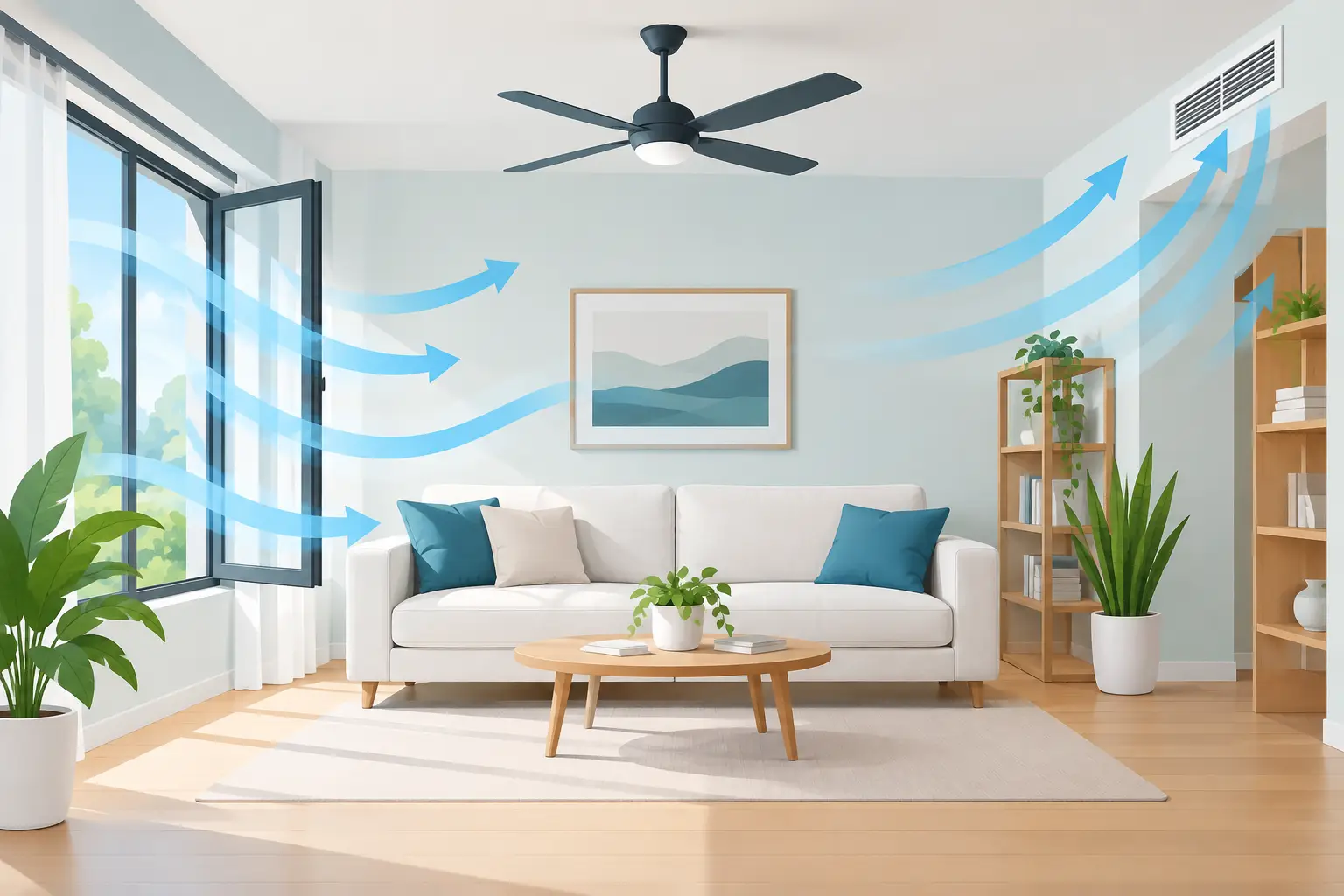
Check weatherstripping around exterior doors, inspect window seals, and make sure doors close tightly. Keep windows closed when the AC is operating. Opening windows may feel appealing on a mild morning, but warm, humid air can quickly raise indoor humidity once the day heats up.
Look for signs of water intrusion around windows, exterior walls, ceilings, and baseboards. Peeling paint, warped materials, staining, or a recurring musty smell should not be ignored. Roof leaks, poor drainage, and damaged seals need prompt attention to prevent more extensive repairs.
Rule Out Plumbing Leaks and Drain Problems
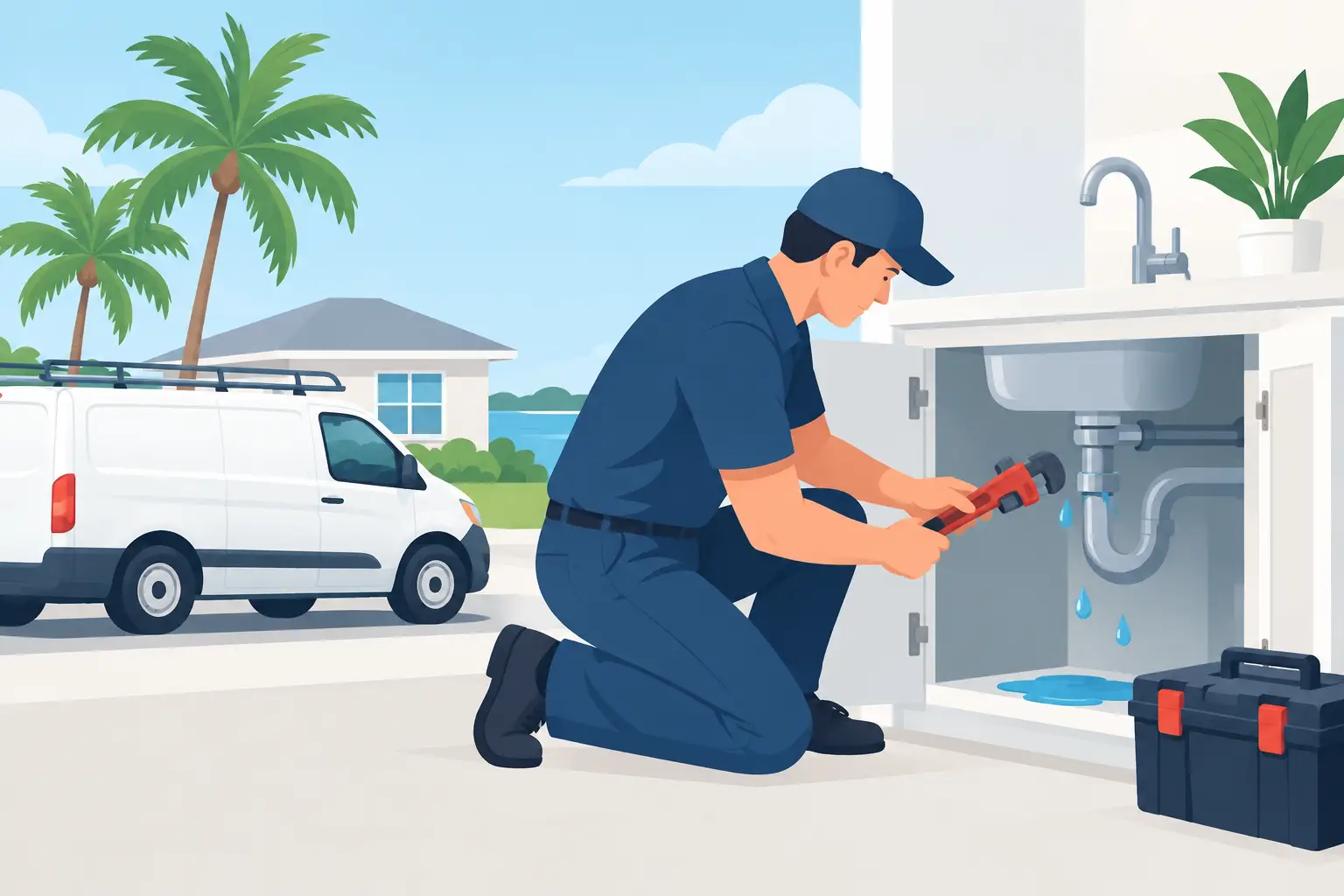
A hidden plumbing leak can quietly add moisture to walls, cabinets, flooring, and the air inside your home. Under-sink leaks, slow toilet leaks, damaged supply lines, and slab leaks are common sources. You may not see standing water, but you might notice a higher water bill, soft flooring, cabinet damage, or mildew in an area that should stay dry.
Your AC’s condensate drain also needs attention. It carries moisture collected by the cooling system out of the home. If the drain line clogs, water can back up, trigger a safety switch, damage nearby materials, or contribute to humidity concerns around the air handler.
If you smell mildew near plumbing fixtures, see water stains, or suspect a leak behind a wall, prompt leak detection is the safest next step. Catching the source early can protect both your home and your indoor air quality.
When a Portable Dehumidifier Makes Sense
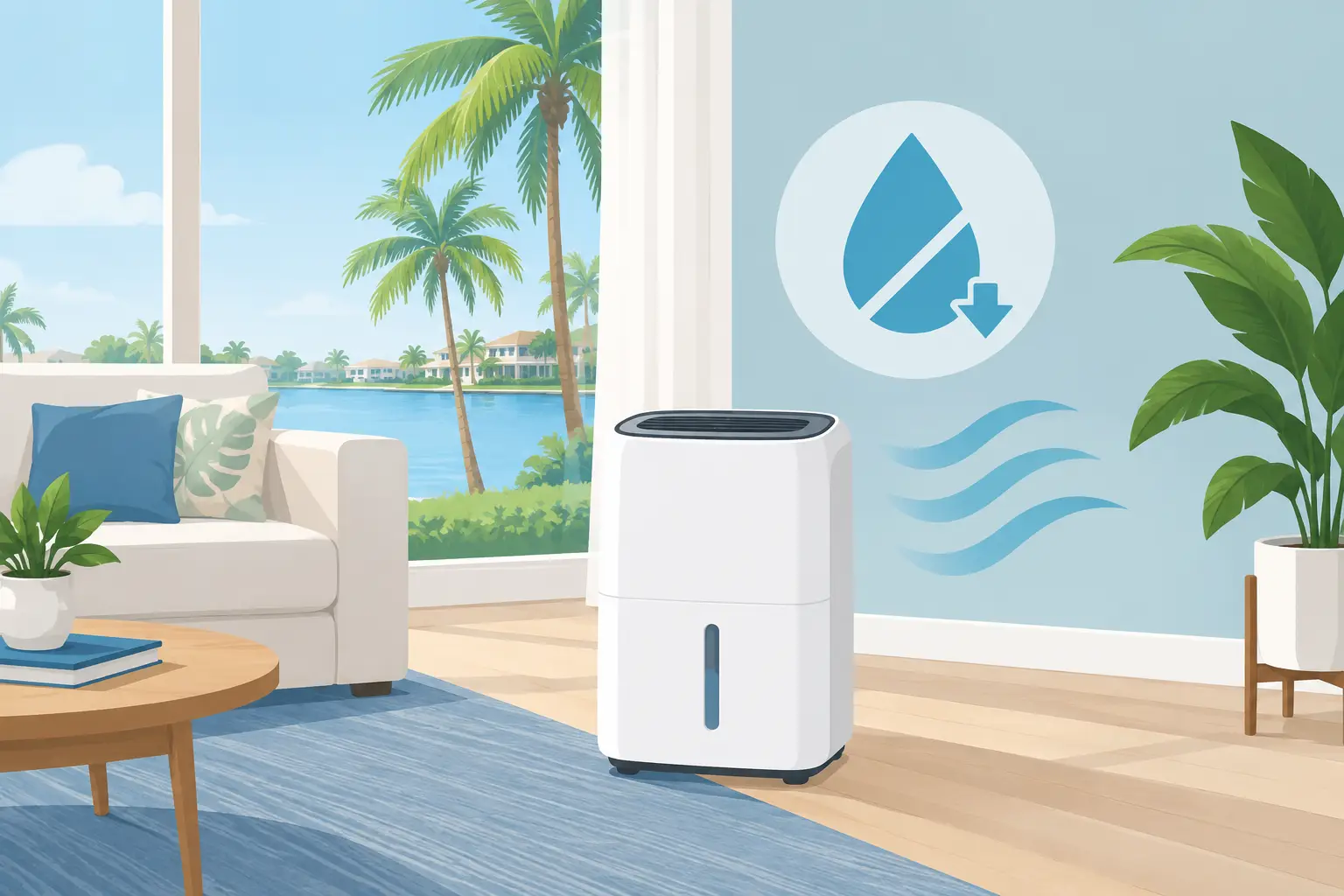
A portable dehumidifier can help in a specific problem area, such as a laundry room, bedroom, bathroom, garage, or enclosed space that stays damp. Choose a unit rated for the size of the room, keep doors and windows closed while it runs, and empty the tank regularly unless it has a properly installed drain connection.
It is useful as a targeted solution, but it is not always the answer for a humid whole house. A portable unit adds heat as it operates and may run constantly if it is trying to overcome an HVAC or building-envelope problem. If several rooms feel damp or your unit is filling buckets every day, the underlying cause needs to be addressed.
A whole-home dehumidifier may be a better fit for homes with ongoing moisture concerns, large floor plans, or family members sensitive to mold and allergens. These systems work with your HVAC equipment to manage humidity throughout the home without relying on multiple portable units.
Watch for Signs Your HVAC System Needs Service
High humidity can mean your air conditioner is undersized, oversized, aging, improperly installed, or simply in need of repair. An oversized system is a common surprise: it can cool the house too quickly, then shut off before removing enough moisture. Duct leaks, poor return-air design, and inadequate insulation can also make humidity control harder.
Schedule an HVAC evaluation if you notice any of the following:
- Your home feels sticky while the AC is running.
- Humidity regularly stays above 55% to 60%.
- Some rooms are much more humid than others.
- The AC runs constantly or starts and stops frequently.
- You see water around the indoor unit or notice a musty smell from vents.
- Mold or mildew returns after cleaning.
A trained technician can measure performance instead of guessing. The right recommendation may be a repair, drain-line cleaning, duct improvement, thermostat adjustment, dehumidification equipment, or a properly sized system replacement. What helps depends on the home, the equipment, and the source of the moisture.
For homeowners across Tampa Bay and Central Florida, ACS Home Services can help evaluate the HVAC and plumbing factors behind persistent indoor moisture. Clear answers matter when your comfort, home, and family are on the line.
A dry, comfortable home should not require constant guesswork. If simple changes are not bringing humidity down, have the system and the home checked before moisture turns into mold, damage, or a bigger repair.