

Signs of impending furnace trouble include unusual noises, weak airflow, uneven heating, frequent cycling, rising energy costs, strange odors, and difficulty starting the system.
Florida winters may be mild compared with those in northern states, but a dependable furnace still matters when temperatures fall. Because Tampa homeowners use their heating systems less frequently, developing problems can remain unnoticed until the first cold night of the season.
Recognizing the early warning signs can help you schedule professional heating repair before a minor issue causes a complete system failure. Prompt attention can also protect your comfort, reduce unnecessary energy use, and help prevent more expensive furnace damage.
Your Furnace Is Making Unfamiliar Noises
A furnace will normally make some noise as it starts, operates, and shuts down. New or unusually loud sounds, however, can indicate that something inside the system needs attention.
Listen for noises such as:
- Banging or popping: These sounds can result from expanding ductwork, delayed ignition, or dirty burners.
- Squealing: A worn belt, motor bearing, or blower component may be responsible.
- Rattling: Loose panels, fasteners, or internal components can vibrate while the furnace runs.
- Grinding: This may point to a serious blower motor or bearing problem that requires prompt service.
Do not ignore a noise just because the furnace continues to produce heat. A loose or worn component can damage nearby parts when the equipment keeps running. Scheduling a Tampa furnace repair visit early may prevent the problem from becoming more disruptive.
Some Rooms Feel Colder Than Others
Uneven temperatures are often among the first signs homeowners notice. One bedroom may remain chilly while the living room becomes uncomfortably warm, even though the thermostat is set to a reasonable temperature.
Several conditions can cause uneven heating:
- Blocked, closed, or damaged supply vents
- A dirty furnace filter restricting airflow
- Leaks or poor connections within the ductwork
- A weakening blower motor or improperly sized system
Check that the visible vents are open and unobstructed. If the problem affects several rooms or returns after changing the filter, the furnace may need a professional airflow and performance evaluation.
The Airflow From Your Vents Feels Weak
Your furnace may be running, but that does not necessarily mean heated air is moving through the house correctly. Weak airflow makes it harder for the system to reach the thermostat setting and can result in longer heating cycles.
A clogged filter is one possible cause, but weak airflow may also come from duct restrictions, a failing blower motor, or buildup inside the equipment. Continuing to operate the furnace under those conditions can place additional strain on important components.
Replace the filter if it is dirty and confirm that furniture, rugs, and curtains are not covering the vents. If airflow remains weak, an HVAC technician can determine whether the problem is inside the furnace or elsewhere in the home HVAC system.
The Furnace Starts and Stops Frequently
A furnace normally completes a heating cycle and then remains off until the indoor temperature drops. When it starts and stops every few minutes, the behavior is commonly called short cycling.
Short cycling can be connected to:
- A clogged air filter that causes the unit to overheat
- A thermostat problem or poor thermostat placement
- A dirty flame sensor or ignition-related malfunction
- An oversized furnace that heats the space too quickly
Frequent cycling should not be treated as a harmless inconvenience. It can increase energy consumption, create uneven temperatures, and accelerate wear on the furnace. A technician can test the system and identify the reason it cannot complete a normal cycle.
Your Heating Costs Have Increased Unexpectedly
An energy bill can rise because of colder weather, rate changes, or increased household use. A large unexplained increase may also mean your furnace is working harder than it should.
Loss of efficiency can develop when airflow is restricted, burners are dirty, ductwork is leaking, or mechanical components are wearing out. Compare the bill with the same period from the previous year while accounting for changes in weather and household habits.
If energy use has climbed while your comfort has declined, the combination provides a stronger indication of furnace trouble than either issue alone. A professional inspection can reveal whether maintenance, repair, or equipment replacement offers the most practical solution.
The Furnace Has Trouble Starting
A healthy furnace should start shortly after the thermostat calls for heat. Delayed ignition, repeated clicking, or several unsuccessful startup attempts can signal a problem with the ignition system, electrical components, thermostat, or safety controls.
You can first confirm that the thermostat is set to heat and that its temperature setting is above the current room temperature. Check the electrical panel once for a tripped breaker, but do not continue resetting a breaker that trips repeatedly.
Gas and electrical components should be diagnosed by a trained professional. Do not attempt to bypass a furnace safety switch or manually light equipment that was not designed for manual ignition.
You Notice Strange Furnace Odors
A dusty smell can occur when the furnace runs for the first time after months of inactivity. That odor should usually fade after a short period of normal operation.
Other smells deserve closer attention:
- Persistent burning odor: Turn the system off and arrange an inspection, especially if you see smoke.
- Electrical or melting-plastic smell: Wiring, a motor, or another electrical component may be overheating.
- Musty odor: Moisture or biological buildup may be present in the HVAC system or ductwork.
- Gas or sulfur-like smell: Leave the property, avoid operating switches or flames, and contact the appropriate emergency authorities and gas provider from a safe location.
Odors can provide an early warning that heat, moisture, or combustion is not being managed correctly. If an odor is strong, persistent, or associated with smoke or gas, prioritize safety instead of trying to locate the source yourself.
The Pilot Light or Burner Flame Looks Unusual
If your furnace has a visible burner flame, it should generally appear steady and blue. A flame that is yellow, flickering, or behaving differently than usual may indicate incomplete combustion or another burner-related problem.
Soot around the furnace, scorch marks, or repeated burner shutdowns also require professional attention. Do not open sealed combustion compartments or adjust gas components yourself.
Every home with fuel-burning equipment should have working carbon monoxide detectors installed in appropriate locations. If an alarm sounds or anyone develops symptoms such as headache, nausea, confusion, or dizziness, leave the property immediately and seek emergency assistance.
The Furnace Runs Constantly Without Warming the House
A furnace may operate for longer periods during unusually cool weather. Constant operation with little improvement in indoor temperature, however, indicates that the system cannot meet the heating demand.
Possible explanations include:
- Restricted airflow caused by a dirty filter or blocked return
- Heat loss through damaged or disconnected ductwork
- A burner, heat exchanger, or blower performance problem
- Aging equipment that can no longer operate effectively
A technician can measure temperatures, airflow, electrical performance, and combustion conditions to determine what is happening. That evaluation can help you compare the cost and expected benefit of repair with other options.
When Furnace Repair May No Longer Be the Best Option
Not every furnace problem means the entire system must be replaced. A straightforward repair may restore safe, dependable operation when the equipment is otherwise in good condition.
Replacement may deserve consideration when:
- The furnace requires increasingly frequent repairs
- A major component has failed on an older system
- Heating costs continue to rise despite regular maintenance
- The equipment no longer keeps the home consistently comfortable
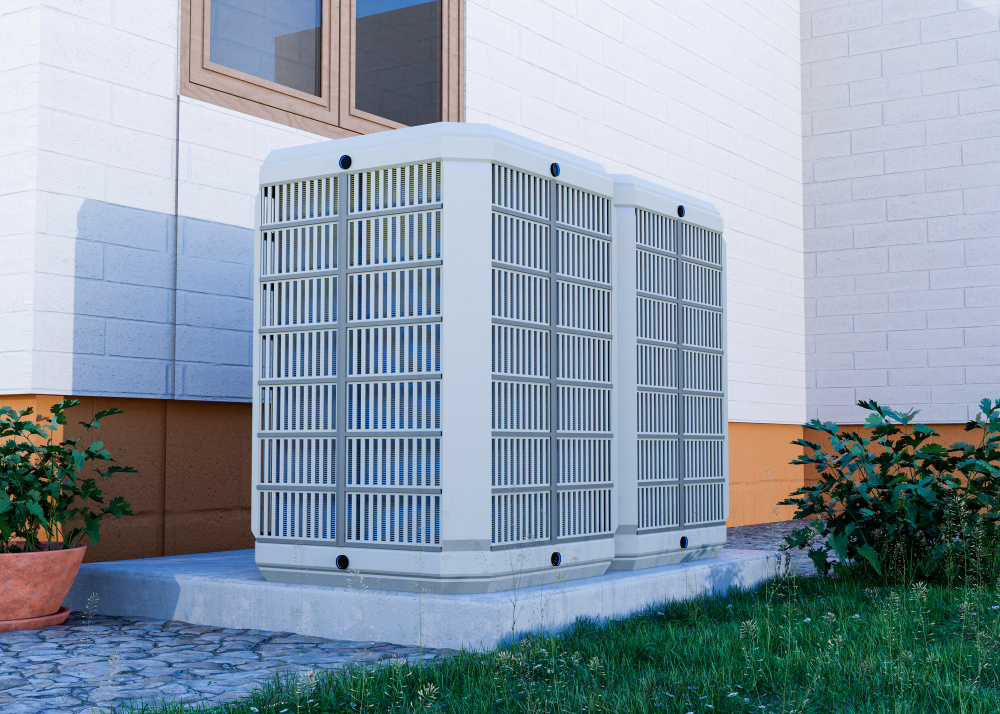
Some Tampa homeowners also consider heat pump installation when replacing older heating equipment. A heat pump can provide both heating and cooling, making it well suited to Florida’s generally mild winters and long cooling season.
The right decision depends on the furnace’s condition, repair cost, age, efficiency, and your plans for the home. A professional evaluation should give you enough information to compare your options without guesswork.
What To Check Before Calling For Furnace Service
A few safe checks may uncover a simple issue or provide useful information for the technician. Avoid removing service panels or handling electrical, gas, or combustion components.
- Confirm that the thermostat is set to heat and has working batteries, if required
- Inspect the air filter and replace it if it is visibly dirty
- Make sure supply vents and return grilles are open and unobstructed
- Write down any noises, odors, error codes, or unusual cycling patterns
If these checks do not solve the problem, arrange professional service. Turn the system off if you notice smoke, a strong burning smell, repeated electrical problems, or signs of unsafe combustion.
Schedule Furnace Service With ACS Home Services
Furnace problems rarely improve on their own. Addressing unusual operation early can help limit damage, restore dependable heating, and give you more time to make an informed decision about any recommended work.
For furnace troubleshooting and repair in the Tampa area, call ACS Home Services at (833) 278-8886 or request an appointment online. You can also visit the Google Maps profile for ACS Home Services to find location information and customer feedback.
FAQ
What are the most common signs that a furnace is failing?
Common warning signs include unfamiliar noises, weak airflow, uneven heating, short cycling, unusual odors, higher energy consumption, and difficulty starting. One symptom may have a simple cause, but several occurring together often indicate that the furnace needs professional attention.
Why does my furnace make a banging noise when it starts?
Banging can come from expanding ductwork, loose components, dirty burners, or delayed ignition. Because delayed ignition can involve unsafe combustion, a loud bang at startup should be evaluated by an HVAC technician.
Why is my furnace blowing cool air?
The thermostat may be set incorrectly, the filter may be restricting airflow, or the burners may not be operating properly. Cool air can also result from an ignition problem, overheating safety shutdown, or normal air movement at the beginning or end of a cycle.
How often should I replace my furnace filter?
Filter replacement frequency depends on the filter type, household size, indoor air conditions, pets, and system use. Inspect the filter regularly and follow the equipment and filter manufacturers’ guidance rather than relying on one schedule for every home.
Is short cycling harmful to a furnace?
Yes. Repeatedly starting and stopping can waste energy, reduce comfort, and place additional wear on motors, controls, and ignition components. It can also indicate overheating or another condition that should be corrected.
Should I turn off my furnace if I smell something burning?
Turn it off if the odor is strong, persists, or resembles melting plastic or overheated wiring. If you see smoke, notice signs of fire, or suspect a gas leak, leave the property and contact emergency assistance from a safe location.
Is it better to repair a furnace or replace it?
Repair often makes sense when the furnace is in good overall condition and the problem is isolated. Replacement may provide better value when an older unit needs frequent repairs, has a major component failure, or no longer heats the home efficiently.
Can ACS Home Services inspect my furnace before it stops working?
Yes. A professional inspection can identify worn components, airflow restrictions, ignition issues, and other developing problems before they cause a breakdown. Call (833) 278-8886 or use the ACS Home Services contact page to schedule service.