

A burst supply line can put gallons of water across a laundry room in minutes. A toilet overflow can turn from an unpleasant mess into a sanitation concern just as quickly. This emergency plumbing response guide gives Central Florida homeowners a clear plan for protecting people, limiting damage, and getting the right help without making a stressful situation worse.
The goal is not to diagnose every plumbing failure on the spot. It is to stop the immediate hazard, preserve your home as much as possible, and give a trained plumber the information needed to make an efficient repair.
Emergency Plumbing Response Guide: The First 10 Minutes
Start by looking for the source of the problem without stepping into standing water near outlets, appliances, or electrical panels. If water is close to electricity, do not touch switches or cords. Move away from the area and, if it is safe to do so, turn off power to the affected area at the electrical panel. When there is any doubt about electrical safety, wait for professional help.
Shut off the water at the closest safe point
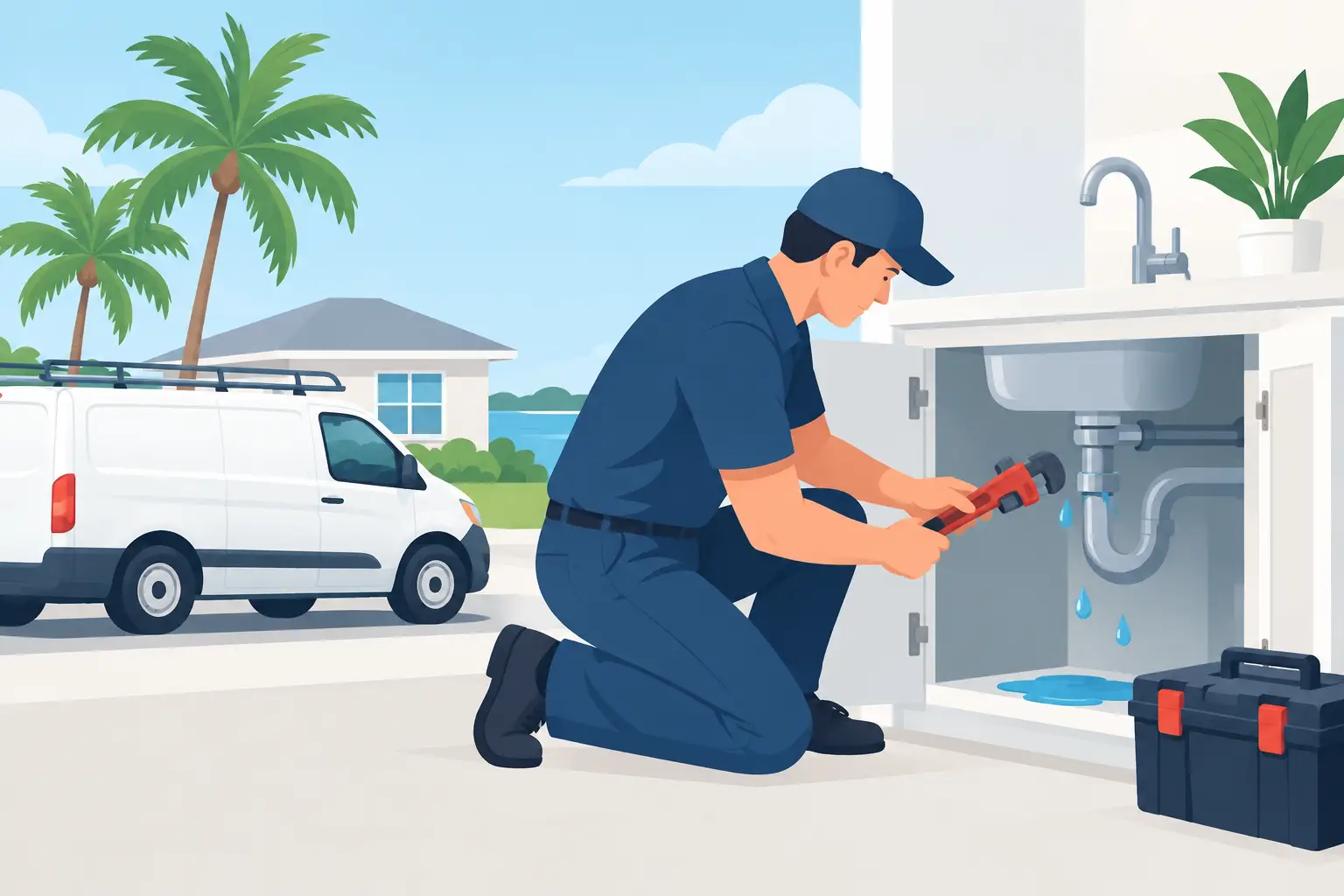
For a single leaking toilet, sink, or washing machine, use the small shutoff valve serving that fixture. It is usually located under the sink, behind the toilet, or on the wall behind a washer. Turn it clockwise until it stops. Avoid forcing an old valve that will not move, since it can break and create a larger leak.
If a pipe has burst, the leak source is unclear, or water continues after a fixture valve is closed, turn off the main water supply to the home. Many Florida homes have a main shutoff near the water meter, in a garage, on an exterior wall, or where the water line enters the house. Every adult household member should know where it is before an emergency occurs.
Once the water is off, open a cold-water faucet at the lowest practical point in the home, such as a first-floor sink or outdoor spigot. This relieves pressure in the plumbing lines and may reduce continued dripping. Do not turn water back on until the source has been identified or a plumber tells you it is safe.
Protect people before protecting property
Water damage is costly, but safety comes first. Keep children and pets away from wet areas, especially if there is sewage, broken glass, exposed pipes, or potential electrical contact. If you smell gas near a water heater or gas appliance, leave the home immediately, avoid creating sparks, and call emergency services and your gas provider from a safe location. Do not attempt to relight a pilot light or investigate the leak yourself.
Sewage backups require added caution. Wastewater can carry harmful bacteria, so avoid direct contact, wear gloves only if you must move items, and keep the affected area closed off. Do not use fans that could spread contaminants to other rooms.
Document the damage, then begin light cleanup
Take photos or video of the leak source, affected flooring, walls, belongings, and visible damage before moving items. Documentation can be useful when speaking with an insurance carrier. Then move dry belongings out of harm’s way and place buckets or towels beneath active drips if it is safe.
For clean water from a supply line, blot standing water with towels and use a wet/dry vacuum if you have one. In Tampa’s humid climate, moisture can linger in flooring, cabinets, and drywall, so prompt drying matters. Do not tear open walls, remove plumbing connections, or use a standard household vacuum on water.
Know Which Plumbing Problems Need an Emergency Call
Not every plumbing repair needs a technician in the middle of the night. A slow drip under a bathroom sink that can be contained may be able to wait until regular service hours. A leak that cannot be stopped, however, can damage flooring, drywall, insulation, and personal belongings long before morning.
Call for emergency plumbing service when you have:
- A burst pipe, active water leak, or ceiling leak that continues after you shut off fixture valves
- Sewage backing up into tubs, showers, toilets, or floor drains
- A toilet overflow that will not stop or affects more than one fixture
- No running water throughout the home when the issue is not related to a utility outage
- A suspected slab leak, such as warm spots on flooring, unexplained water sounds, or a sudden rise in water use
- A water heater leaking heavily, producing discolored water, or showing signs of a gas-related concern
A clogged drain may also be urgent when multiple drains back up at once. That pattern can point to a main sewer line problem rather than a simple sink clog. Repeated plunging, harsh chemical drain cleaners, or inserting improvised tools into the drain can damage pipes and make the repair more difficult.
Water heater problems need the right response
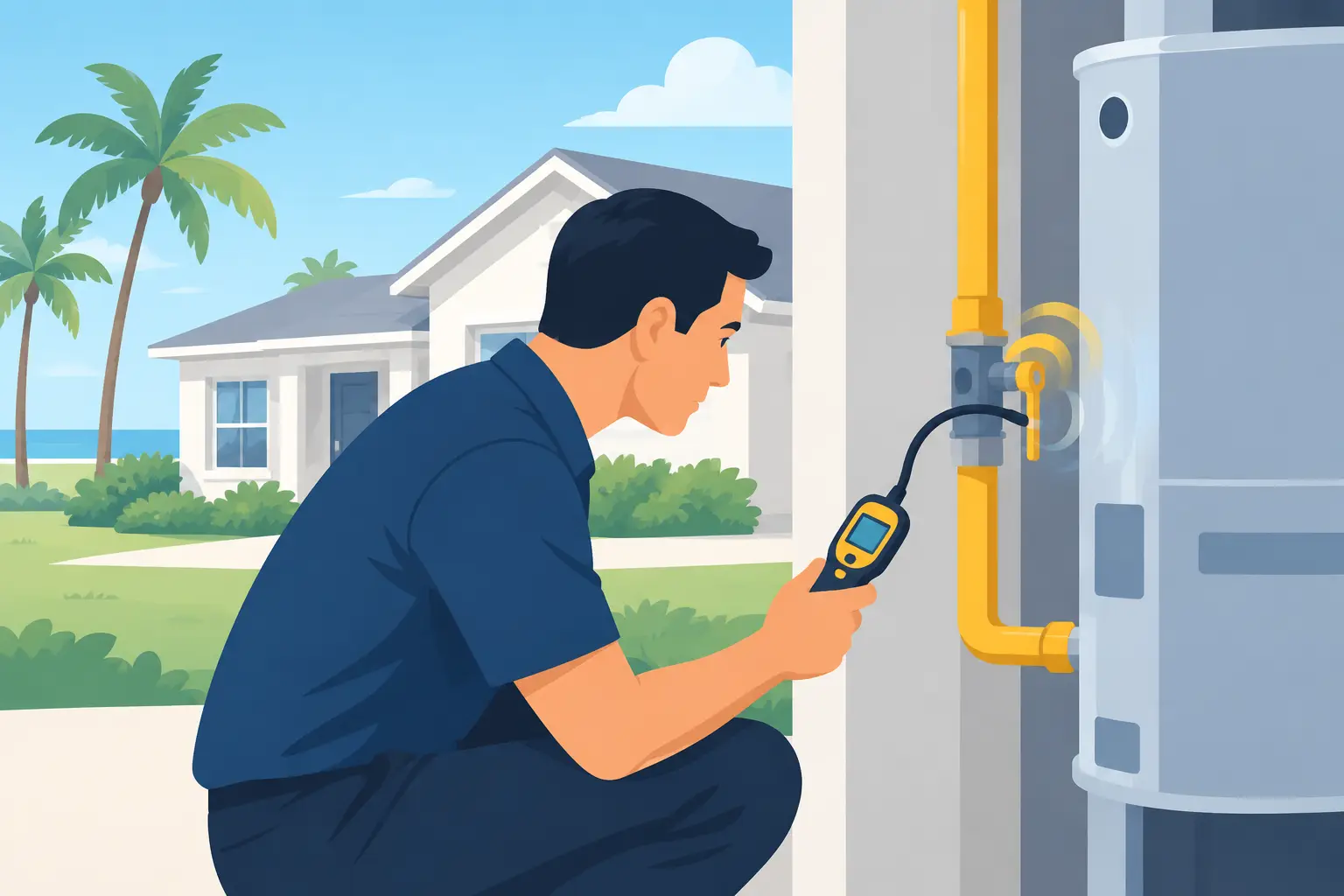
If a conventional tank water heater is leaking from the tank itself, turn off the cold-water supply valve above the unit if it is accessible and safe. For electric water heaters, turn off power at the breaker before doing anything around the unit. For gas water heaters, do not touch controls if you smell gas. Leave the area and seek immediate help.
A small amount of water near a water heater can sometimes come from a fitting, pressure relief valve, or condensation. It can also signal tank failure. It depends on where the water is coming from, how much is present, and whether the unit is still operating normally. A trained technician can determine whether a repair is appropriate or replacement will provide the safer long-term solution.
Avoid These Common Emergency Mistakes
The pressure to fix a plumbing issue quickly can lead to decisions that increase damage. Do not pour chemical drain opener into a drain that has standing water or a complete blockage. The chemical may sit in the pipe, create fumes, damage certain plumbing materials, and put anyone working on the drain at risk.
Avoid using excessive force on shutoff valves, toilet handles, faucet components, or exposed piping. A temporary patch with plumber’s tape or a clamp may slow a very small, accessible leak, but it should not be treated as a permanent repair. Never use duct tape on a pressurized pipe and assume the problem is solved.
It is also wise to avoid running water elsewhere in the home when you suspect a sewer backup. Flushing toilets, taking a shower, or starting the dishwasher can send more water into a blocked drain line and worsen the overflow.
Prepare Information for Your Plumber
Once the immediate situation is stable, a few details can speed up the service visit. Be ready to explain where the problem started, when you first noticed it, whether water has been shut off, and which fixtures are affected. Share whether the issue followed a storm, recent construction, a drain clog, or a sudden change in water pressure.
If you have photos from before cleanup, keep them available. Let the technician know about access concerns, such as a gated community, pets, a locked utility room, or a water shutoff located outside. Clear communication helps the plumber arrive prepared and focus on the repair rather than searching for basic information.
After the Leak Is Stopped, Watch for Hidden Damage
A successful plumbing repair stops the source, but it does not automatically mean the home is dry. Check nearby cabinets, baseboards, ceilings below bathrooms, flooring seams, and walls around the affected area over the next several days. Musty odors, bubbling paint, warped flooring, or new discoloration may indicate trapped moisture.
For a major leak, ask about the condition of nearby plumbing components as well. If one aging supply line failed, similar lines may be nearing the end of their service life. This does not always mean a whole-home replacement is necessary, but it is worth understanding the condition of the system so you can plan rather than react.
Build a simple emergency plan before you need it
Take ten minutes this week to locate the main water shutoff, label it if needed, and make sure household members know how to use it. Keep a flashlight, towels, a bucket, and a plumber’s contact information where they are easy to find. If your home has an older water heater, recurring drain trouble, or previous leaks, preventive maintenance can reduce the chance of an after-hours surprise.
When a plumbing emergency interrupts your home, calm action makes a real difference. ACS Home Services provides 24/7 emergency support for homeowners who need experienced help protecting their plumbing system, their comfort, and their property.