

A toilet that bubbles when the washing machine drains is not just an odd plumbing noise. It can be one of the earliest signs of sewer backup – and acting quickly may prevent wastewater from reaching your floors, walls, and belongings. For Tampa Bay homeowners, a sewer problem can escalate fast, especially when heavy rain, mature tree roots, or aging drain lines are involved.
A backup is not always caused by a broken sewer line. Sometimes the issue is a blockage in one fixture drain. The difference matters: a single slow bathroom sink may be a localized clog, while multiple fixtures reacting at once can point to a blockage farther down the home’s main sewer line. Knowing what to watch for helps you make the right call before a minor warning becomes an emergency.
1. More Than One Drain Is Slow
One slow shower or sink can often be traced to hair, soap residue, or debris near that fixture. When several drains are slow at the same time, however, the restriction may be in the main drain line that carries wastewater away from your home.
Pay attention if a toilet, tub, shower, and sink all seem to drain poorly, particularly on the lowest level of the house. Do not assume repeated plunging will solve the problem. If the obstruction is in the sewer line, forcing more water into the system can increase the risk of a backup.
2. Toilets, Tubs, or Showers Gurgle
Gurgling is often a plumbing system asking for air. As water tries to move past a blockage, air can become trapped and push back through nearby fixtures. You may hear bubbling in a toilet after running the sink, or hear the tub drain gurgle when a toilet is flushed.
A single brief sound is not always an emergency, but repeated gurgling deserves attention, especially when it happens in more than one room. It can signal a developing obstruction that has not fully stopped the flow yet.
3. Water Comes Up in the Tub or Shower
Water rising through a tub or shower drain after you flush a toilet is one of the clearest signs of a sewer line blockage. In many homes, these low drains provide the easiest route for backed-up wastewater to escape when it cannot move through the main line.
This water may look dirty, carry a sewage odor, or contain toilet paper or debris. Stop using plumbing fixtures immediately. Avoid flushing again, running the dishwasher, or starting a laundry load, since each action sends more water toward the obstruction.
4. Your Toilet Water Level Changes Unexpectedly
A toilet bowl that suddenly has unusually high or low water can indicate pressure changes in the drain system. You may also notice the water moving or bubbling without anyone flushing.
There are other possible explanations, including a toilet-specific issue. But when changing bowl levels occur alongside slow drains, gurgling, or water appearing in a tub, the likelihood of a main sewer problem is much higher.
5. Sewage Odors Are Coming From Drains
Your home’s plumbing traps are designed to hold water that blocks sewer gases from entering living spaces. A persistent sewage smell near a drain, toilet, utility room, or yard can mean wastewater is not moving correctly, a trap has dried out, or a sewer line has a crack or blockage.
Try running water in rarely used sinks, showers, and floor drains first, since an unused drain can lose its protective water seal. If the odor remains or is paired with drainage trouble, schedule a professional inspection. Sewer gas odors should not be ignored, particularly in enclosed spaces.
6. The Lowest Fixtures Back Up First
When the main sewer line cannot carry wastewater away, the lowest plumbing fixture in the home often shows the first evidence. In a single-story Florida home, that may be a shower, tub, or floor drain. In a multi-level home, it is commonly a first-floor bathroom, laundry room, or utility sink.
This pattern separates a possible sewer backup from a simple upper-level fixture clog. A clog in one sink generally affects that sink. A blockage in the main line can affect whichever low opening gives the backed-up water a place to go.
7. You See Wet Spots or Unusually Green Areas Outside
A sewer line problem is not always visible indoors. A soft, wet, or foul-smelling area in the yard can indicate wastewater leaking from a damaged underground pipe. Some homeowners also notice a strip of grass that is greener or grows faster than the rest of the lawn.
Florida’s frequent rain can make outdoor clues harder to interpret, so context matters. A wet area after a storm may be normal. A recurring wet patch during dry weather, especially near the sewer line route, is worth having checked.
8. Drains Back Up After You Use Water Appliances
A partially blocked sewer line may seem manageable until a high-volume appliance sends a large amount of water through the system. The washing machine is a common trigger. Its discharge can cause a toilet to gurgle, a shower drain to bubble, or water to rise from a nearby drain.
Dishwashers and multiple back-to-back showers can produce similar symptoms. If backups happen primarily when the washer drains, do not keep testing the system. The next cycle could result in wastewater overflowing into your home.
9. You Have Repeat Clogs That Keep Coming Back
A toilet that clogs once after too much paper may not mean there is a sewer issue. But repeated clogs, recurring slow drains, or frequent calls for drain clearing can point to a deeper problem. Tree root intrusion, pipe scale, bellied sections of pipe, damaged joints, and aging sewer materials can all create recurring restrictions.
Chemical drain cleaners are not a reliable fix for this type of problem. They may not reach the obstruction effectively, can damage certain pipes, and can create a safety concern for anyone working on the drain afterward. Professional drain cleaning and camera inspection can identify what is actually happening inside the line.
What Causes Sewer Backups in Central Florida?
Sewer backups have several possible causes, and the right repair depends on the source. Tree roots can enter small openings in underground pipes and expand over time. Older pipes may crack, shift, corrode, or collect mineral buildup. Grease, wipes, paper towels, hygiene products, and other non-flushable items can create stubborn blockages.
Heavy rainfall may also overwhelm municipal sewer systems in some areas or expose drainage issues around a property. If a city sewer main is affected, neighbors may have similar problems. If the issue is limited to your home, the obstruction is more likely in your private sewer lateral or interior drain system. A technician can help determine where responsibility begins and what repair is appropriate.
What to Do When You Notice Signs of Sewer Backup
The first priority is limiting additional water flow. Stop using toilets, sinks, showers, the washing machine, dishwasher, and garbage disposal if wastewater is backing up or several fixtures are affected. Keep children and pets away from contaminated water, and avoid trying to clean a major sewage spill without proper protective equipment.
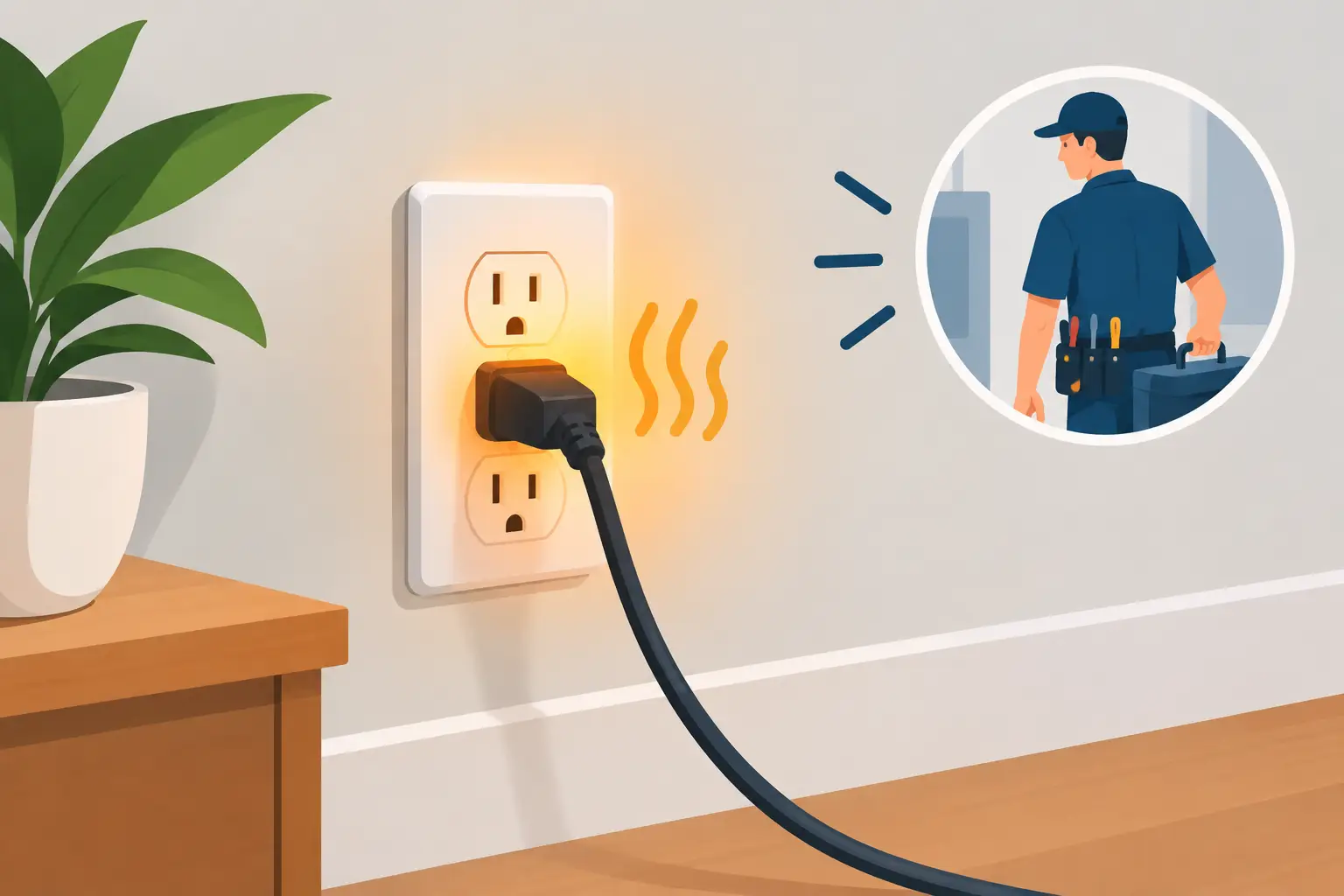
If water has reached the floor, do not use electrical appliances or outlets near the affected area. A sewer backup can create both sanitation and electrical hazards. Take photos for your records if it is safe to do so, then contact a qualified plumbing professional for prompt help.
A professional evaluation may include clearing the line and using a sewer camera to locate roots, buildup, breaks, or pipe misalignment. Clearing a clog can restore flow, but a camera inspection is especially valuable when the problem has happened before. It helps distinguish a one-time blockage from a pipe condition that needs repair or replacement.
When It Is an Emergency
Treat sewage coming into the home, multiple fixture backups, or an inability to use essential plumbing as an urgent issue. The longer wastewater remains inside, the greater the risk of damage to flooring, drywall, cabinetry, and personal property.
For homeowners in Tampa and surrounding Central Florida communities, ACS Home Services provides responsive plumbing support for drain and sewer concerns. Fast professional help can protect your home, clarify the cause, and give you a clear recommendation instead of guesswork.
When your plumbing starts sending warning signals, trust the pattern. A prompt service call at the first sign of widespread drainage trouble is far easier to manage than a sewage cleanup after the line fails completely.