

When your Tampa-area AC runs for hours but rooms still feel sticky, uneven, or warmer than they should, the outdoor unit may not be the only issue. Air handler replacement can restore the indoor half of your cooling system, but it is not a decision to make based on age alone. The right answer depends on the condition of the equipment, your comfort concerns, repair history, and whether the air handler properly matches your AC system.
For Florida homeowners, this component does more than move cool air. It helps manage humidity, supports airflow throughout the home, and keeps the system operating efficiently during long cooling seasons. Knowing when replacement is warranted can help you avoid a surprise breakdown in the middle of extreme heat.
What an Air Handler Does in Your Home
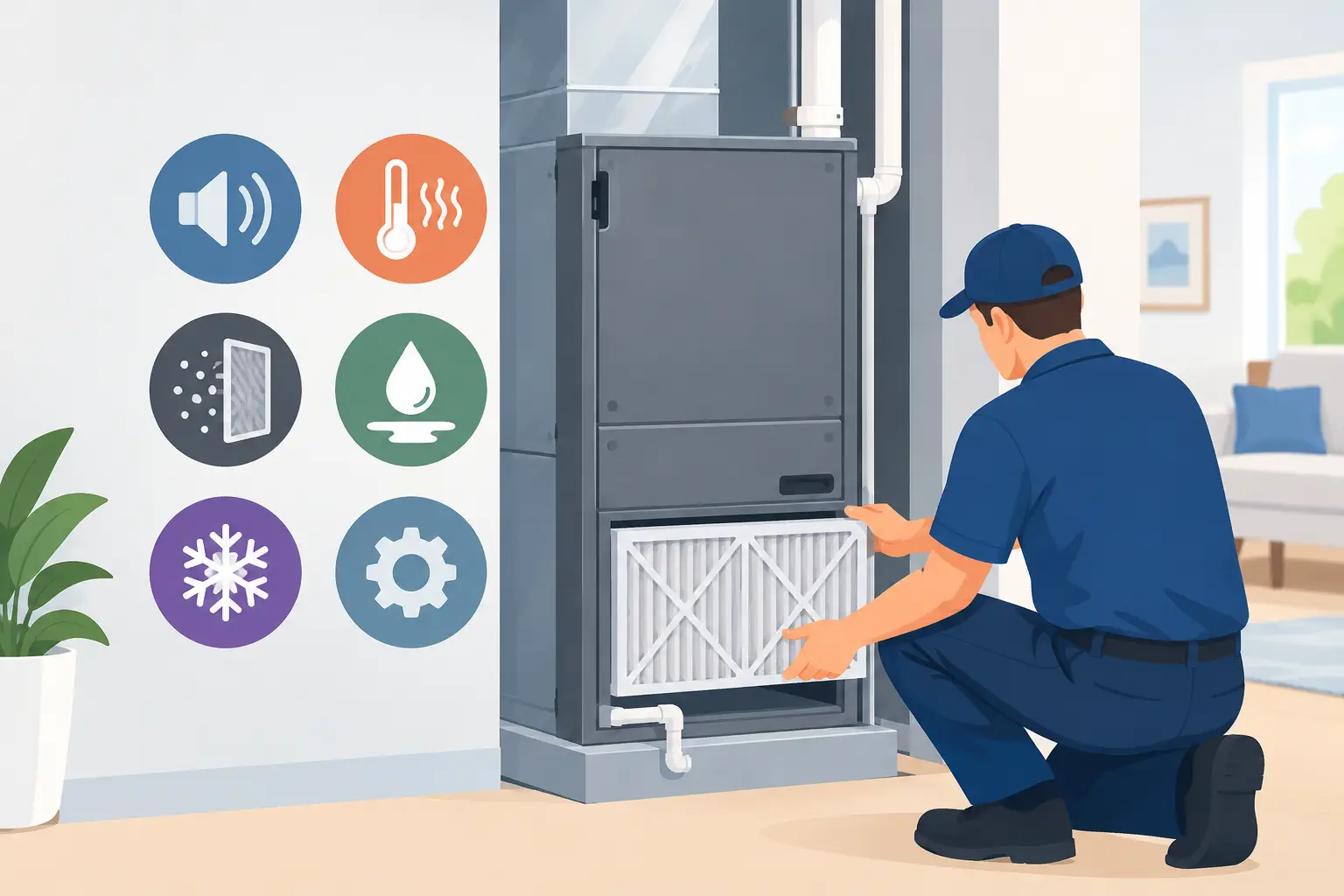
An air handler is the indoor portion of many central air conditioning and heat pump systems. Usually located in a closet, garage, attic, or utility area, it contains the blower motor, evaporator coil, air filter compartment, and electrical controls that circulate conditioned air through the ductwork.
The outdoor condenser removes heat from your home, but the air handler is responsible for moving cooled air where you need it. If its blower is weak, its coil is damaged, or its controls are failing, even a newer outdoor unit may struggle to keep your home comfortable.
In Central Florida, air handler performance also affects moisture removal. A system that cools quickly but does not run long enough, move enough air, or drain condensation correctly can leave rooms feeling clammy. That is why a professional diagnosis should look beyond the thermostat setting and outdoor equipment.
7 Signs You May Need Air Handler Replacement
Some air handler problems can be repaired. Others point to aging equipment that is becoming unreliable or incompatible with the rest of the system. These are common signs it is time for a closer look.
1. Your system has frequent, costly repairs
A failed capacitor, clogged drain line, or worn contactor may be a straightforward repair. But repeated blower motor failures, coil leaks, electrical issues, or control board problems can add up quickly. If repair visits are becoming routine and the air handler is near the end of its expected service life, replacement may be the more practical long-term choice.
A technician can help compare the immediate repair cost with the value of investing in new equipment. The goal is not to replace equipment prematurely. It is to avoid spending heavily on an air handler that is likely to fail again soon.
2. Some rooms are too warm or too humid
Uneven temperatures can come from duct leaks, poor insulation, zoning issues, or an improperly sized system. Still, a struggling blower motor or dirty evaporator coil can also reduce airflow enough to leave bedrooms, second floors, or far corners of the home uncomfortable.
Humidity is another warning sign in Florida. If your home feels cool but damp, or you notice persistent condensation around vents, the issue deserves professional attention. Correcting airflow and equipment performance can improve comfort without simply lowering the thermostat further.
3. The air handler is leaking water or causing drain problems
Your air handler creates condensation as it removes heat and humidity from indoor air. That water must drain safely through a condensate line. A clogged line can trigger a float switch and shut the system down, while a damaged drain pan or neglected maintenance can lead to water around the unit.
Not every leak calls for replacement. However, recurring water damage, rusted components, a deteriorated cabinet, or an older coil with ongoing drainage problems may change the recommendation. Acting quickly also helps protect ceilings, flooring, and nearby electrical components.
4. You hear persistent noises from the indoor unit
A brief startup sound is normal. Grinding, screeching, rattling, or loud humming is not. These noises can indicate a failing blower motor, loose wheel, worn bearings, or a damaged internal component.
Turn the system off and schedule service if the noise is severe or sudden. Continuing to operate equipment with mechanical problems can cause additional damage and may leave you without cooling when temperatures rise.
5. Your energy bills keep climbing without a clear reason
Utility bills fluctuate with weather, occupancy, and thermostat habits. But if your cooling costs increase while your comfort declines, an inefficient air handler could be part of the problem. Restricted airflow, aging motors, dirty coils, and failing controls can force the system to work longer than necessary.
A professional evaluation should also include the filter, ductwork, refrigerant performance, and thermostat operation. Replacing an air handler will not solve every efficiency problem, so a complete assessment matters.
6. The evaporator coil has a major refrigerant leak
The evaporator coil inside the air handler is essential to cooling. Small issues may sometimes be repairable, depending on the equipment and the leak location. In many cases, however, a significant coil leak on older equipment makes replacement a better value than repeated refrigerant charges and temporary repairs.
This decision is especially important when the existing system uses older refrigerant technology or when the coil and outdoor condenser no longer make sense as a matched pair. Your technician should explain the options clearly, including whether replacing only the air handler is appropriate.
7. You are replacing the outdoor AC unit
Replacing an outdoor condenser while leaving behind an aging or incompatible indoor air handler can create performance problems. Modern equipment is designed and rated as a matched system. Pairing components incorrectly can affect efficiency, capacity, dehumidification, warranty coverage, and system longevity.
There are situations where an indoor unit can remain in place, but it must be evaluated carefully. A qualified HVAC professional can verify compatibility instead of assuming that any new condenser will work properly with the existing air handler.
What Affects Air Handler Replacement Cost?
There is no reliable one-price answer because the equipment and installation conditions vary from home to home. The air handler’s capacity, efficiency features, cabinet configuration, accessibility, electrical needs, duct modifications, drain line work, and coil selection all influence the final price.
An attic installation, for example, can require more labor and careful access than a ground-level utility closet. If technicians find damaged duct connections, undersized returns, poor drainage, or electrical concerns, addressing those issues at the same time may improve the result and prevent future service calls.
The lowest initial quote is not always the best value. Homeowners should look for a clear scope of work, correctly matched equipment, permit and code considerations where required, warranty details, and a straightforward explanation of what is and is not included. Financing options can also make a necessary replacement easier to plan for without delaying a comfort or reliability issue.
Why Proper Sizing Matters More Than Bigger Equipment
An oversized air handler is not automatically better. Equipment that is too large can cool a house too quickly, shutting off before it has removed enough humidity. That can leave your home feeling cold and clammy, especially during Florida’s humid months.
Equipment that is too small may run continuously, struggle during peak heat, and wear out faster. Proper sizing considers more than square footage. A technician should account for insulation, windows, home layout, duct design, sun exposure, ceiling height, occupancy, and the condition of the entire HVAC system.
The same principle applies to blower settings and airflow. Small adjustments can have a meaningful effect on comfort, noise, efficiency, and moisture control. This is why a professional installation is about more than swapping one metal cabinet for another.
How to Prepare for an Air Handler Replacement
Before installation day, clear a path to the air handler and remove stored items from the work area. If the unit is in an attic or closet, make sure technicians can safely access it. It is also helpful to mention any rooms with comfort issues, recent water leaks, unusual noises, or thermostat concerns before work begins.
Ask what will happen to your existing equipment, whether duct or drain improvements are recommended, and how long the system will be unavailable. A good installation team should test operation, verify drainage, confirm airflow, and explain basic maintenance before leaving your home.
Regular filter changes and scheduled maintenance can help protect a new air handler, but they cannot compensate for incorrect sizing or poor installation. Choosing an experienced local team from the start gives your system the best chance to deliver dependable cooling through the season.
If your AC is noisy, leaking, running constantly, or leaving parts of your home uncomfortable, do not wait for a complete breakdown. ACS Home Services can evaluate your system, explain repair and replacement options clearly, and help you choose a solution built for reliable Florida comfort.