

Furnace filter replacement is one of the simplest ways to protect your HVAC system, maintain healthy airflow, and improve the quality of the air circulating through your home. Most filters should be checked monthly and replaced every one to three months, although the right schedule depends on your household, filter type, and system usage.
In the Tampa area, an HVAC filter works throughout much of the year because the same filter commonly serves both the heating and cooling equipment. Even when you are not running your furnace regularly, your air conditioner may be pulling air through that filter every day.
What Does a Furnace Filter Do?
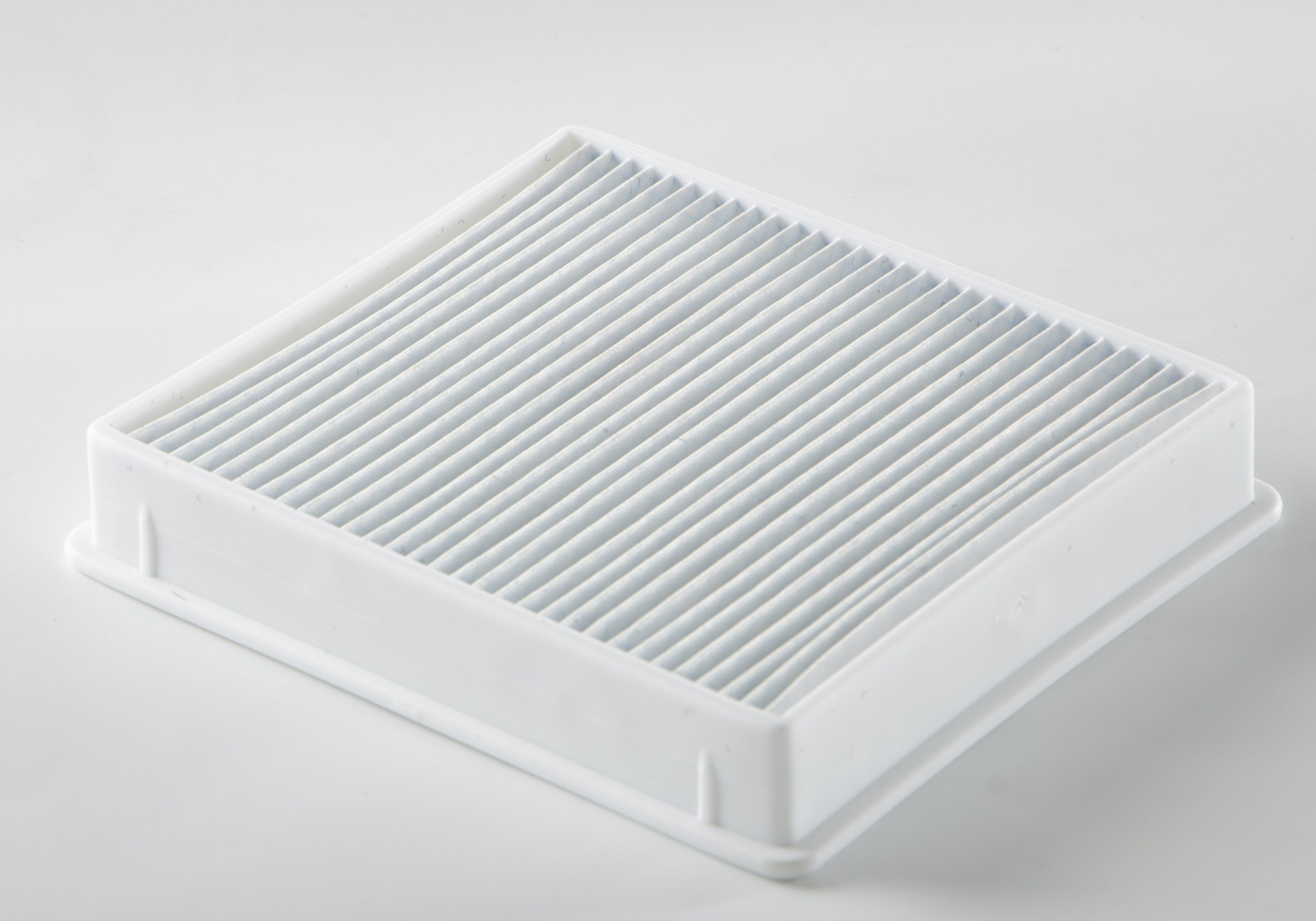
Your furnace filter captures airborne particles before they enter the HVAC system. This helps protect sensitive components and keeps some dust and debris from circulating back through your home.
Depending on the filter’s efficiency, it may capture:
- Household dust and lint
- Pet hair and dander
- Pollen and other outdoor particles
- Some mold spores and fine airborne debris
The filter’s primary job is to protect your HVAC equipment. Cleaner indoor air is an added benefit, particularly when the system uses a filter designed to capture smaller particles.
How Often Should You Change Your Furnace Filter?
A standard one-inch furnace filter often needs replacement every 30 to 90 days. Thicker media filters may last longer, but homeowners should follow the filter manufacturer’s guidance and the recommendations for their specific HVAC equipment.
You may need to change your filter more frequently if:
- You have one or more pets
- Someone in the home has allergies or asthma
- Your HVAC system runs for long periods
- You recently completed construction or remodeling
- People smoke inside the home
- Your property is exposed to significant dust or pollen
Tampa’s long cooling season can shorten a filter’s usable life. Instead of relying only on the date printed on your calendar, inspect the filter once a month and replace it when it looks heavily coated with dust.
Signs Your Furnace Filter Needs to Be Changed
A dirty filter is not always obvious from inside the living space. However, your home and HVAC system may provide several warning signs.
- Weak airflow from the supply vents
- More dust collecting on furniture and surfaces
- Heating or cooling cycles that last longer than usual
- Rooms that are difficult to keep comfortable
- An unexplained increase in energy use
- Visible dust covering most of the filter material
You might also notice that the HVAC system sounds strained or turns on and off more frequently. These symptoms can have several causes, so replacing the filter is a good first step, but it may not resolve an underlying mechanical problem.
Can a Dirty Filter Damage Your HVAC System?
A severely clogged filter restricts airflow. Your blower must work harder to move conditioned air through the ductwork, which can increase wear and energy consumption.
Restricted airflow may contribute to:
- Overheating furnace components
- Frozen air-conditioning evaporator coils
- Premature blower motor wear
- Reduced heating and cooling performance
If changing the filter does not restore normal comfort or airflow, the system may need professional attention. ACS Home Services provides complete HVAC services to diagnose airflow problems, equipment failures, and other comfort concerns.
How to Check and Replace Your Furnace Filter
Before removing the filter, turn the HVAC system off at the thermostat. The filter is commonly located inside the return-air grille or in a filter cabinet near the indoor air handler or furnace.
Follow these basic steps:
- Locate the existing filter and note its printed dimensions.
- Look for the airflow arrow printed on the filter’s frame.
- Remove the dirty filter carefully to avoid releasing collected dust.
- Insert the new filter with the arrow pointing toward the blower and indoor equipment.
- Close the grille or filter cabinet securely.
- Turn the system back on and confirm that air is moving normally.
Never force a filter into a slot that is too small. Using the wrong size can leave gaps that allow dust to bypass the filter, while a filter that is too large may become bent or damaged.
Should You Use the Highest-Rated Filter Available?
A filter that captures smaller particles is not automatically the best option for every system. Higher-efficiency filters may create more resistance to airflow, especially if the HVAC equipment and ductwork were not designed for them.
When choosing a filter, consider:
- The size specified for your equipment
- The filter rating recommended by the manufacturer
- Whether anyone in the household has respiratory sensitivities
- How frequently you are willing to inspect and replace it
If you are uncertain which filter to purchase, an HVAC technician can evaluate the system’s airflow requirements. This is safer than selecting a restrictive filter based solely on its efficiency rating.
What If a New Filter Does Not Fix the Problem?
A clean filter should support healthy airflow, but it cannot correct a damaged motor, dirty coil, duct restriction, thermostat problem, or failing heating component. Continued weak airflow, unusual sounds, short cycling, or poor heating should be professionally diagnosed.
Homeowners experiencing a heating problem can schedule heating repair service. If the problem involves a traditional furnace, ACS also provides dedicated Tampa furnace repair for local homes.
Many Florida properties use heat pumps rather than combustion furnaces. If your system provides both heating and cooling through the same equipment, learn more about professional service for Tampa heat pumps.
Make Filter Checks Part of Your Home Maintenance Routine
Keeping replacement filters on hand makes this task easier to remember. Write the installation date on the filter frame and set a monthly reminder to inspect it.
A practical filter routine can help you:
- Maintain steady airflow throughout the home
- Reduce avoidable strain on HVAC components
- Limit dust entering the heating and cooling equipment
- Spot developing airflow problems sooner
Do not wait until the filter is completely packed with debris. Replacing it before airflow becomes restricted is inexpensive preventive maintenance that can support better system performance.
Schedule HVAC Service With ACS Home Services
If you changed your furnace filter but still have weak airflow, uneven temperatures, unusual noises, or poor heating performance, ACS Home Services can identify the cause. A professional inspection can determine whether the issue involves the filter, blower, ductwork, thermostat, or heating equipment.
Call (833) 278-8886 or contact ACS Home Services to request an appointment. You can also visit the Google Maps profile for ACS Home Services to find location information and customer feedback.
FAQ
How can I tell if my furnace filter is dirty?
Remove the filter and inspect the material under good lighting. If it is covered with gray dust, hair, or debris and you can no longer see much of the filter material, it is probably time for a replacement. Weak airflow and increased dust around the home can provide additional clues.
Is changing a furnace filter every three months enough?
Three months may be appropriate for some homes, but it should not be treated as a universal rule. Homes with pets, allergy concerns, heavy HVAC use, or thin filters may require replacement every month or two.
Does my filter need to be changed during the summer?
Yes. In many central HVAC systems, the air conditioner and heater use the same blower and filter. Tampa’s extended cooling season can cause filters to collect considerable debris even when the heating function is not being used.
What happens if I install the filter backward?
A backward filter may not hold its shape or filter air as intended. Install it so the airflow arrow points toward the blower and indoor HVAC equipment, not toward the return-air opening.
Can a dirty furnace filter increase my energy bill?
It can. A clogged filter restricts airflow and may force the system to run longer or work harder to reach the thermostat setting. Energy use can also rise for other reasons, so persistent increases should be investigated.
Why does my new furnace filter get dirty so quickly?
Rapid buildup may be caused by pets, remodeling dust, open windows, duct leakage, heavy system use, or a filter that captures very fine particles. If a new filter becomes heavily clogged unusually quickly, an HVAC inspection may help identify the source.
Can I clean and reuse a disposable furnace filter?
No. Disposable filters are designed to be replaced, and washing them may damage the filter material. Only reusable filters specifically labeled as washable should be cleaned and reinstalled according to their manufacturer’s instructions.
Should I call an HVAC technician if changing the filter does not improve airflow?
Yes. Poor airflow after installing a clean, properly sized filter may point to a blower problem, dirty indoor coil, closed damper, damaged ductwork, or another restriction. A technician can test the system and determine the appropriate repair.