

Heat pump or furnace decisions should be based on Tampa’s climate, your home’s existing HVAC equipment, energy costs, comfort preferences, and installation budget. Heat pumps are often well suited to Florida’s mild winters, while furnaces can provide powerful, dependable heat when temperatures fall.
Choosing a new heating system is not simply a matter of selecting the most efficient model. The right choice depends on how your home is built, which fuel sources are available, and whether you also need a new air conditioner.
For many Tampa homeowners, a heat pump offers the most practical combination of heating and cooling. However, a furnace may still make sense when a home already has compatible equipment or the household prefers warmer supply air during cold weather.
What Is the Difference Between a Heat Pump and a Furnace?
A furnace creates heat and distributes it through the home’s ductwork. Depending on the system, it may generate that heat with natural gas, propane, oil, or electric resistance elements.
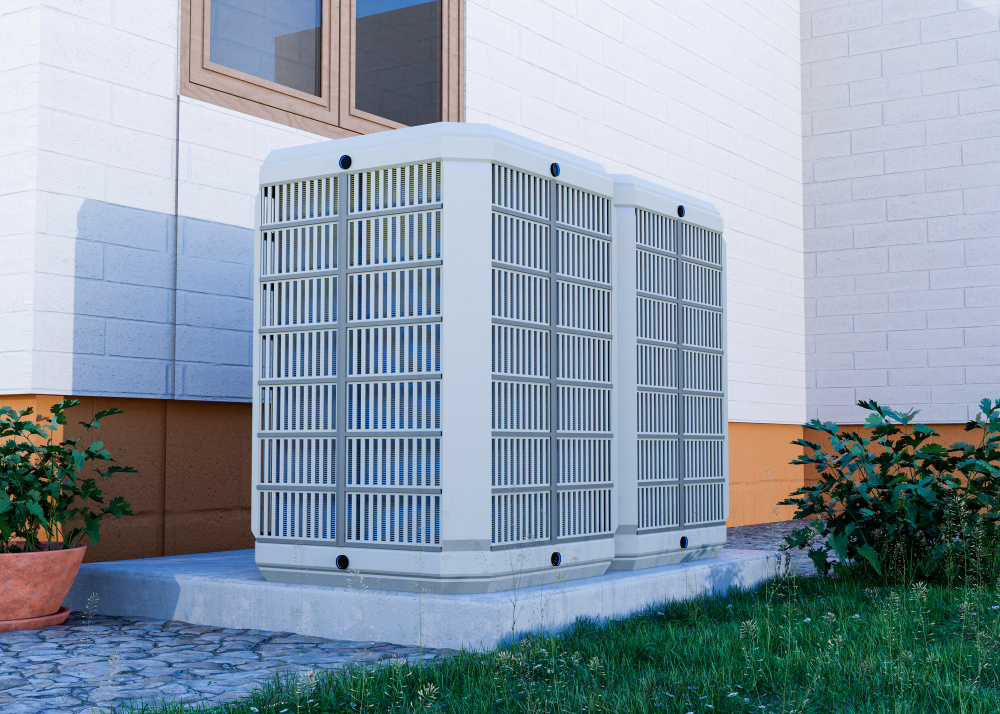
A heat pump works differently. Rather than creating heat directly, it transfers heat from the outdoor air into the house. In cooling mode, it reverses the process and carries indoor heat outside.
The basic differences include:
- A heat pump provides both heating and cooling from one system.
- A furnace provides heating only and normally works alongside a separate air conditioner.
- Heat pumps generally use electricity to transfer heat.
- Furnaces generate heat using electricity or a combustible fuel.
Homeowners who want to explore both options can begin with a professional review of their current equipment through ACS Home Services’ complete HVAC services.
How a Heat Pump Works in a Tampa Home
Even when the outdoor air feels cool, it still contains thermal energy. A heat pump uses refrigerant and a compressor to collect that energy and move it indoors.
Because Tampa winters are generally mild, the system can usually transfer heat without the extended periods of extreme cold that reduce heat pump performance in colder regions. This makes the technology a natural fit for many Florida properties.
Advantages of Choosing a Heat Pump
- One system handles heating and cooling, which simplifies the home’s HVAC setup.
- Heat pumps can use less electricity than electric resistance heating.
- The system delivers steady heat without burning fuel inside the home.
- Modern equipment can provide effective humidity control during cooling season.
A heat pump is especially worth considering if your air conditioner is also nearing the end of its useful life. Instead of replacing separate heating and cooling components, you may be able to install one coordinated system.
ACS Home Services can evaluate your home’s ductwork, electrical capacity, insulation, and current equipment before recommending a suitable Tampa heat pump.
How a Furnace Heats Your Home
A furnace heats air inside the equipment and uses a blower to move that air through the duct system. Gas furnaces use burners and a heat exchanger, while electric furnaces use electric heating elements.
Furnaces typically deliver hotter air from the vents than heat pumps. Some homeowners prefer this warmer sensation, particularly during sudden cold snaps or early-morning temperature drops.
Advantages of Choosing a Furnace
- Furnaces can raise indoor temperatures quickly.
- Gas models may provide strong heating output during colder weather.
- A furnace may integrate easily with an existing central air conditioner.
- Homeowners familiar with furnace heat may prefer its warmer supply air.
If you already own a furnace that is struggling to heat evenly, making unusual noises, or requiring repeated service, replacement may not be the only option. Professional furnace repair in Tampa can determine whether the problem is limited to a replaceable component.
Which System Is More Efficient?
Heating efficiency depends on the equipment, its condition, the home, and outdoor temperatures. A properly sized heat pump is often more efficient than electric resistance heating because it moves heat instead of producing all of it through heating elements.
Furnace efficiency is commonly expressed as annual fuel utilization efficiency, or AFUE. A higher AFUE rating means more of the furnace’s fuel is converted into usable heat, although actual energy costs still depend on fuel prices and household usage.
When comparing projected operating expenses, consider:
- The system’s efficiency rating and capacity
- Local electricity and fuel costs
- The condition of the ductwork and insulation
- Your preferred thermostat settings and daily schedule
The highest-rated unit is not automatically the most economical choice. An oversized system may cycle too frequently, while an undersized system may run for long periods without reaching the desired temperature.
Which Option Is Better for Tampa’s Climate?
Heat pumps tend to perform well in climates with long cooling seasons and relatively mild winters. Tampa fits that description, so many local homeowners can use a heat pump as their primary heating and cooling system.
A furnace can still be appropriate. It may be a practical choice if the home already has a gas connection, a separate air conditioner in good condition, and compatible ductwork.
A furnace may deserve stronger consideration when:
- The existing air conditioner does not need replacement.
- The home already has safe and suitable fuel infrastructure.
- The household prefers hotter air at the vents.
- The current HVAC configuration favors a furnace replacement.
There is no universal winner for every Tampa home. A system should be selected after calculating the home’s heating and cooling loads, inspecting the existing equipment, and discussing the homeowner’s priorities.
What About a Dual-Fuel HVAC System?
A dual-fuel system combines an electric heat pump with a gas furnace. The heat pump provides efficient heating during milder weather, while the furnace takes over when conditions call for stronger heating output.
This arrangement offers flexibility, but it adds equipment and controls. Tampa’s mild climate means some homes may not use the furnace frequently enough to justify the additional installation cost.
Dual-fuel may be worth discussing if:
- Your property already has access to natural gas.
- You want heat pump efficiency with furnace backup.
- Your household places a high value on heating redundancy.
- An HVAC evaluation shows a reasonable long-term benefit.
Installation Costs and Existing Equipment
The price of a new system depends on much more than the equipment itself. Contractors must consider system capacity, efficiency, duct modifications, electrical requirements, refrigerant lines, drainage, permits, and removal of old equipment.
A heat pump may be attractive when both the air conditioner and heating system require replacement. A furnace may have a lower initial project cost when the existing air conditioner is still dependable and compatible with the new heating equipment.
Important installation questions include:
- Can the existing ductwork support the required airflow?
- Does the electrical panel have enough capacity?
- Will other HVAC components remain compatible?
- Are repairs needed before installation can begin?
Ask for a complete proposal that explains the equipment, required modifications, warranty coverage, and expected maintenance. A lower equipment price can become expensive if the system is poorly sized or installed.
Comfort Differences Homeowners May Notice
Heat pumps often run for longer cycles and deliver moderately warm air. This can create consistent temperatures throughout the home, but the air coming from the vents may not feel as hot as furnace air.
Furnaces typically operate in shorter, more intense heating cycles. The air feels warmer, although temperature differences between cycles may be more noticeable in some homes.
Your comfort may also be affected by:
- Blocked, leaking, or poorly designed ductwork
- Insufficient insulation around the living space
- An incorrectly sized heating system
- A thermostat installed in an unsuitable location
If your existing equipment runs but cannot maintain comfortable temperatures, replacement may not be necessary. An inspection and professional heating repair can identify airflow restrictions, thermostat problems, failed components, and other repairable issues.
Maintenance Requirements for Heat Pumps and Furnaces
Both systems need routine maintenance. Because a heat pump provides heating and cooling, it may operate during most of the year and should be inspected with that workload in mind.
A furnace may run less often in Tampa, but seasonal maintenance remains important. Burners, electrical components, safety controls, the blower assembly, and the heat exchanger must remain in dependable condition.
Homeowners can support either system by completing a few basic tasks:
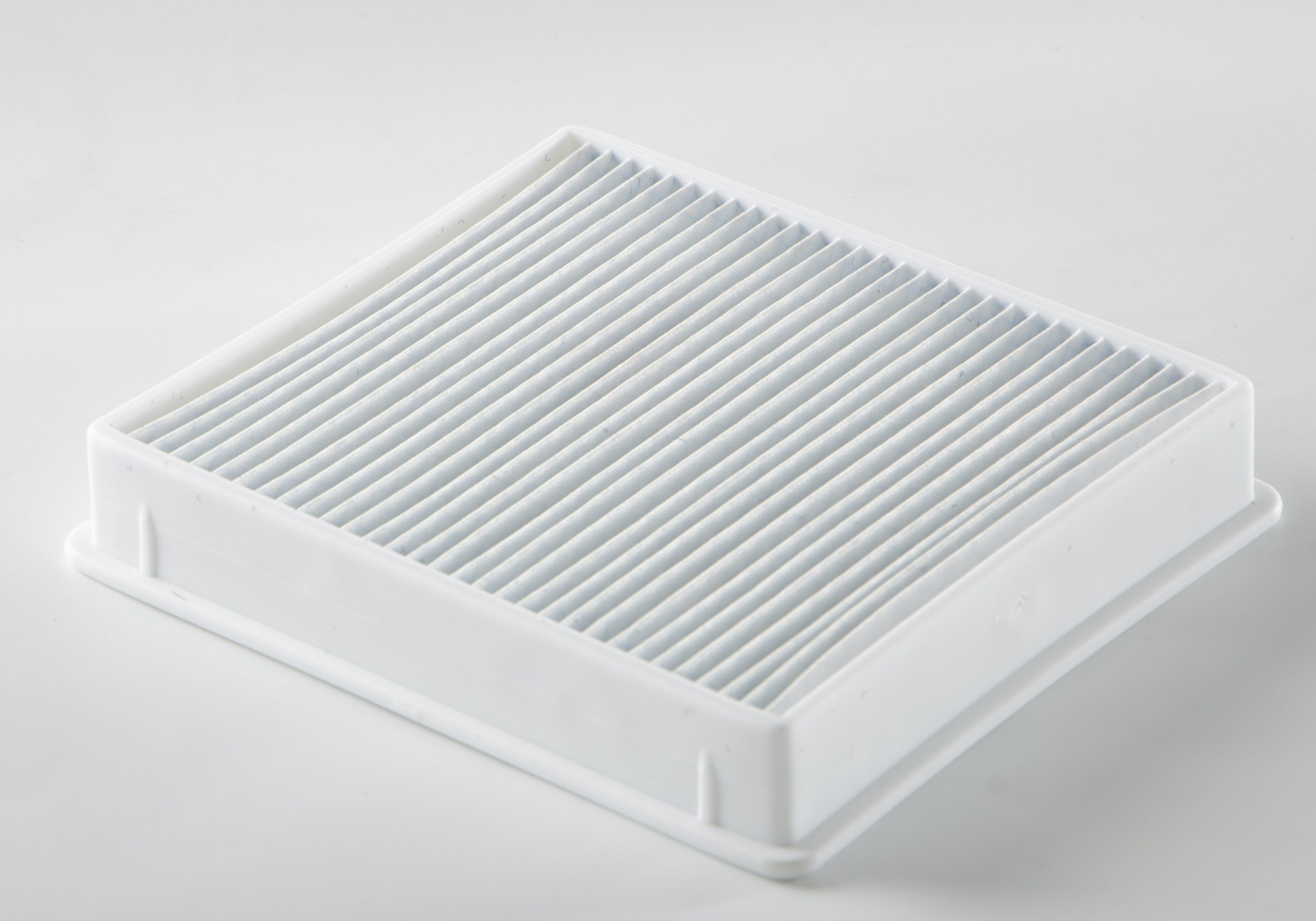
- Replace or clean the air filter as recommended.
- Keep supply and return vents open and unobstructed.
- Maintain clear space around indoor and outdoor equipment.
- Schedule service when performance or operating sounds change.
How to Choose the Right Heating System
Start by deciding whether you are replacing only the heater or the entire HVAC system. Then compare the projected operating costs, installation requirements, comfort characteristics, and maintenance needs of each option.
Before making the final choice, request a professional assessment that includes:
- A heating and cooling load calculation
- An inspection of the ductwork and airflow
- A review of electrical or fuel requirements
- Clear equipment and warranty recommendations
For many Tampa homes, a heat pump is the leading choice because it efficiently handles both heating and cooling. A furnace may still be right for a home with compatible equipment, existing fuel access, or a household preference for hotter supply air.
Get Help Comparing Your Tampa Heating Options
Choosing between a heat pump and furnace is easier when you have information specific to your property. ACS Home Services can inspect your current system, explain your repair and replacement options, and help you compare equipment without reducing the decision to a single efficiency rating.
Call (833) 278-8886 or contact ACS Home Services to schedule an HVAC evaluation. You can also visit the ACS Home Services Google Maps profile for location and customer information.
FAQ
Is a Heat Pump Better Than a Furnace in Florida?
A heat pump is often a strong choice for Florida because it provides heating and cooling in one system and works efficiently during mild winter weather. A furnace can still be appropriate when a home already has compatible cooling equipment or the homeowner prefers the feel of hotter supply air.
Can a Heat Pump Keep My Home Warm During a Tampa Cold Snap?
Yes, a properly sized and maintained heat pump can usually keep a Tampa home comfortable during typical winter conditions. Some systems also include auxiliary heat for periods when the heat pump needs additional support.
Does a Heat Pump Replace My Air Conditioner?
Yes. A heat pump cools the home during summer and reverses its operation to provide heat during winter. It looks and operates much like a central air conditioner while in cooling mode.
Is a Gas Furnace Cheaper to Operate Than a Heat Pump?
Not necessarily. Operating costs depend on equipment efficiency, current utility rates, outdoor temperatures, system condition, and household usage. A contractor can compare estimated costs using equipment suited to your home rather than relying on general averages.
Which System Lasts Longer, a Furnace or a Heat Pump?
Service life varies based on installation quality, maintenance, operating hours, environment, and equipment design. A heat pump may accumulate more annual runtime because it handles both heating and cooling, while a furnace in Tampa may operate only during part of the year.
Can I Replace a Furnace With a Heat Pump?
In many homes, yes. The project may require electrical upgrades, refrigerant lines, changes to indoor equipment, or ductwork improvements. A site inspection is needed to determine which components can remain and which must be replaced.
Should I Repair My Current Heater or Replace It?
Repair may make sense when the system is otherwise dependable and the problem involves a replaceable component. Replacement becomes more attractive when equipment is inefficient, unreliable, poorly sized, or facing an expensive repair near the end of its expected service life.
What Size Heat Pump or Furnace Does My Home Need?
The correct size should be determined through a heating and cooling load calculation. Square footage alone does not account for insulation, windows, air leakage, ceiling height, orientation, occupancy, and other factors that affect the home’s needs.