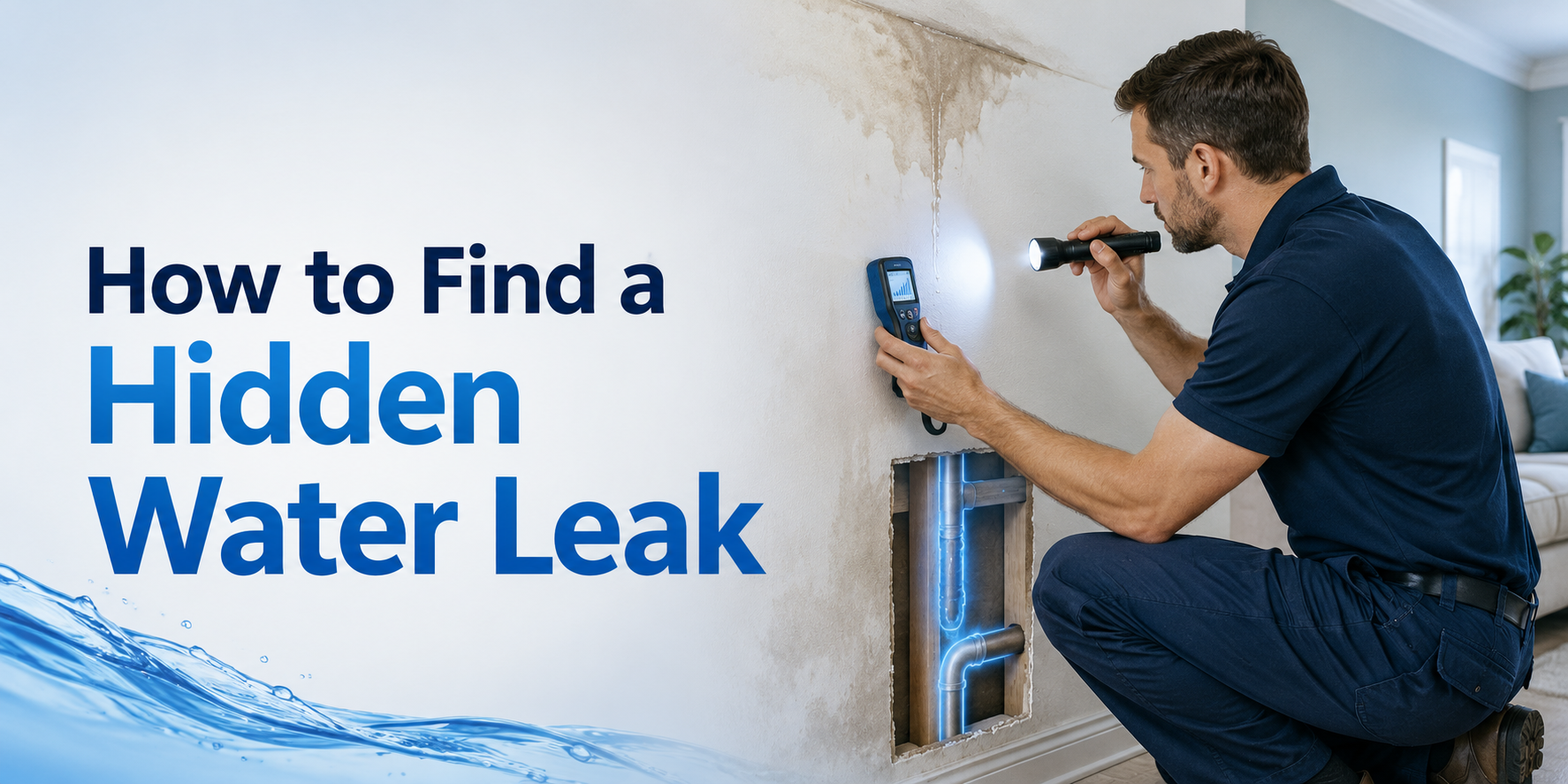


A high water bill in Tampa usually traces back to a hidden leak, a fixture that keeps running, or a shift in how your household uses water. This guide covers the most common causes, a quick meter test you can do on your own, and the signs that it’s time to bring in a licensed plumber.
Start by Comparing Your Recent Bills
Before hunting for leaks, pull up your last several statements and look at the gallons used, not only the dollar amount. Rates and fees can change, so usage tells you more about what is happening inside your home.
Compare the same month from last year if you can. Tampa summers bring heavier irrigation and more showers after long days outside, so a seasonal bump is normal. A sudden jump with no change in your routine is the one worth investigating.
Hidden Leaks Are the Most Common Culprit
According to the EPA’s WaterSense program, household leaks can waste close to 10,000 gallons of water a year in the average home. Many of those leaks are silent, slow, and tucked out of sight.
Running Toilets
A running toilet is one of the biggest water wasters in any house. A worn flapper or a fill valve that never fully shuts off can send hundreds of gallons down the drain each day without much noise.
Try the dye test. Put a few drops of food coloring in the tank, wait about 15 minutes without flushing, and check the bowl. Color in the bowl means water is leaking through.
Dripping Faucets and Showerheads
A faucet that drips once per second might seem harmless. Over a month, that steady drip adds up to a noticeable amount on your bill, and it often points to a worn cartridge or washer that’s easy to replace.
Slab Leaks Under Florida Homes
Many Tampa Bay homes sit on concrete slabs with water lines running underneath. When one of those lines cracks, water escapes into the soil below your floor. A slab leak can run for weeks before you spot it.
Watch for these warning signs:
- Warm spots on tile or flooring, which can mean a hot water line is leaking
- The sound of running water when every fixture is off
- Damp carpet, cracked flooring, or mildew smells with no obvious source
- Water pressure that drops for no clear reason
Irrigation and Outdoor Lines
Sprinkler systems are a frequent source of waste in Central Florida. A broken head, a stuck valve, or a cracked buried line can leak around the clock. Walk your yard while the system runs and look for geysers, soggy patches, or spots where the grass is unusually green.
How to Check Your Water Meter for Leaks
Your water meter is one of the best tools for confirming a leak. This test takes only a couple of hours and doesn’t require any special equipment.
- Turn off every faucet, appliance, and irrigation zone in and around your home.
- Find your meter, usually in a ground box near the street or sidewalk.
- Look for the small leak indicator, often a triangle or star-shaped dial, and see if it’s spinning.
- Write down the full meter reading.
- Wait two hours while making sure nobody uses any water.
- Read the meter again. If the number changed, water is escaping somewhere.
If the meter moves, close the main shutoff valve to your house and check again. When the meter still moves with the house shut off, the leak is likely in the line between the meter and your home.
Water Heater Problems That Waste Water
Your water heater can quietly add to your bill. A failing temperature and pressure relief valve may drip into a drain line you never look at. Tanks that are near the end of their life can also leak from the bottom as the lining corrodes.
Check the area around your heater for puddles, rust, or moisture. If your tank is more than 10 years old and showing these signs, it’s a good time for a professional inspection.
Hard Water and Aging Pipes
Water in the Tampa Bay area tends to carry a good amount of minerals. Over time, hard water wears down toilet flappers, fill valves, and faucet parts faster than you might expect, and worn parts are more likely to leak.
Older homes may also have galvanized steel or polybutylene pipes. These materials break down with age and can develop pinhole leaks inside walls. If your home has repeated leaks, repiping may save money in the long run.
Everyday Habits That Add Up
Sometimes the cause isn’t a leak at all. A change in your household can raise your usage more than you’d think:
- Guests staying for the holidays or a new family member at home
- Filling or topping off a pool during the dry season
- Adding new landscaping that needs extra watering
- Running the dishwasher or washing machine more often
When to Call a Plumber
Some leaks are simple fixes you can handle on your own. Others need professional tools and training to find. It’s time to call for help when you notice:
- A meter test that shows water moving with everything off
- Signs of a slab leak, like warm floors or unexplained moisture
- A bill that stays high after you’ve fixed toilets and faucets
- Water stains on walls or ceilings
Our licensed plumbers use leak detection equipment and sewer camera inspections to pinpoint problems without tearing up your home. Learn more about our plumbing services and our sewer and drain services.
Simple Ways to Keep Your Water Bill Down
Once any leaks are repaired, a few small changes can help keep your bill steady year round:
- Swap in WaterSense labeled toilets, faucets, and showerheads.
- Run your sprinklers early in the morning when less water evaporates.
- Replace toilet flappers every few years, especially with hard water.
- Check your meter every few months for hidden movement.
- Schedule an annual plumbing inspection to catch small issues early.
- Only wash full loads in the dishwasher and washing machine.
Let ACS Home Services Find the Leak
A surprise water bill is frustrating, but you don’t have to track down the cause alone. With more than 30 years serving Central Florida, our licensed, background-screened technicians know how to find leaks fast and fix them right. Our People Make the Difference.
Call us at (833) 903-5299 or contact us online to schedule service. You can also find us on Google Maps at ACS Home Services.
FAQ
Why did my water bill double suddenly?
A sudden spike usually points to a running toilet, a broken irrigation line, or a hidden leak. Start with the meter test above, and call a plumber if water keeps moving with everything turned off.
Can a running toilet really raise my bill that much?
Yes. A toilet that runs nonstop can waste hundreds of gallons a day. Over a full billing cycle, that alone can make a big difference on your statement.
How do I know if I have a slab leak?
Common signs include warm spots on the floor, the sound of running water when nothing is on, and moisture or mildew with no clear source. A plumber can confirm it with professional leak detection equipment.
Is the leak my responsibility or the city's?
In most cases, homeowners are responsible for pipes on their side of the meter. Leaks between the meter and the main line in the street are typically handled by the utility. Your water provider can confirm where that line is for your property.
Does hard water cause leaks?
Hard water doesn’t usually cause leaks on its own. It does wear out rubber seals, flappers, and valves faster, which makes leaks more likely over time.
Can my sprinkler system cause a high water bill?
Absolutely. Broken heads, stuck valves, and underground line breaks are common in Tampa yards. Check your system regularly and adjust your watering schedule with the seasons.
How long does professional leak detection take?
Most leak detection visits take a few hours, depending on your home’s size and the type of leak. Using specialized tools helps our plumbers locate the problem with minimal disruption.
Can I get a credit for water lost to a leak?
Some utilities offer bill adjustments after a leak is repaired. Keep your repair invoice and reach out to your water provider to ask about their policy.