

A summer thunderstorm can turn a normal Tampa afternoon into a power-surge risk in minutes. Add year-round humidity, salt air near the coast, heavy AC use, and homes with aging electrical equipment, and electrical safety deserves more than a quick glance at the breaker panel. This Florida homeowner electrical safety guide focuses on the warning signs and habits that help protect your family, your home, and the systems you rely on every day.
Start With the Electrical Problems You Can See and Hear
Electrical trouble often gives homeowners an early warning. A breaker that trips once after an obvious overload may not be a major concern. A breaker that trips repeatedly, however, is doing its job by interrupting a potentially unsafe condition. Resetting it over and over can mask a wiring, appliance, or circuit problem that needs professional diagnosis.
Pay attention to outlets and switches that feel warm, make buzzing or crackling sounds, spark, smell burnt, or show brown or black discoloration. These signs can point to loose connections, overloaded wiring, or failing components. Do not keep using the outlet to see whether the problem returns. Turn off power to the circuit if you can do so safely, unplug connected devices, and arrange for an electrician to inspect it.
Flickering lights deserve context. One light that flickers because of a loose bulb is usually a simple fix. Lights that dim when the AC starts, flicker throughout several rooms, or change brightness without explanation may indicate a circuit or service issue. In a Florida home, where air conditioning runs hard for much of the year, electrical demand can expose weaknesses that were not obvious during milder weather.
Keep Water and Electricity Strictly Separate
Florida homeowners deal with water from every direction: afternoon rain, hurricane conditions, pool areas, irrigation systems, plumbing leaks, and high indoor humidity. Water and electricity are a dangerous combination, even when the amount of water seems minor.
Ground-fault circuit interrupter outlets, commonly called GFCIs, are designed to cut power quickly when they detect an imbalance in electrical current. They are especially critical in bathrooms, kitchens, garages, laundry areas, outdoor spaces, crawl spaces, and near pools or spas. Test GFCI outlets using the built-in test and reset buttons according to the manufacturer’s instructions. If an outlet will not reset, trips repeatedly, or has no power after a reset, do not bypass it or replace it with a standard outlet.
If water reaches an outlet, power strip, electrical panel, or appliance during a leak or flood, stay clear of the area if standing water is present. Never step into water to unplug equipment. If it is safe to reach the main electrical disconnect without approaching water, turn off power. Otherwise, contact emergency help and a qualified electrician. Once the area is dry, affected electrical equipment may still need inspection before it is used again.
Outdoor outlets should have weather-resistant covers that keep moisture out even when something is plugged in. This detail matters during wind-driven rain, especially on patios, lanais, and exterior walls. Extension cords are not a substitute for permanent outdoor wiring.
Treat Extension Cords as Temporary Tools
Extension cords are useful for a short-term task, not for permanent power. Running one behind furniture, under a rug, through a doorway, or along a walkway creates risks that range from overheating to damaged insulation and trip hazards.
A heavy-duty cord does not solve every problem. The cord must be rated for the appliance’s load and for indoor or outdoor use as appropriate. High-demand equipment such as portable AC units, refrigerators, microwaves, space heaters, power tools, and sump pumps should plug directly into a properly grounded wall outlet whenever possible.
Power strips can be helpful for low-draw electronics, but they are not designed to support multiple high-wattage appliances at once. Avoid plugging one power strip into another, a practice called daisy-chaining. If your home routinely depends on cords and power strips because outlets are scarce, adding professionally installed outlets is safer and far more convenient.
Respect Your Electrical Panel
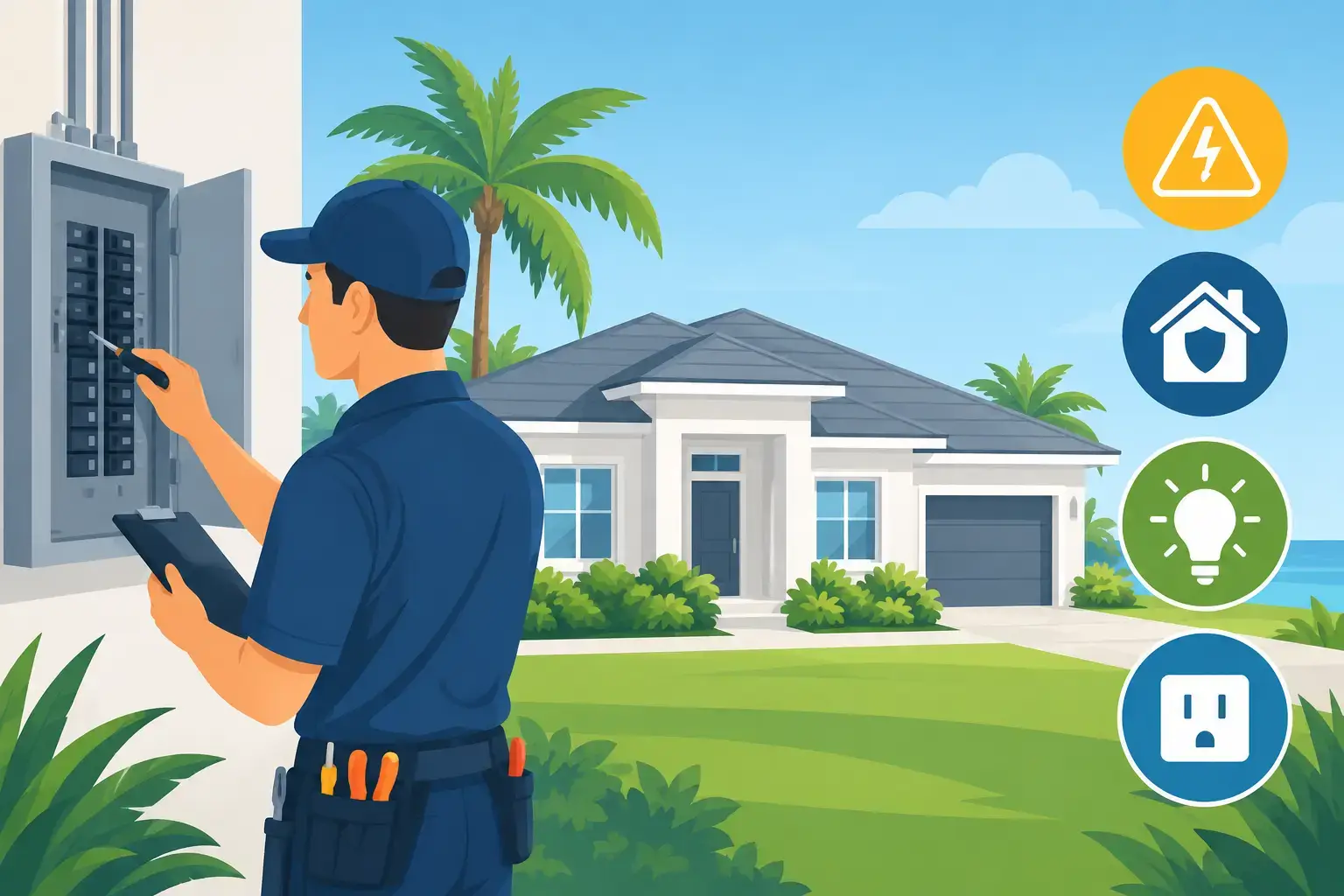
Your electrical panel is the control center for your home’s circuits. It should be easy for adults in the household to locate, access, and understand in an emergency. Keep the space around it clear. Storage boxes, shelving, and household clutter can slow down access when a breaker needs to be shut off quickly.
Labels should identify what each breaker controls. Vague labels such as “bedroom” or “lights” can create confusion when several rooms share circuits. Clear labels are especially helpful for property managers, guests, and family members who may need to respond during an emergency.
Never remove the panel cover or attempt repairs inside the panel unless you are a qualified electrical professional. Even when a main breaker is off, parts of the equipment can remain energized. Rust, corrosion, heat marks, buzzing, a burning odor, loose breakers, or a panel that feels warm all warrant a professional evaluation.
Older homes may also have panels or wiring that were not designed for modern electrical use. Today’s homes often support large HVAC systems, electric ranges, vehicle chargers, home offices, entertainment equipment, and more. A panel upgrade is not automatically necessary because a home is older. It depends on capacity, condition, safety findings, and planned electrical additions. An electrician can assess those factors and explain practical options.
Prepare for Florida Storms and Power Surges
Lightning and utility disruptions can damage sensitive electronics and strain electrical systems. Plug-in surge protectors offer a useful layer of protection for computers, televisions, routers, and similar devices, but they cannot protect every circuit or appliance in the home. A whole-home surge protection solution at the panel can provide broader protection, particularly in areas with frequent storms.
The best approach depends on the home and what you want to protect. Many homeowners benefit from both whole-home protection and quality point-of-use surge protectors for sensitive electronics. If a severe storm is approaching, avoid using corded electrical equipment and stay away from electrical systems if water intrusion is happening.
After a storm, inspect outdoor equipment visually before using it. Look for downed lines, damaged service equipment, standing water near electrical components, and broken covers. Stay far away from fallen utility lines and assume they are energized. Report them to the utility company or emergency services rather than trying to move debris yourself.
Use Generators With a Plan, Not Improvisation
A generator can make a prolonged outage more manageable, but incorrect use can create carbon monoxide, fire, and electrical hazards. Portable generators must run outdoors, far from doors, windows, vents, and attached garages. Never operate one inside a garage, even with the door open.
Do not connect a portable generator directly to a wall outlet. This dangerous practice, often called backfeeding, can energize utility lines and endanger utility workers, neighbors, and your home. A properly installed transfer switch or approved interlock system allows a generator to power selected circuits safely.
Before hurricane season, decide which essentials matter most: refrigeration, a few lights, internet equipment, medical equipment, or a limited number of outlets. A professionally designed standby generator system may make sense for households that need more consistent backup power, but the right size and setup depend on the home’s electrical load and priorities.
Know When an Electrical Issue Is an Emergency
Call for immediate professional help if you smell burning insulation, see smoke or sparks from an outlet or panel, hear persistent arcing or loud buzzing, experience repeated breaker trips, or lose power to part of the home without a known utility outage. If there is an active fire or immediate threat to life, call 911 first.
For less urgent concerns, schedule service before a small issue becomes a disruptive repair. That includes outdated two-prong outlets, missing GFCI protection, loose outlets, inadequate exterior lighting, frequent reliance on extension cords, or plans to add an EV charger, hot tub, pool equipment, or major appliance. Electrical improvements are easier to plan when they are not happening in the middle of an outage or a storm.
ACS Home Services helps Central Florida homeowners address electrical concerns with clear recommendations and trained technicians, from panel evaluations and wiring repairs to surge protection and generator-ready solutions. Same-day availability can help when an electrical problem cannot wait.
A safer electrical system starts with paying attention to changes that feel easy to dismiss. If an outlet is warm, a breaker keeps tripping, or storm season has exposed a weak spot in your home’s power, trust that signal and have it checked before it becomes the reason your household loses comfort, safety, or peace of mind.