

Garbage disposal not working? Start by checking the power supply, reset button, circuit breaker, and disposal chamber for a possible jam. Some problems have simple solutions, but persistent clogs, leaks, electrical issues, and damaged components should be handled by a professional plumber.
A garbage disposal that suddenly stops working can make cleaning the kitchen difficult. It may also leave standing water, food debris, or unpleasant odors in your sink.
The sound the disposal makes, or the lack of sound, can provide important clues. Before scheduling a repair, use these troubleshooting steps to better understand what may be wrong.
Make Safety Your First Priority
Turn off the garbage disposal before inspecting it. Switch it off at the wall and disconnect its power cord if you can reach the outlet safely. If the disposal is hardwired, turn off the appropriate circuit breaker.
Never put your hand inside the disposal chamber, even when the switch is off. The grinding components may move unexpectedly, and sharp debris could be hidden inside.
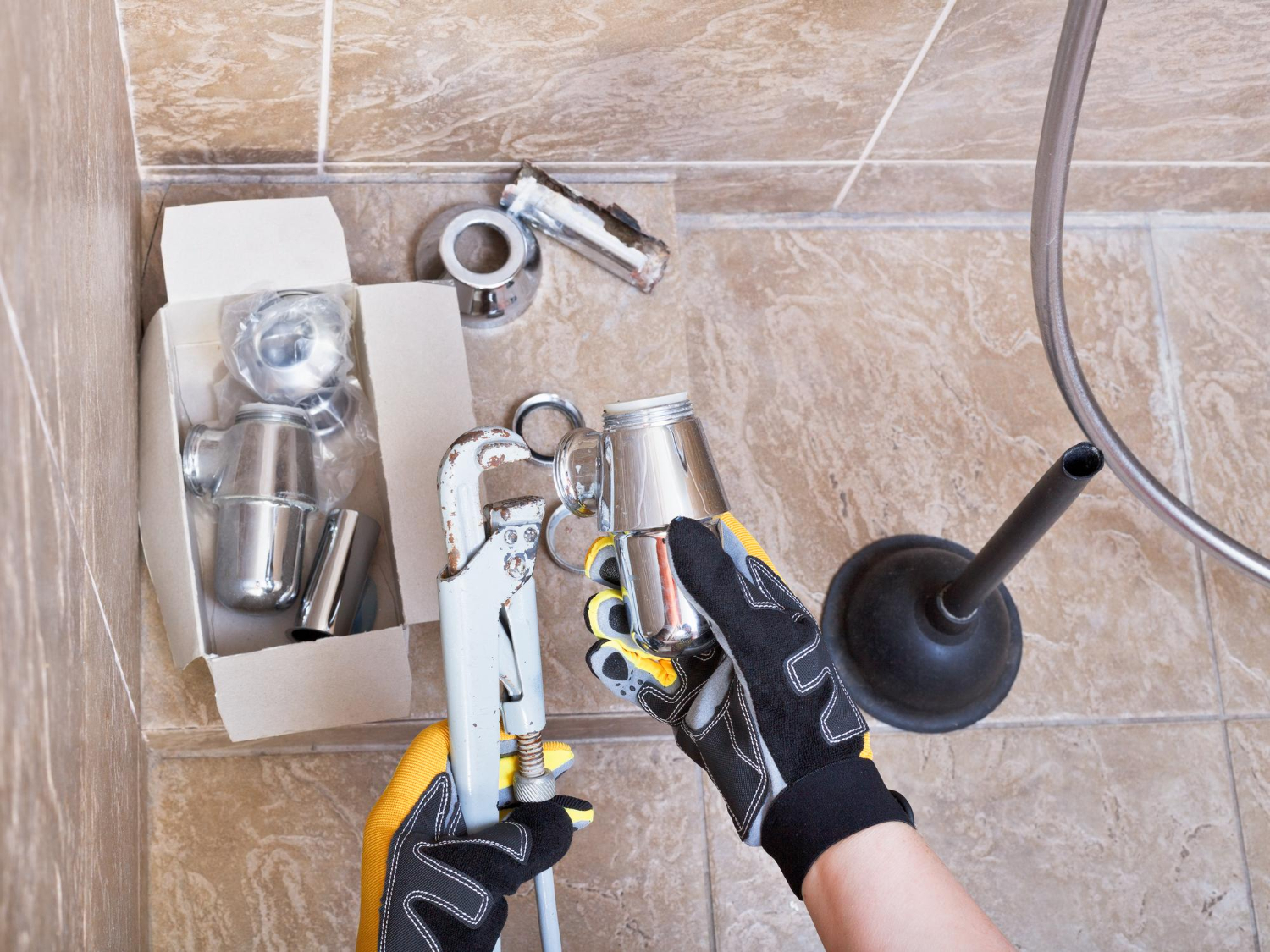
For a safer inspection, you may need:
- A flashlight
- Needle-nose pliers or kitchen tongs
- A garbage disposal wrench or a correctly sized Allen wrench
- A bucket and absorbent towels
If you smell burning, see damaged wiring, or notice water near an electrical connection, stop troubleshooting. Those signs require professional attention.
Check Whether the Garbage Disposal Has Power
If the disposal makes no sound when you flip the switch, it may not be receiving electricity. Check the plug under the sink to make sure it has not become loose or disconnected.
You should also inspect the electrical panel. A tripped circuit breaker may sit between the fully on and fully off positions. Move the breaker completely to the off position before switching it back on.
Some kitchen outlets are protected by a ground fault circuit interrupter, commonly called a GFCI. Look for an outlet with “test” and “reset” buttons nearby. Press the reset button once if it has tripped.
Stop and contact a professional if:
- The breaker trips again immediately
- The outlet feels unusually warm
- You see discoloration around the outlet
- The disposal produces a burning smell
Repeated electrical interruptions are not normal. They may indicate a problem with the disposal motor, switch, outlet, or household wiring.
Try the Garbage Disposal Reset Button
Most garbage disposals have a small reset button on the bottom of the unit. This overload protector shuts the motor off when it becomes too hot or encounters too much resistance.
Turn off the disposal and wait several minutes for the motor to cool. Locate the button underneath the unit and press it gently. If it has tripped, you may feel it click into place.
Restore power and briefly test the disposal. If the reset button pops out again, the disposal may still be jammed or the motor may be failing.
Do not keep pressing the reset button and restarting the unit. Repeated attempts can overheat the motor and make the underlying problem worse.
Listen for Humming or Buzzing
A disposal that hums without grinding is usually receiving power, but its internal plate cannot rotate. Food scraps, utensils, broken glass, or other debris may be preventing movement.
Turn off the power before doing anything else. Shine a flashlight into the opening and look for visible objects. Use pliers or tongs to remove accessible debris without reaching into the chamber.
Many disposals have a hex-shaped opening on the bottom. Insert the manufacturer-provided disposal wrench or a suitable Allen wrench and move it back and forth. This may free the rotating plate.
Once it moves freely:
- Remove the wrench
- Check the chamber again with a flashlight
- Restore the power
- Run cold water before testing the unit briefly
If the disposal continues to hum, turn it off. The motor or another internal component may need professional repair or replacement.
Look for a Clogged Sink or Drain Line
Sometimes the disposal runs, but water remains in the sink. This often means the problem is located in the drain line rather than the disposal motor.
Food residue can build up inside the disposal outlet, sink trap, or nearby drainpipe. Grease and starchy foods are especially likely to create dense blockages that restrict water flow.
Common signs of a kitchen drain clog include:
- Water draining slowly after the disposal runs
- Standing water in one or both sink basins
- Water backing up into the other side of a double sink
- Gurgling noises from the kitchen drain
A sink plunger may loosen a minor blockage. If you have a double sink, seal the second drain opening before plunging so you can create enough pressure.
Avoid pouring chemical drain cleaners into a garbage disposal. The chemicals may remain trapped in standing water, damage plumbing components, or expose anyone working on the drain to hazardous liquid.
If the blockage remains, professional drain cleaning services can clear the line and determine whether grease, food waste, or another obstruction caused the problem.
Check for Leaks Around the Disposal
A leaking garbage disposal may appear to be a simple plumbing problem, but the location of the water matters. Place a bucket beneath the unit and dry the surrounding area so you can identify where fresh water emerges.
Leaks commonly develop around:
- The sink flange at the top of the disposal
- The dishwasher hose connection
- The drainpipe connection
- The bottom of the disposal housing
A loose drain connection or hose clamp may be repairable. Water leaking from the bottom of the disposal often indicates a failed internal seal or cracked housing. In that situation, replacing the unit is usually more practical than attempting an internal repair.
Do not operate a leaking disposal if water could reach the outlet, wiring, or motor. Turn off its power and arrange for an inspection.
Consider What Went Into the Garbage Disposal
Garbage disposals are designed to process small amounts of appropriate food waste. They are not meant to replace a trash can, and certain materials can quickly cause jams or drain blockages.
Avoid putting these items into your disposal:
- Cooking grease, fat, or oil
- Fibrous scraps such as celery stalks and corn husks
- Large amounts of pasta, rice, or potato peels
- Bones, shells, and hard fruit pits
- Coffee grounds in large quantities
- Metal, glass, plastic, or paper
Run cold water while using the disposal and continue the water for several seconds after grinding stops. Cold water helps keep grease more solid so it can move through the drain instead of coating the pipe.
Feed waste into the disposal gradually. Overloading the chamber can stall the motor and force too much debris into the drain at once.
When Should You Call a Plumber?
A reset button or visible obstruction may be easy to address. Problems involving electrical components, recurring clogs, hidden leaks, or damaged plumbing connections require a more careful diagnosis.
Schedule professional service when:
- The disposal has power but will not run
- The motor continues humming after the chamber is cleared
- The reset button or breaker repeatedly trips
- Water backs up after basic troubleshooting
- The disposal leaks from its housing
- You hear grinding, rattling, or metal-on-metal sounds
- The unit produces a persistent burning odor
- The same problem keeps returning
A professional can determine whether the disposal should be repaired, replaced, or removed to access a clogged drain. ACS Home Services provides comprehensive plumbing services for kitchen plumbing problems, including disposal connections, leaking pipes, and stubborn drain blockages.
Get Help With a Broken or Clogged Garbage Disposal
A malfunctioning disposal can quickly interfere with everyday kitchen use. Addressing the problem early may help prevent standing water, cabinet damage, and a more serious drain obstruction.
For professional help, call ACS Home Services at (833) 278-8886 or request plumbing service online. You can also visit the Google Maps profile for ACS Home Services to view location and business information.
FAQ
Why did my garbage disposal suddenly stop working?
A garbage disposal may stop because it lost power, tripped its overload protector, overheated, or became jammed. Check the plug, circuit breaker, GFCI outlet, and reset button before testing the unit again.
Where is the reset button on a garbage disposal?
The reset button is usually located on the bottom of the disposal housing. It is often a small red or black button. Turn off the disposal and let the motor cool before pressing it.
Why does my garbage disposal hum but not spin?
Humming usually means the motor has power but the rotating plate is jammed. Turn off the power, inspect the chamber with a flashlight, and use the proper disposal wrench to free the mechanism. Stop if the unit continues humming.
Can I put my hand inside a garbage disposal if it is turned off?
No. Never place your hand inside a garbage disposal. Sharp debris may be present, and the internal components could move unexpectedly. Use pliers or tongs to retrieve visible objects after disconnecting the power.
Why is water backing up into my sink when the disposal runs?
Water backup usually points to a blockage in the disposal outlet, sink trap, or kitchen drain line. If plunging does not restore drainage, a plumber can locate and clear the obstruction safely.
Should I use chemical drain cleaner in a garbage disposal?
It is best to avoid chemical drain cleaners. They may damage components, remain trapped in standing water, and create a safety hazard for anyone who later opens the plumbing system.
Why is my garbage disposal leaking from the bottom?
A leak from the bottom often indicates a failed internal seal or damaged disposal housing. These internal failures generally require disposal replacement. Turn off the power if water is near any electrical connection.
Is it better to repair or replace a garbage disposal?
The answer depends on the unit’s age, condition, and type of failure. A loose connection or simple jam may be repairable. Replacement may be the better option when the motor has failed, the housing leaks, or the disposal has recurring problems.