

A Florida AC system can run for most of the year, moving a large volume of air through the same indoor equipment day after day. That raises a reasonable question for homeowners concerned about musty odors, allergy symptoms, or microbial growth: does UV light help air quality? It can help in a specific way, but it is not a standalone answer to every indoor air concern.
UV light installed inside an HVAC system is designed to reduce certain microorganisms on surfaces or in moving air. The right system, properly placed and maintained, can be a valuable layer of an indoor air quality plan. Still, better air depends on several connected factors, including filtration, humidity control, ventilation, duct condition, and the source of the pollutant.
Does UV Light Help Air Quality? The Short Answer
HVAC ultraviolet light can help improve air quality by damaging the DNA or RNA of some microorganisms, such as mold, bacteria, and viruses. This limits their ability to reproduce. In a home air conditioning system, UV lamps are most often installed near the indoor evaporator coil and drain pan, where cool, damp conditions can support biological growth.
That distinction matters. A UV system is particularly useful for keeping microbial growth off the coil and other wet HVAC components. A cleaner coil can support better system performance and may reduce odors associated with buildup. However, UV light does not physically remove dust, pollen, pet dander, smoke particles, or many chemical gases from your air.
For Tampa-area homes, where high outdoor humidity puts added strain on cooling systems, coil-mounted UV lights can be a sensible consideration. Whether they are worth adding depends on the home’s humidity, HVAC condition, household health concerns, and the rest of the air quality setup.
What an HVAC UV Light Actually Does
There are two common approaches to UV treatment in residential HVAC systems. Both use UV-C energy, the germicidal portion of the ultraviolet spectrum, but they serve different purposes.
Coil Sterilization Lights
A coil light shines continuously on the evaporator coil, drain pan, and nearby interior surfaces. This is the most common residential application because the coil is a known moisture-prone area. Over time, biological buildup on a coil can contribute to a stale smell, restricted airflow, and reduced cooling efficiency.
Because the lamp has prolonged exposure to the coil surface, this type of system can be effective at controlling growth in that location. It does not mean every microbe entering your home is eliminated, but it addresses an area where growth can occur inside the HVAC system itself.
In-Duct Air Treatment Lights
In-duct systems are positioned so light reaches air as it passes through the ductwork or air handler. They may reduce certain airborne microorganisms, but performance depends heavily on exposure time, lamp intensity, airflow speed, and installation location. Air moves quickly through most residential systems, so a single pass by a lamp may not provide the same level of treatment as continuous exposure on a coil.
This is why product claims should be evaluated carefully. A trained HVAC technician can explain what a particular UV system is designed to address rather than promising it will sanitize the entire home.
What UV Light Will Not Fix
UV light has limits, and knowing them helps homeowners spend money where it will make the biggest difference. It is not an air filter. It will not capture visible dust, pet hair, pollen, or fine particles that can aggravate allergies and asthma. It also does not correct a dirty duct system, a clogged filter, or a return-air leak pulling dusty attic air into the system.
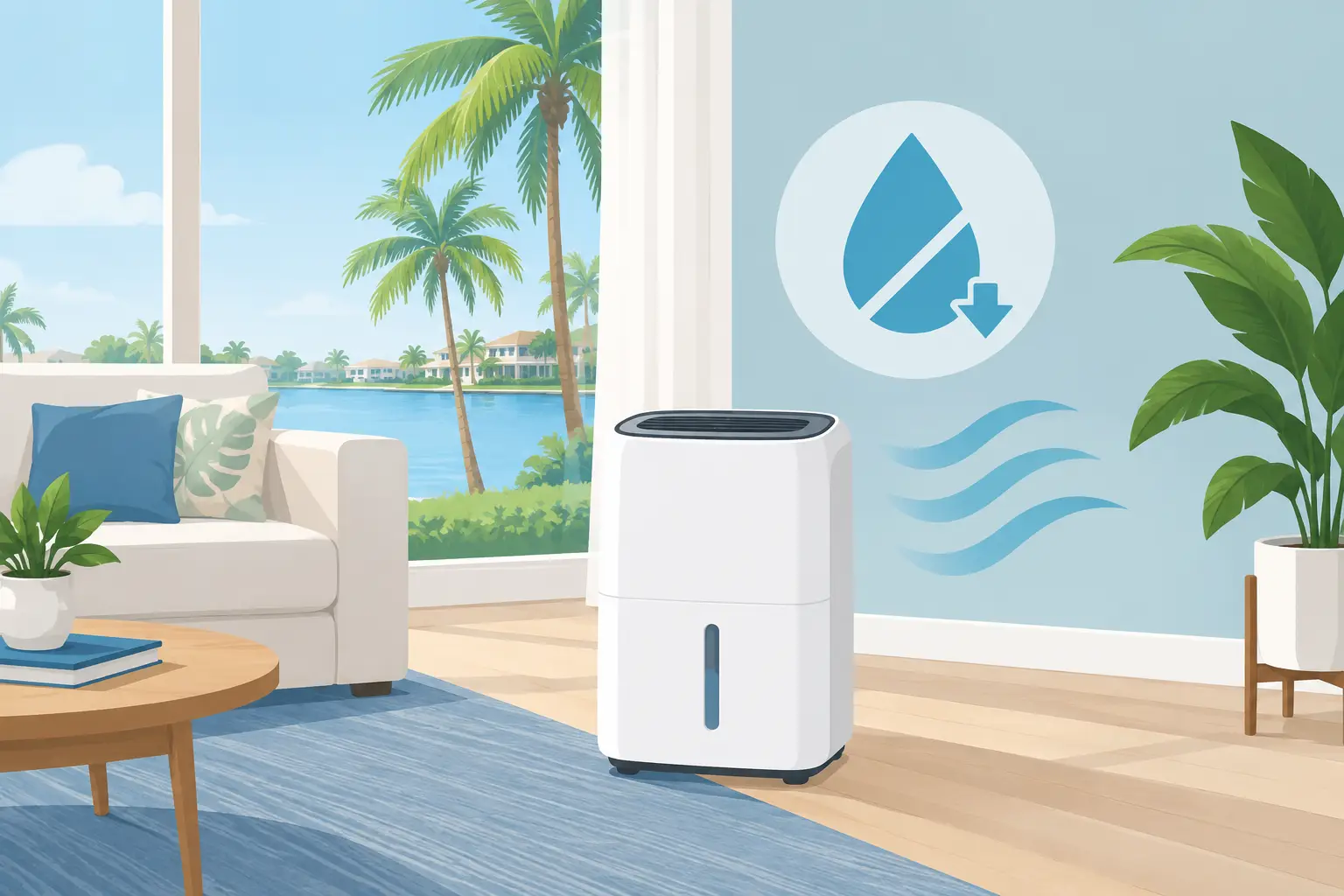
It is also not a substitute for managing humidity. Florida homes often need reliable dehumidification to prevent moisture problems. If indoor humidity stays high because of an oversized AC unit, poor drainage, duct leaks, or ventilation issues, a UV light alone will not solve the conditions that allow mold and mildew to thrive.
Odors require the same practical thinking. A UV light may help if an odor is coming from biological buildup on the evaporator coil. It will not remove the smell of tobacco, cooking, new furnishings, cleaning products, or a plumbing issue. The source must be identified first.
The Better Approach: Build Layers of Protection
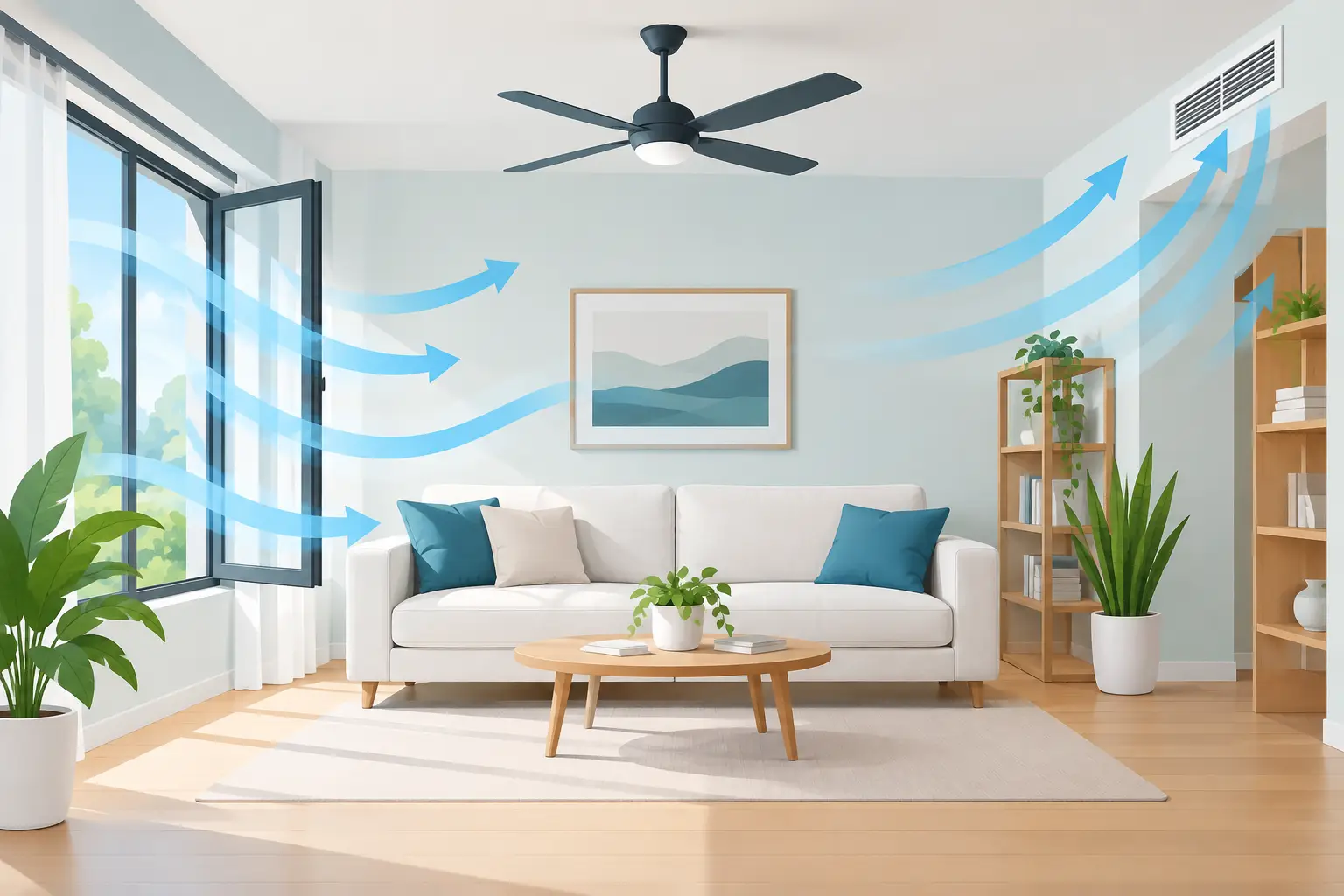
The most effective indoor air quality plan starts with the basics and adds equipment only where it makes sense. For many households, a clean, correctly sized HVAC filter and routine AC maintenance provide a bigger immediate benefit than adding specialty equipment to a neglected system.
A well-rounded plan may include these measures:
- Use the filter type recommended for your HVAC system and replace it on schedule. A filter that is too restrictive can reduce airflow and create comfort or equipment problems.
- Keep the evaporator coil, condensate drain, and blower components professionally maintained. This supports cooling performance while addressing common moisture-related concerns.
- Maintain indoor humidity at a comfortable, controlled level. In Central Florida, this often means verifying that the AC system is removing moisture properly and considering dedicated dehumidification when needed.
- Address duct leaks, damaged insulation, and return-air issues. Leaky ducts can bring heat, humidity, dust, and contaminants into the conditioned air stream.
- Consider a UV light, higher-efficiency filtration, or other air treatment options after a technician evaluates your system and priorities.
These steps work together. For example, a UV light can keep a coil cleaner, while a quality filter captures particles before they circulate through the home. Neither replaces the other.
When a UV Light May Be Worth It
A UV light can be a practical upgrade if your AC system has a recurring coil-cleanliness issue, a persistent musty smell linked to the air handler, or a home environment where moisture control is especially challenging. It may also appeal to homeowners who want an additional layer of microbial control alongside regular maintenance and filtration.
Families with allergies, asthma, or immune-related health concerns should be especially careful about expectations. Indoor air improvements can support a more comfortable home, but a UV system should not be presented as a medical treatment or a guarantee against illness. For specific health guidance, consult a qualified healthcare professional.
The best candidates are homeowners who already maintain their systems and want to protect an important part of the HVAC equipment. If the system has a dirty coil, drainage problem, failing blower, or serious duct leakage, those underlying repairs should come first.
Installation and Maintenance Matter
A UV lamp must be installed where it can do its intended job without damaging nearby materials or creating service access problems. Some UV exposure can deteriorate certain plastics, wire insulation, or non-UV-rated components over time. Proper lamp selection, placement, and shielding are not details to leave to guesswork.
Bulbs also do not last forever. A lamp may still appear to glow after its germicidal output has dropped below an effective level. Many residential UV lamps need replacement about once a year, although exact schedules vary by product. The HVAC system should be powered down before service, and the light should never be viewed directly.
During an AC maintenance visit, a technician can inspect the coil, drain line, blower, filter setup, and ductwork before recommending a UV solution. That assessment helps determine whether the concern is microbial growth, excess humidity, poor filtration, or something else entirely.
Make the Decision Based on Your Home, Not a Blanket Promise
UV lights can be useful tools, especially in humid Florida HVAC systems where the indoor coil sees a lot of condensation. Their strongest role is controlling biological growth around the air handler, not replacing filters or solving every air quality concern.
If your home has recurring odors, visible buildup near the air handler, allergy concerns, or a system that struggles with moisture, ACS Home Services can help evaluate the full picture. A clear recommendation should account for your equipment, comfort concerns, and the practical improvements that will protect your home’s air and your AC system over the long term.