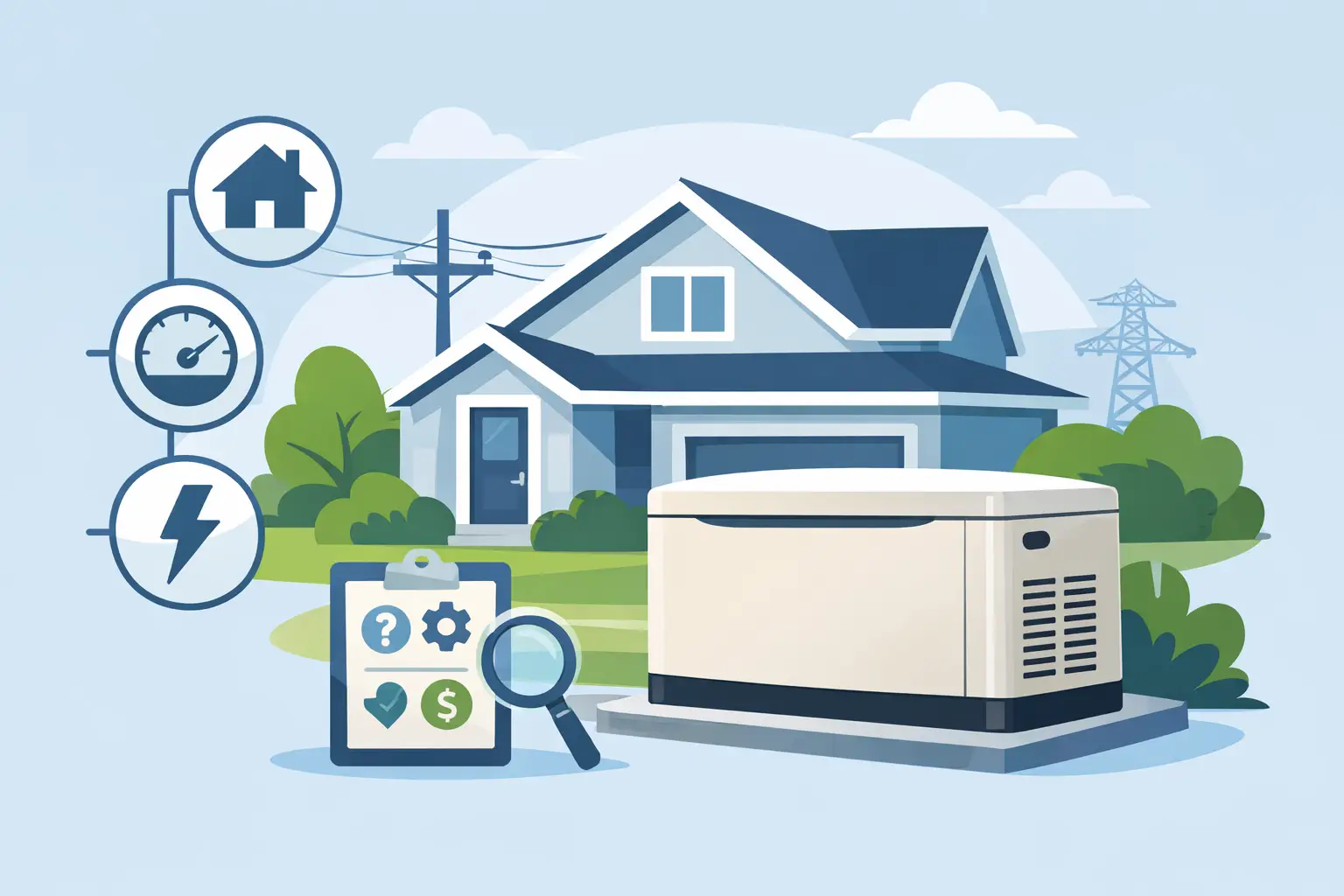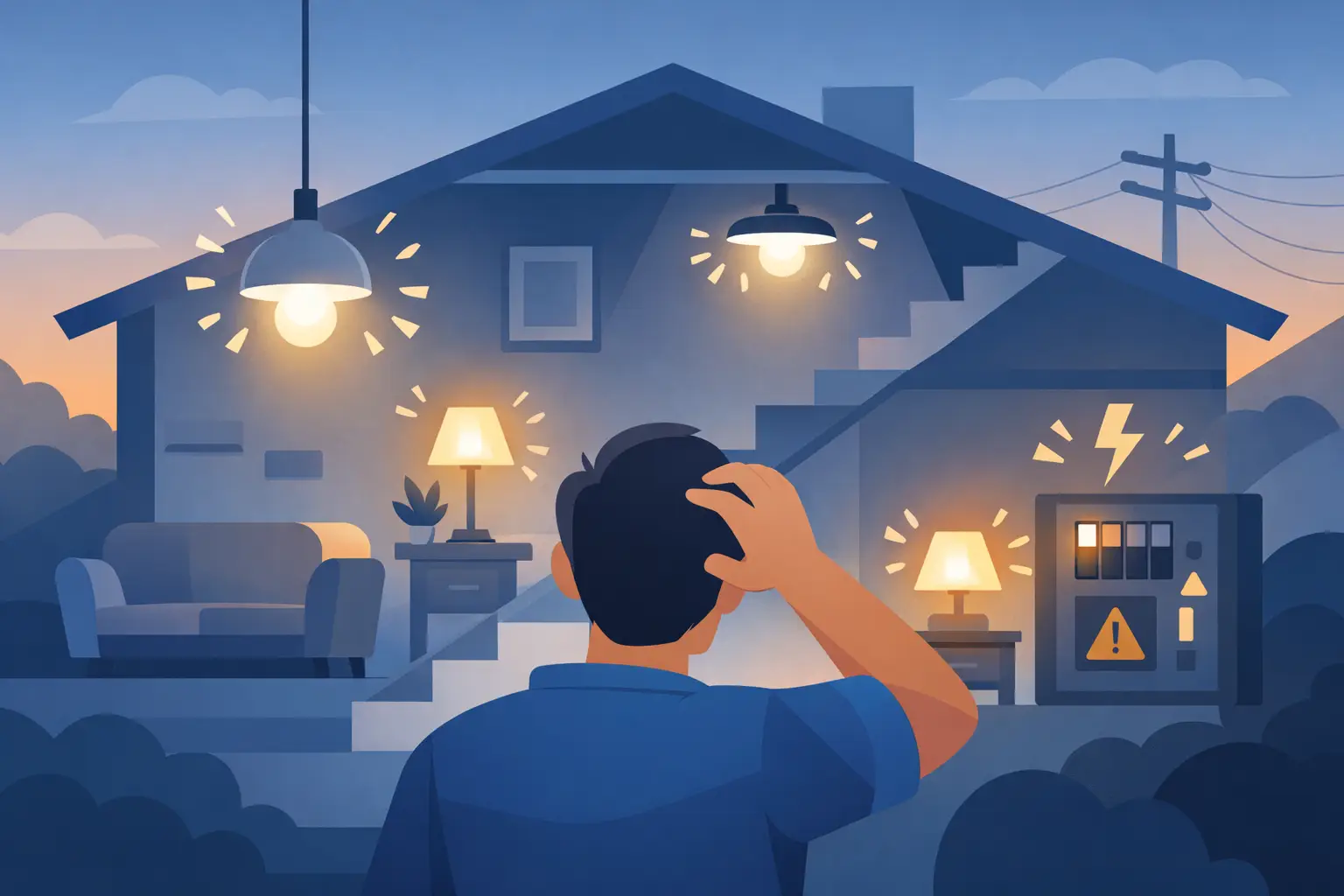

A Florida power outage can turn from inconvenient to uncomfortable fast. Without electricity, your air conditioner stops, refrigerated food is at risk, sump pumps and well pumps may not run, and a home office can go dark. Knowing how to choose standby generator equipment before hurricane season gives your household a more dependable plan when the grid goes down.
A standby generator is not the same as a portable unit. It is permanently installed outside your home, connected to a fuel source, and paired with an automatic transfer switch. When utility power fails, the generator can start automatically and restore power to selected circuits or, in some cases, the entire home. The right choice comes down to what you need to keep running, how your home is configured, and what your electrical system can safely support.
Start With the Appliances You Cannot Go Without
The best generator is not always the largest one. Begin by deciding what power outage looks like in your household and which systems are essential during an extended interruption.
For many Central Florida homeowners, air conditioning is at the top of the list. A refrigerator, freezer, lighting, internet equipment, garage door opener, security system, and a few outlets are also common priorities. Homes with electric water heaters, well pumps, pool equipment, medical equipment, electric ranges, or multiple HVAC systems may have considerably higher power needs.
There are two common approaches. A partial-home standby generator powers a carefully selected group of essential circuits. This option can be a practical fit for homeowners who want to protect food, comfort, communications, and critical equipment while managing the project budget.
A whole-home standby generator is designed to support most or all of the house, including larger loads such as central air conditioning. It offers greater convenience because you do not have to decide which appliances to use during an outage. However, it requires a larger generator, a properly sized transfer switch, and often more fuel capacity.
Think about real-life use, not just a wish list. If your family plans to run the AC, cook with an electric range, charge devices, operate a pool pump, and use a clothes dryer at the same time, the generator must be sized for that demand. If you are comfortable staggering high-draw appliances, a smaller system may serve you well.
How to Choose Standby Generator Size
Generator size is measured in kilowatts, or kW. The right kW rating depends on both running wattage and starting wattage. Some equipment, especially air conditioners, refrigerators, pumps, and motors, needs a larger burst of power to start than it needs to continue running.
This is why adding up appliance labels is not enough. Your electrical panel, HVAC equipment, major appliances, and intended circuits should be evaluated as a complete system. A professional load calculation identifies what will run simultaneously and helps prevent two costly mistakes: installing a generator that cannot handle your priorities or paying for far more capacity than you will use.
As a general example, a smaller standby generator may cover a refrigerator, lights, outlets, and selected essential circuits. Mid-sized systems can often support additional loads and one appropriately matched air conditioning system. Larger whole-home units may be needed for larger homes, multiple AC systems, electric appliances, or households that expect near-normal operation during an outage.
Florida homes also present variables that online sizing calculators cannot fully account for. Older electrical panels, remodeled additions, pool equipment, electric vehicle chargers, and high-efficiency HVAC systems can all affect the recommendation. Your technician should inspect the panel and discuss your actual outage priorities before recommending a generator size.
Do Not Overlook Your Air Conditioner
In Tampa Bay and across Central Florida, keeping at least part of the home cooled is often the difference between riding out an outage comfortably and leaving the house. But air conditioning is one of the largest loads a generator may serve.
The size, age, electrical requirements, and startup demand of your AC system matter. Some homes benefit from equipment or controls that reduce startup demand, allowing a more reasonably sized generator to support the system. This is a conversation worth having with an electrical and HVAC professional, especially if your generator goal is dependable cooling during summer outages.
Choose the Right Fuel Source for Your Property
Most residential standby generators operate on natural gas or propane. Both can be reliable choices, but the right fuel depends on what is available at your property and how you plan to use the generator.
Natural gas is convenient when your home already has a properly sized gas line and dependable utility service. Because the fuel is supplied through the line, you do not need to schedule propane deliveries before every storm. Still, the gas line must be sized correctly for the generator’s demand along with any existing gas appliances.
Propane is a strong option for homes without natural gas service. A properly sized propane tank can provide dependable fuel during an outage, but the runtime depends on the generator load and tank capacity. You will also need to plan for tank placement, refills, and fuel availability before major weather events.
Diesel is less common for residential standby systems, though it may be used for certain larger applications. Gasoline is generally associated with portable generators, not permanently installed standby equipment.
Fuel planning is not a minor detail. A generator that is perfectly sized electrically but cannot receive enough fuel will not provide the protection you expect. Ask your installer to coordinate generator capacity, fuel type, gas-line sizing or propane storage, and local placement requirements.
Make Sure the Transfer Switch and Panel Are Part of the Plan
The automatic transfer switch is the component that separates your home from the utility grid when an outage occurs. It helps protect utility workers and prevents dangerous backfeeding. It also tells the standby generator when to start and when to return your home to utility power.
For an essential-circuit setup, the transfer switch may feed a dedicated panel containing the selected circuits. For whole-home coverage, the system may be configured to manage larger portions of the main electrical service. Some setups use load management to temporarily limit lower-priority equipment when the generator is near capacity.
Your existing electrical panel matters here. If it is outdated, damaged, overcrowded, or undersized, a panel upgrade may be needed before or during generator installation. That can increase the project scope, but it is also an opportunity to address a safety issue and create a cleaner, more reliable electrical foundation for your home.
Plan for Installation, Noise, and Local Requirements
A standby generator needs more than a level pad beside the house. Proper installation includes electrical wiring, the transfer switch, fuel connections, grounding, permits, inspections, and clearance from windows, doors, vents, and property boundaries. Local codes and manufacturer requirements determine where the unit can be placed.
Noise is also worth considering. Standby generators are much quieter than many portable units, but they are not silent. Ask where the unit will sit, how it may sound from bedrooms or outdoor living areas, and whether nearby neighbors or HOA guidelines affect placement.
In coastal and storm-prone Florida communities, installation quality matters even more. The unit should be secured and positioned to support safe operation, service access, drainage, and long-term durability. A qualified installer can help you avoid placing it in a location that looks convenient today but creates problems during maintenance or severe weather.
Consider Features That Make Ownership Easier
Most homeowners want a generator that works without requiring a complicated routine during a stressful event. Automatic operation is the main benefit, but a few other features can improve day-to-day ownership.
Remote monitoring can alert you to generator status, maintenance needs, or faults. Load management can help prioritize essential equipment. A weather-protected enclosure is especially valuable in Florida’s heat, rain, and humidity. The warranty, service availability, and access to replacement parts also deserve attention. A lower upfront price may not be a better value if qualified maintenance and support are difficult to find later.
Standby generators need periodic exercise and professional maintenance to remain ready. Oil, filters, batteries, electrical connections, fuel systems, and error codes all need attention over time. Build this ongoing care into your decision rather than treating installation as the final step.
Get a Recommendation Built Around Your Home
A dependable standby generator is a home investment, not an appliance you should select from a single number on a chart. The right system reflects your electrical load, cooling needs, fuel availability, panel condition, property layout, and budget.
ACS Home Services can evaluate the electrical side of your project, explain practical options, and help you plan for reliable backup power. Schedule an in-home assessment before storm season so you can make the decision with time to compare options, complete permits, and install the system correctly. When the next outage arrives, the goal is simple: your home stays safer, cooler, and ready for what comes next.