

When your AC quits in the middle of a Florida heatwave, it does not feel like a minor inconvenience. It feels urgent, especially when indoor temperatures climb fast, humidity builds, and your home starts becoming uncomfortable within the hour. That is exactly when emergency ac repair matters most – not just to restore cooling, but to protect your comfort, your equipment, and in some cases your safety.
In Central Florida, AC problems tend to show up at the worst possible time. Systems run hard for long stretches, and that constant demand exposes weak parts, dirty components, airflow issues, and aging equipment. A unit that seemed to be getting by yesterday can suddenly stop keeping up today.
When emergency AC repair is the right call
Not every AC issue is a true emergency, but some situations should move to the top of your list immediately. If your system will not turn on at all, is blowing warm air during extreme heat, is tripping breakers, smells like something is burning, or is leaking heavily, it is time to act quickly.
Homes with young children, older adults, pets, or anyone with health concerns have even less margin for delay. What starts as an equipment problem can become a serious comfort and safety issue fast. The same is true for property managers trying to protect tenants and avoid bigger disruptions.
There is also the question of secondary damage. A clogged condensate drain can lead to water around the air handler. An electrical issue can put added strain on the system. A frozen evaporator coil can point to airflow or refrigerant problems that get worse if the system keeps trying to run. Waiting too long often turns a repair into a larger repair.
What to check before you call for emergency AC repair
A fast visual check can help you avoid unnecessary downtime and give the technician a clearer picture of what is happening. Start with the thermostat. Make sure it is set to cool, the temperature is set low enough, and the batteries are not dead if your model uses them.
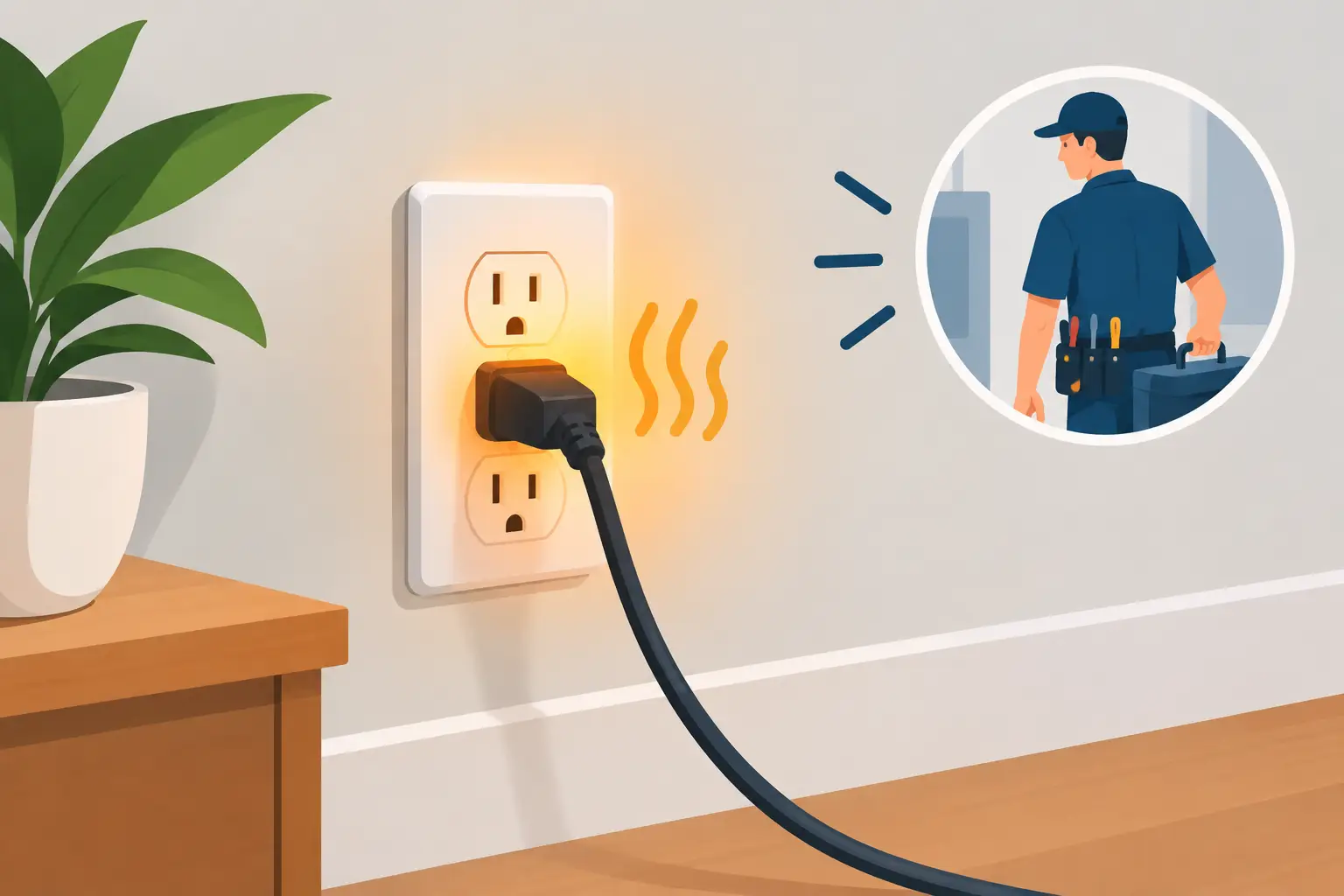
Next, check the breaker panel. If the AC breaker has tripped once, reset it carefully. If it trips again, stop there. Repeated breaker trips usually point to an electrical or mechanical problem that needs professional diagnosis.
Then look at the air filter. A severely clogged filter can choke airflow, cause cooling loss, and sometimes contribute to a frozen coil. If the filter is dirty, replace it. Also make sure supply vents are open and not blocked by furniture or rugs.
If your indoor unit is leaking water, turn the system off. Letting it continue to run can worsen water damage. If you see ice on the refrigerant line or indoor coil area, shut it down and switch the fan setting to on if recommended by your technician or service provider. Ice usually signals a bigger issue, not a quick fix.
These steps are useful, but they have limits. If the problem is not obvious or the system still is not cooling properly, emergency service is the smart move.
The most common reasons an AC fails suddenly
Emergency calls usually come down to a handful of issues. Electrical failures are high on the list, especially with capacitors, contactors, wiring problems, or breaker-related issues. In Florida’s heavy cooling season, those parts get tested constantly.
Drain line clogs are another common cause. Your AC removes moisture from the air, and that condensation has to go somewhere. If the drain line backs up, many systems shut down automatically to prevent overflow. It is a protective feature, but it still leaves you without cooling.
Low refrigerant or refrigerant leaks can also cause sudden performance drops. If your system is running but not cooling, or if the coil is freezing, refrigerant may be part of the problem. This is not something to top off casually. If refrigerant is low, there is usually a leak that needs to be found and repaired.
Sometimes the issue is airflow. Dirty filters, blower problems, blocked returns, and duct issues can all affect how your AC performs. Other times the problem is more serious, such as a failing compressor or an aging system that can no longer handle peak demand.
That is where experience matters. The right technician does not just get the system running again. They identify why it failed and whether the repair makes sense for the age and condition of the unit.
What happens during an emergency AC repair visit
A quality emergency service call should feel organized, not rushed. The technician should listen to what happened, inspect the system thoroughly, test key components, and explain the issue in practical terms. Homeowners do not need a wall of technical language. They need clear answers.
That usually includes what failed, whether it can be repaired the same day, what the repair will cost, and whether there are signs of larger wear. If multiple options make sense, you should hear the trade-offs. For example, replacing a capacitor on a newer system is very different from putting significant money into an older unit with repeated breakdowns.
In some cases, repair is the obvious choice. In others, replacement may be worth discussing, especially if the system is nearing the end of its expected life, requires an expensive major component, or has a history of service issues. Honest guidance matters here. The goal should be restoring comfort while helping you make a smart long-term decision.
How Florida heat changes the urgency
In cooler climates, a temporary AC outage may be uncomfortable but manageable. In Tampa and surrounding Central Florida communities, that is often not the case. Heat and humidity do not just make the house warm. They make it sticky, stressful, and difficult to sleep in. Indoor air can feel heavy within a short time, especially in homes with poor airflow or lots of sun exposure.
That local reality is why fast response matters so much. Same-day availability and 24/7 support are not just nice extras in this market. They are part of what homeowners need from a dependable service company.
It is also why having one trusted provider can make life easier. When a home has HVAC, plumbing, and electrical systems all under strain from weather and heavy use, it helps to know who to call. ACS Home Services serves homeowners who want that kind of dependable, full-service support without having to coordinate multiple contractors during a stressful situation.
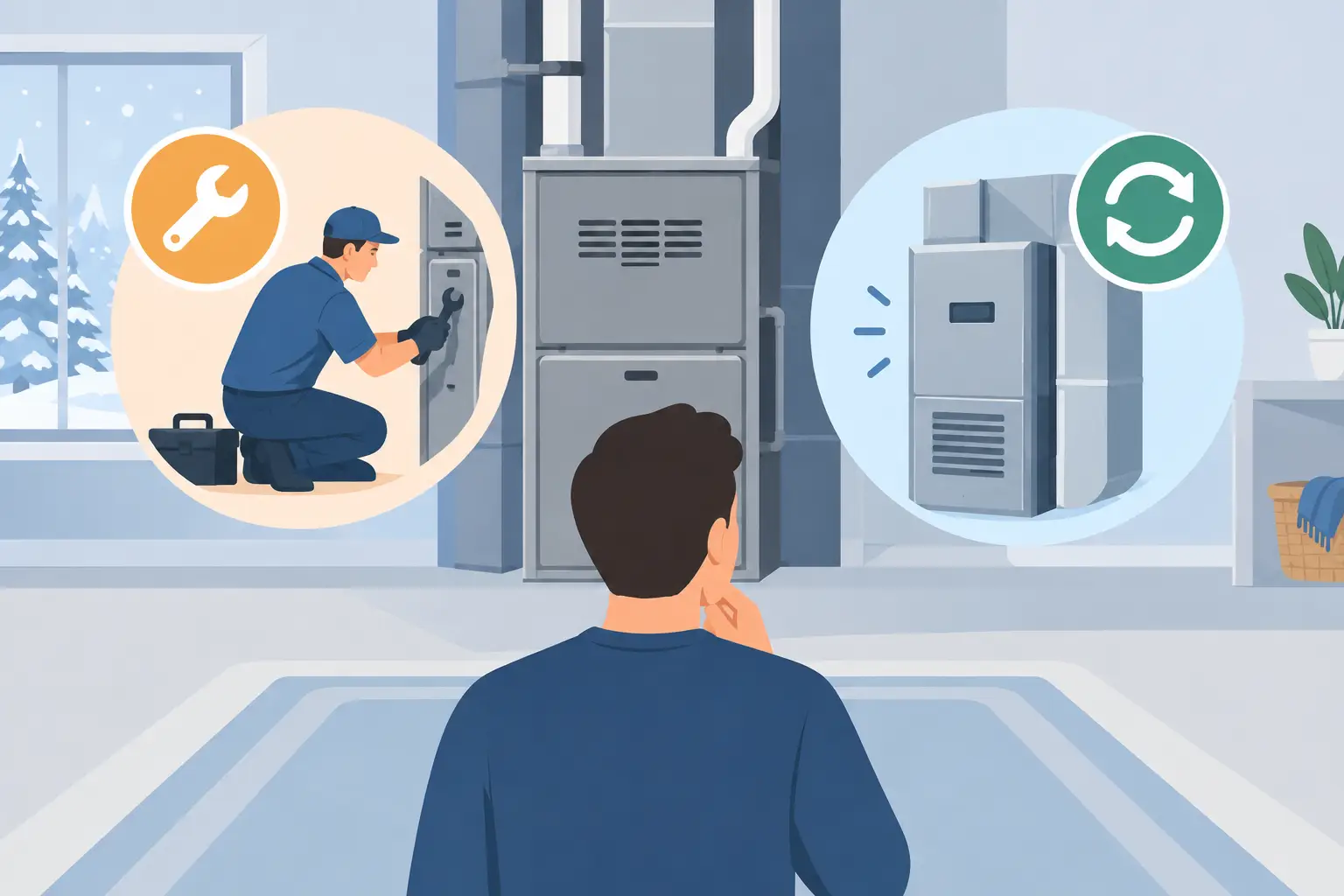
Repair now or replace the system?
This is one of the biggest questions during an emergency call, and the answer depends on more than the immediate problem. If your AC is relatively new, has been maintained well, and the repair is straightforward, fixing it usually makes sense.
If the system is older, inefficient, or needing costly repairs more often, replacement may be the better investment. That is especially true when the repair involves major components or when the system has struggled to keep the house comfortable even before the breakdown. High energy bills, uneven cooling, excess humidity, and frequent service calls are all signs that the issue may be bigger than one failed part.
Budget matters too. A homeowner may prefer to repair today and plan for replacement later. Another may choose financing and move forward with a new system now to avoid repeated disruptions. Neither choice is automatically right. The best path depends on the equipment, the home, and your priorities.
How to reduce the chance of another emergency AC repair call
No AC system is immune to breakdowns, especially in Florida, but regular maintenance lowers the odds. Seasonal tune-ups help catch worn parts, drain issues, airflow restrictions, and performance problems before they turn into urgent failures.
Homeowners can also do their part by changing filters consistently, keeping the outdoor unit clear of heavy debris, watching for unusual sounds or weak airflow, and addressing small performance changes early. If the AC starts running longer than usual, cooling unevenly, or producing excess moisture, do not wait for a full shutdown.
Membership-based maintenance plans can also make a real difference. They help keep service on schedule and often make it easier to respond quickly when something does go wrong. For busy households, that kind of consistency is often worth it.
A broken AC in Florida rarely feels convenient, but it does not have to turn into a drawn-out ordeal. Fast, professional help can restore comfort, limit damage, and give you a clear path forward. If your home is heating up and your system is not doing its job, trust what your house is telling you and get the problem checked before it gets more expensive.