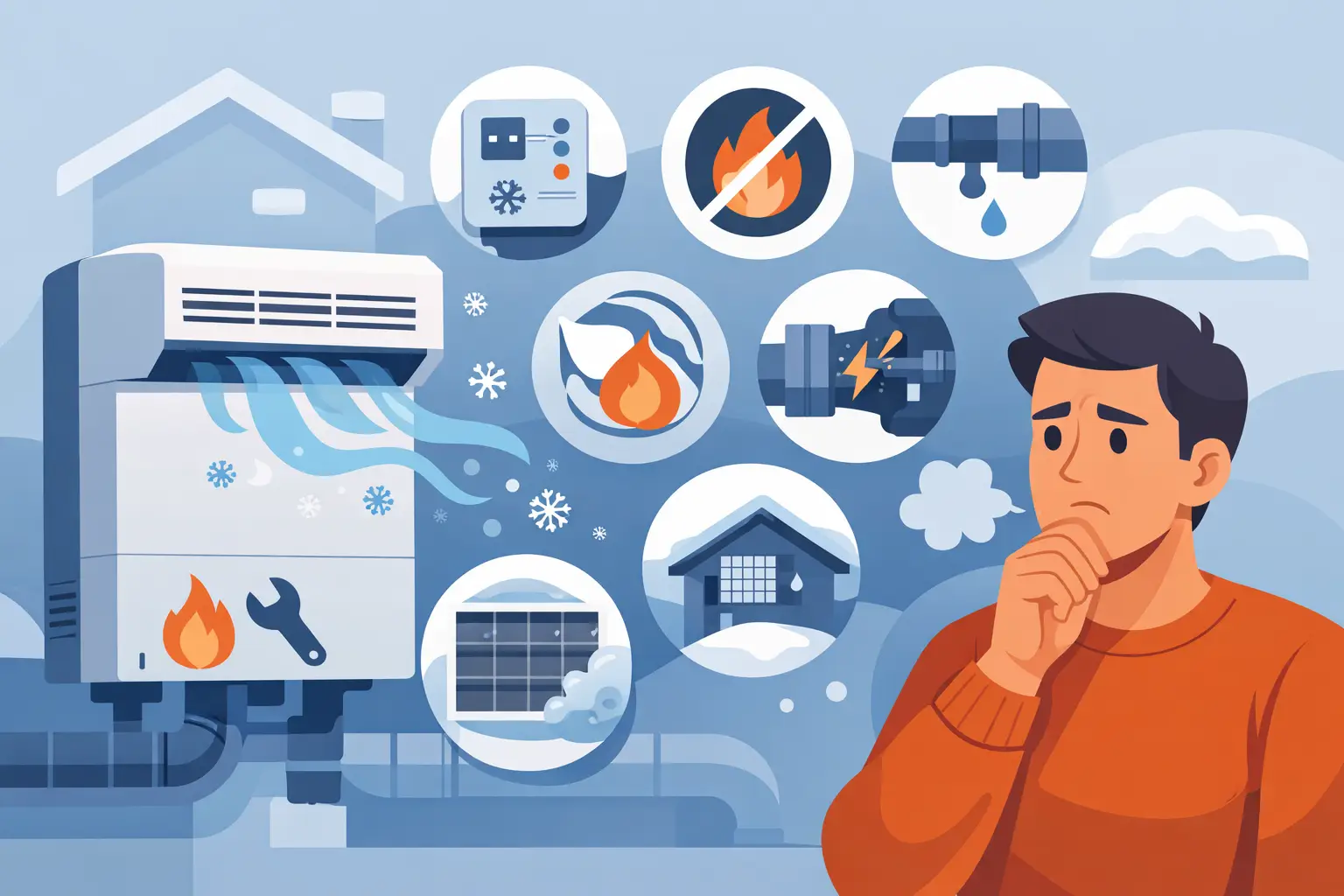


A Florida cold snap can make a heater problem feel urgent fast. If you are asking, “why is my heater blowing cold air,” the answer may be as simple as a thermostat setting or as serious as a furnace safety shutdown. The right next step depends on the type of system you have, what the air feels like, and whether there are any signs of a safety concern.
A little cool air at the start of a heating cycle can be normal. Constantly cold air, however, is not. Before you assume your system has failed, check a few basics. Then know when it is time to bring in a trained HVAC technician to protect your comfort and your home.
Why Is My Heater Blowing Cold Air?
Your heater creates warmth in one of two common ways. A gas furnace burns fuel and transfers that heat to the air moving through your home. A heat pump collects heat from outdoor air and moves it indoors. In Central Florida, heat pumps are especially common because they efficiently handle both cooling and the mild winter heating season.
When either system cannot complete that process correctly, the blower may still run even though heat is not being produced or delivered. That is why cold air from the vents does not always mean the entire unit is dead. It does mean the system needs attention if the problem continues after basic checks.
1. The Thermostat Is Set Incorrectly
Start at the thermostat. Make sure it is set to Heat, not Cool or Fan. Set the temperature at least three to five degrees above the current indoor temperature and wait a few minutes for the system to respond.
The fan setting matters, too. When the fan is set to On, it runs continuously, including between heating cycles. During those breaks, it circulates room-temperature air that can feel cold at the vents. Switch the fan setting to Auto so it runs only when the system is actively heating.
If the thermostat display is blank, dim, or unresponsive, replace the batteries if your model uses them. A thermostat wiring issue or a failing thermostat can also prevent the heating equipment from receiving the correct signal.
2. A Heat Pump May Be in Defrost Mode
Homeowners with heat pumps may occasionally notice cooler air for a short period during winter weather. When outdoor temperatures drop, moisture can freeze on the outdoor unit. The system enters defrost mode to melt that frost, temporarily changing how it operates.
This cycle should be brief. If cool air continues for 10 to 15 minutes, happens repeatedly, or your home never reaches the temperature you set, there may be a problem with the defrost controls, refrigerant level, outdoor unit, or reversing valve. Those repairs require professional diagnosis.
3. The Air Filter Is Dirty
A clogged air filter restricts airflow. In a furnace, restricted airflow can cause the unit to overheat and trigger a safety limit switch that shuts off the burners while the blower continues to operate. The result can feel like your heater is blowing cold air.
Check the filter monthly during periods of frequent HVAC use. If it looks gray, dusty, or packed with debris, replace it with the correct size and type for your system. Avoid installing an overly restrictive filter unless your HVAC professional has confirmed that your equipment can handle it. Better filtration can improve indoor air quality, but it should not come at the cost of proper airflow.
4. A Gas Furnace Has an Ignition or Fuel Problem
If you have a gas furnace, cold air can mean the burners are not lighting. Modern furnaces typically use an electronic igniter rather than a standing pilot light. A worn igniter, dirty flame sensor, malfunctioning gas valve, or control board problem can keep the burners from starting.
A closed gas supply valve or an interruption to gas service can also stop a furnace from heating. Do not attempt to take apart the furnace or relight components unless your owner’s manual specifically instructs you to do so. Gas equipment has safety controls for a reason, and bypassing or repeatedly resetting them can create a more expensive or dangerous problem.
If you smell gas, hear hissing near a gas line, or suspect a leak, leave the home immediately if it is safe to do so. Do not use light switches, phones, appliances, or open flames inside the house. Contact your gas utility and emergency services from a safe location.
5. The Furnace Is Overheating
A furnace that starts warm and then turns cold may be overheating. Besides a dirty filter, blocked return vents, closed supply registers, dirty blower components, or a failing blower motor can limit airflow enough to trigger a safety shutdown.
Open all major supply vents and make sure furniture, rugs, or drapes are not covering return grilles. Closing a few vents to redirect heat might seem practical, but it can put extra pressure on the system. If the furnace repeatedly turns on and off or blows cold air after only a few minutes, schedule service rather than continuing to restart it.
6. The Outdoor Heat Pump Unit Has a Problem
For heat pump systems, the outdoor unit must run properly in heating mode. Check whether the outdoor unit is operating and whether leaves, mulch, or other debris are blocking the airflow around it. Keep several feet of space clear around the unit and avoid covering it.
A tripped breaker can also prevent the outdoor section from running. Check your electrical panel once. If a breaker is tripped, reset it fully by switching it off and then back on. If it trips again, leave it off and call for service. Repeated breaker trips can point to an electrical or mechanical issue that should not be ignored.
7. The System Is Low on Refrigerant
Heat pumps rely on refrigerant to move heat into your home. Low refrigerant often indicates a leak, not normal use. Your system may still blow air, but it will struggle to heat effectively and may run longer than usual.
You might notice weak heating, ice on the outdoor unit, unusual sounds, or higher utility bills. Refrigerant service is not a do-it-yourself task. A technician needs to locate and repair the leak before charging the system, then verify that it is operating at the manufacturer’s specifications.
8. Ductwork Is Leaking or Disconnected
Sometimes the heater is producing heat, but that heat is not reaching the rooms where you need it. Leaky, damaged, or disconnected ductwork can send conditioned air into an attic, crawlspace, or wall cavity instead of through your vents.
This issue is common in homes with older ducts or ducts affected by storm damage, pests, or recent home projects. Uneven room temperatures, weak airflow, excess dust, and unusually high energy costs can all point to ductwork concerns. A professional inspection can determine whether sealing, repair, or replacement is the right solution.
Safe Checks Before You Schedule Heating Repair
You can rule out simple issues without opening equipment panels or attempting electrical repairs. Verify the thermostat is on Heat with the fan set to Auto. Replace a dirty filter, confirm vents and returns are open, and check the breaker once. For a heat pump, clear visible debris from around the outdoor unit.
After these checks, give the system a few minutes to respond. If it still blows cold air, do not keep cycling the thermostat or repeatedly resetting breakers. That can mask the symptom while placing more strain on a failing part.
When to Call a Professional Right Away
Some heating problems should not wait for a convenient appointment. Call for prompt HVAC service if you have no heat during cold weather, a burning smell that does not fade quickly, loud banging or grinding, frequent breaker trips, water leaking around equipment, or a furnace that repeatedly shuts down.
For gas furnaces, a gas odor, yellow or flickering burner flames, soot, or carbon monoxide alarm activation requires immediate action. Leave the home if there is a suspected gas leak or carbon monoxide concern, then contact the appropriate emergency resource from outside.
ACS Home Services helps homeowners across Tampa and Central Florida get clear answers when heating systems stop working as they should. A trained technician can identify whether the issue is a thermostat, airflow restriction, electrical component, heat pump repair, furnace ignition problem, or ductwork concern – and explain the recommended repair before work begins.
A heater that blows cold air is more than a comfort issue when temperatures dip. Addressing the cause early can help prevent a small airflow or control problem from becoming a no-heat call when your family needs dependable warmth most.