

A light that flickers once when the AC starts may be annoying. A light that repeatedly dims, flashes, or changes brightness can be your home’s way of signaling an electrical problem. Understanding why lights keep flickering helps you separate a simple bulb issue from a situation that calls for prompt professional attention.
For homeowners across Tampa and Central Florida, flickering can be especially noticeable during summer, when air conditioners, pool equipment, and other major appliances work harder. The cause may be minor, but electrical symptoms should never be ignored if they are frequent, widespread, or getting worse.
Why Lights Keep Flickering in Different Rooms
The location and pattern of the flickering offer useful clues. If one lamp flickers while every other light in the house works normally, the problem is often local to that fixture, bulb, switch, or outlet. If lights throughout the home dim or flicker together, the issue may involve a circuit, electrical panel, service connection, or the power coming into the house.
Start by noticing when the problem happens. Does it occur when you turn on the microwave? When the washing machine enters a spin cycle? During a storm? Or does it happen randomly, even when nothing major is running? Those details help an electrician identify the likely source more efficiently.
A Loose or Failing Light Bulb
A loose bulb is one of the simplest causes of flickering. With the power off and the bulb cool, make sure it is properly seated in the socket. If the flickering continues, try a new bulb that is compatible with the fixture.
LED bulbs can flicker when they are low quality, nearing the end of their life, or paired with an older dimmer switch that was designed for incandescent bulbs. Not every LED bulb is dimmable, and not every dimmer works well with LED technology. Replacing the bulb or installing an LED-compatible dimmer can often solve this specific problem.
If a bulb has dark marks, a damaged base, a burning smell, or a socket that feels hot, stop using the fixture and have it inspected. Heat at a light fixture is not a DIY troubleshooting project.
A Problem With the Switch, Fixture, or Outlet
Flickering limited to one light fixture may point to a worn switch, a loose wire connection, or a failing fixture component. A light that flickers when you touch the switch, move a lamp cord, or adjust the fixture needs attention. Loose connections can create resistance and heat, which raises the risk of electrical damage.
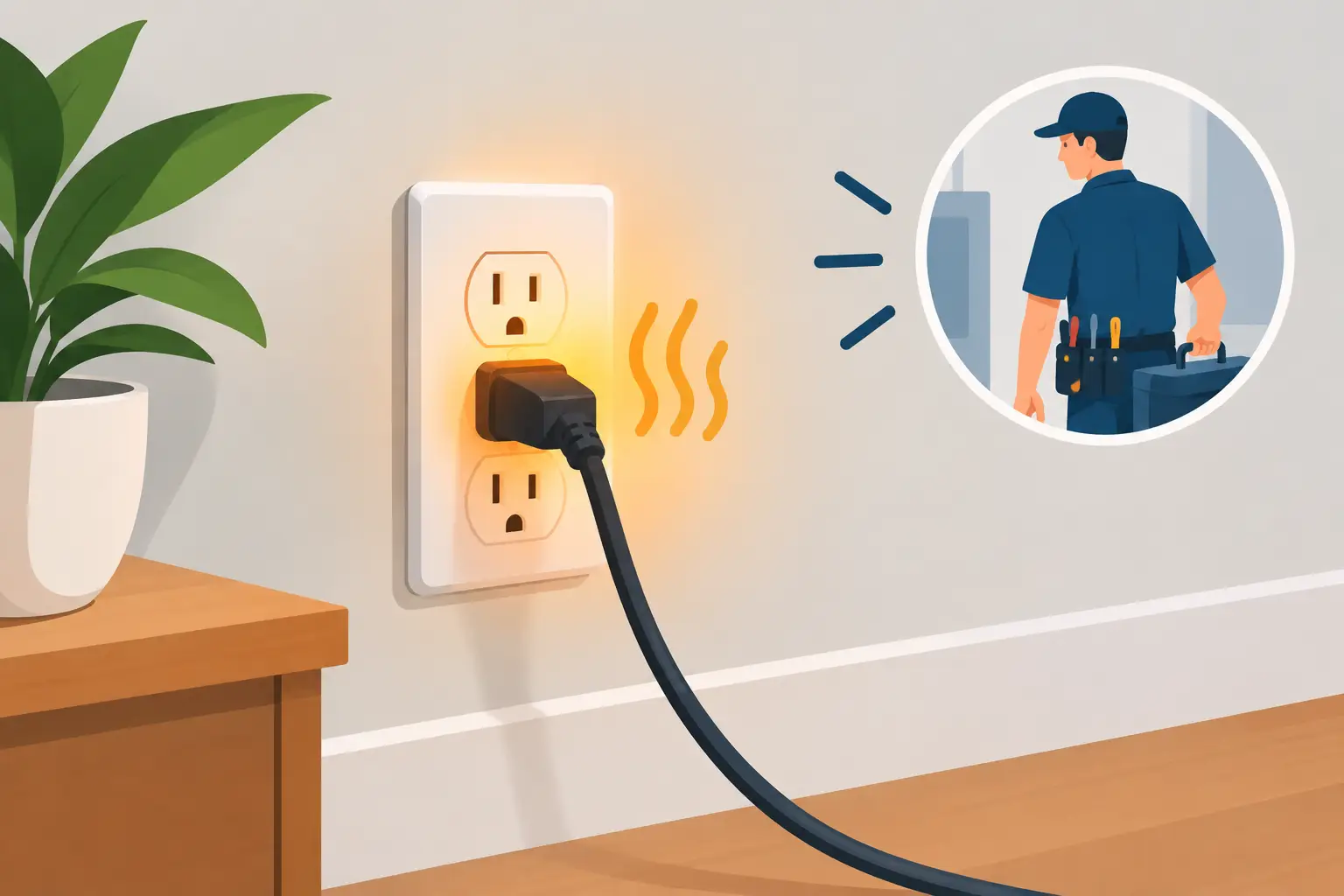
The same applies to a flickering lamp plugged into one outlet. Test the lamp in another outlet. If it works normally elsewhere, the outlet or its wiring may be the problem. Do not keep using an outlet that is loose, warm, discolored, buzzing, or produces a crackling sound.
When Appliances Make Lights Dim or Flicker
It is common for lights to dim slightly for a moment when a large motor starts. Your refrigerator, HVAC system, dishwasher, garbage disposal, and pool pump all draw extra electricity during startup. A brief, minor dip can be normal, particularly in older homes.
The concern is intensity and frequency. If lights dim dramatically every time the AC kicks on, if the flickering lasts longer than a moment, or if several circuits are affected, your electrical system may be struggling to handle the load. This can happen when a circuit is overloaded, wiring is undersized, connections are deteriorating, or the electrical panel no longer meets the home’s needs.
Florida homes often add electrical demands over time: upgraded HVAC equipment, electric vehicle chargers, hot tubs, remodeled kitchens, additional refrigerators, and modern home offices. An electrical panel that was adequate years ago may not have enough capacity for how the home is used now. A licensed electrician can evaluate your panel, circuits, and overall load rather than simply treating the flickering symptom.
Overloaded Circuits
An overloaded circuit occurs when too many devices pull power from the same circuit. You may notice flickering lights alongside breakers that trip, outlets that stop working, or appliances that seem to lose power. Extension cords and power strips can make the situation worse by allowing more equipment to be connected than the circuit can safely support.
As a short-term step, unplug nonessential devices from the affected area and avoid running several heat-producing appliances at once. But recurring overloads need a real solution, which may include dedicated circuits, wiring updates, or panel work. Repeatedly resetting a breaker without finding the cause can create a safety hazard.
Flickering Throughout the House Can Be More Serious
When lights in multiple rooms flicker at the same time, especially if some lights get brighter while others get dimmer, call for electrical service promptly. This can indicate a loose neutral connection, a problem in the electrical panel, or an issue with the utility service connection.
A loose neutral is particularly concerning because it can cause unstable voltage. That instability may damage sensitive electronics and appliances. You might notice televisions restarting, clocks resetting, chargers behaving inconsistently, or bulbs burning out more often than expected.
Do not open the electrical panel or attempt to tighten service connections yourself. The panel contains energized components that can be dangerous even when individual breakers are off. A trained electrician has the tools and expertise to test the system safely and determine whether the problem is inside the home or needs to be addressed by the utility provider.
Weather, Power Quality, and Florida Storms
Storm activity can affect power quality in Central Florida. Lightning, wind, tree contact, and utility equipment issues may cause temporary flickering or outages. If the flickering begins during a storm and neighbors are experiencing the same issue, it may be utility-related.
Still, weather can expose weaknesses in your own electrical system. Water intrusion near an exterior fixture, meter area, or service equipment can create serious electrical risks. If you see sparking, smell burning plastic, hear buzzing from the panel, or notice smoke, move away from the area and call for emergency electrical help. If there is an immediate threat to people or property, call 911 first.
Whole-home surge protection can be a smart consideration in areas prone to lightning and power fluctuations. It does not fix loose wiring or an overloaded panel, but it can help protect valuable electronics and appliances from damaging voltage spikes.
What You Can Safely Check Before Calling an Electrician
Homeowners can gather useful information without taking risks. Check whether the flickering is limited to one bulb, one fixture, one room, or the entire house. Note whether a particular appliance triggers it. Try a known-working bulb in the affected fixture, and look for obvious signs of damage such as loose plugs, discoloration, or a warm outlet cover.
Avoid removing outlet covers, opening junction boxes, or working inside the electrical panel. Do not ignore a breaker that repeatedly trips, and do not replace it with a larger breaker to stop the problem. Breakers are designed to protect the wiring. Changing one without addressing the wiring and load can lead to overheating.
It also helps to write down when the issue occurs and which appliances are operating at the time. That simple record can save time during an electrical diagnosis and help identify intermittent problems that are not happening when the technician arrives.
When to Schedule Electrical Service
Schedule an inspection soon if flickering is recurring, affects more than one room, occurs with appliance startup, or is paired with tripped breakers. Request urgent service if lights become unusually bright or dim, outlets or switches feel warm, you hear buzzing or crackling, or you smell something burning.
ACS Home Services can help homeowners identify the source of flickering lights, from a faulty fixture or circuit issue to electrical panel concerns and needed wiring upgrades. A professional inspection provides clear recommendations based on what your home actually needs, with safety and long-term reliability in mind.
A flickering light may be a quick fix, but it can also be an early warning that prevents a larger electrical failure. Paying attention to the pattern now gives you the chance to protect your home, your equipment, and the people who rely on both every day.