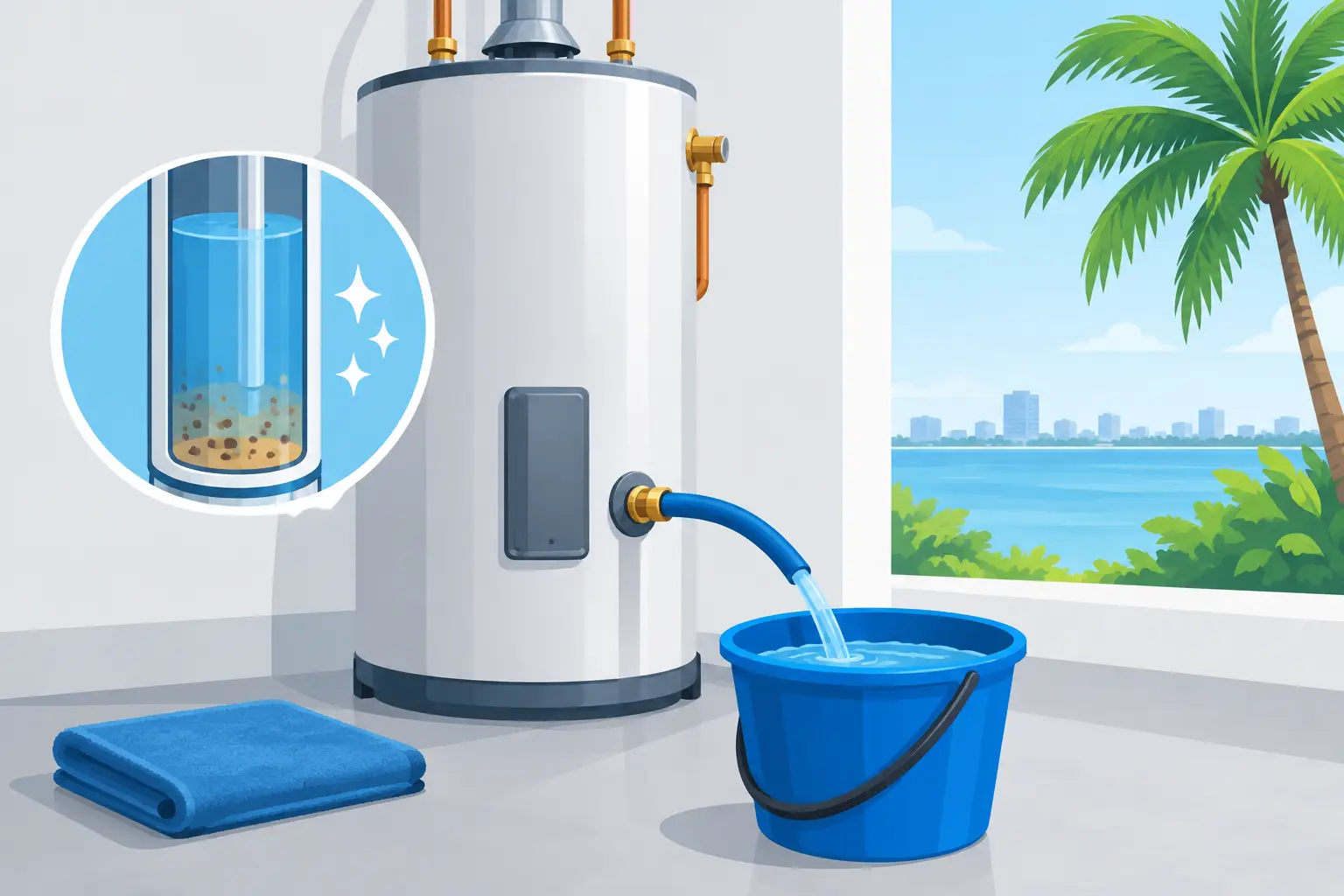


Your water heater can keep producing hot showers while sediment quietly builds up at the bottom of the tank. That is why homeowners often ask, when should water heater be flushed? In most Central Florida homes, an annual flush is a smart starting point, but your water quality, household size, and water heater’s age can change the right schedule.
Flushing removes mineral sediment that settles in a tank over time. Left alone, that buildup can make the system work harder, reduce available hot water, create strange noises, and contribute to early equipment failure. A little planned maintenance is usually far less disruptive than discovering the water heater has failed when the whole family needs it.
When Should Water Heater Be Flushed in Florida?
For most conventional tank water heaters, flushing once every 12 months is a practical maintenance schedule. Florida water can contain minerals that separate from the water as it is heated. Those minerals collect as sediment, especially in homes with harder water or high hot-water demand.
Some households may benefit from service every six months. This is more likely if your home has noticeably hard water, a large family, frequent guests, or a water heater that runs constantly. Homes served by well water may also need more frequent attention because water chemistry can vary considerably.
On the other hand, a newer water heater in a smaller household with low mineral content may be fine with an annual inspection and flush. The goal is not to follow a calendar blindly. It is to prevent sediment from becoming a performance or safety issue.
If you have a tankless water heater, the maintenance process is different. Tankless units do not store water in a large tank, but mineral scale can still accumulate inside the heat exchanger. These systems typically need periodic descaling rather than a standard tank flush. A plumbing professional can recommend the right schedule based on your model, water quality, and manufacturer requirements.
Signs Your Water Heater Needs Attention Sooner
You do not always have to wait until the next annual appointment. Your water heater may be telling you that sediment is already affecting its performance.
A popping, crackling, rumbling, or banging sound during a heating cycle is one of the most common signs. Sediment at the bottom of the tank can trap water beneath it. As that water heats and turns to steam, it can create a popping sound. While some noise does not automatically mean the unit is unsafe, it is a good reason to schedule an evaluation.
Shorter hot showers are another warning sign. Sediment takes up space in the tank and can make it harder for the burner or heating elements to transfer heat efficiently. You may have a water heater with the same capacity as always, but less usable hot water than your family expects.
Cloudy, rusty, or discolored hot water also deserves attention. Sediment may be part of the problem, although corrosion inside the tank, failing supply pipes, or a deteriorating anode rod could also be involved. If only the hot water is discolored, the water heater is a likely place to start.
Watch for these additional concerns as well:
- Higher energy bills without another clear explanation
- Water that takes longer than usual to heat
- A drain valve that appears clogged or drips
- Moisture or pooling water around the base of the tank
- A water heater that is nearing or past its expected service life
A leak, active pooling, a sulfur-like odor, or no hot water at all should not wait for routine maintenance. These issues may require repair or replacement, particularly if a tank has corroded.
Why Sediment Is Hard on a Water Heater
A conventional water heater heats water from the bottom of the tank. As mineral deposits settle there, they form a layer between the heat source and the water. Gas units may need to run longer to heat through that layer, while electric elements can become coated and less effective.
That extra operating time can raise utility costs and put more strain on the equipment. In severe cases, sediment can cause overheating at the bottom of a gas tank, damaging the unit and shortening its life. It can also restrict the drain valve, making a neglected tank harder to service later.
Flushing is not a cure for every water heater problem. It cannot repair a leaking tank, reverse internal corrosion, or make an undersized unit meet the demands of a growing household. But when performed as part of regular maintenance, it can help protect efficiency and reveal developing issues before they become an emergency.
Is It Safe to Flush an Older Water Heater?
This is where the answer depends on the condition of the equipment. A well-maintained water heater can generally be flushed throughout its service life. However, a tank that has gone many years without maintenance may have heavy buildup, corrosion, or a fragile drain valve.
In some older units, sediment and corrosion can mask existing weak spots. Disturbing severe buildup may expose a leak that was already likely to occur. That does not mean flushing caused the failure. It means the tank was already near the end of its useful life.
Before flushing an older water heater, it is wise to have a trained technician inspect it. They can check for corrosion, evaluate the drain valve, look for evidence of leaking, test safety components, and give you a clear recommendation. If replacement makes more sense than maintenance, you deserve to know before putting more money into a failing unit.
What Professional Water Heater Maintenance Includes
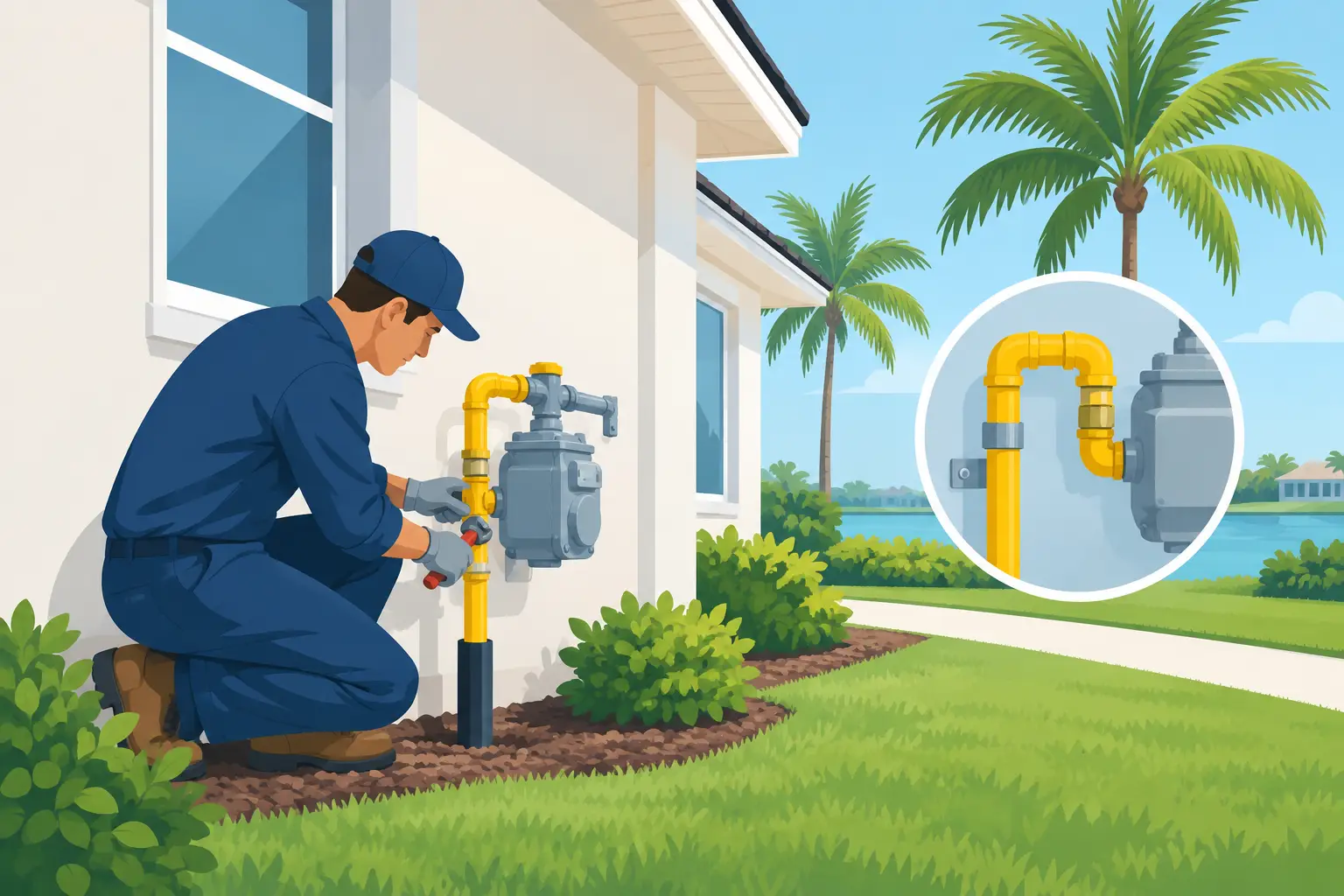
A proper service visit is more than opening a drain valve and letting a little water out. The technician should first evaluate the water heater’s condition and confirm that flushing is appropriate. For gas models, that can include checking combustion-related components and venting. For electric units, it may include inspecting electrical connections and heating performance.
During maintenance, a technician can flush accumulated sediment, inspect the temperature and pressure relief valve, check the drain valve, look for leaks, and assess the anode rod when appropriate. The anode rod is designed to corrode before the steel tank does. Replacing it at the right time can be one of the most valuable ways to extend tank life.
They can also verify whether the temperature setting is appropriate. Many households use a setting around 120 degrees Fahrenheit to balance comfort, energy use, and scald protection. Your household may have specific needs, but unnecessarily high settings increase energy consumption and burn risk.
Professional service is especially helpful if the unit is in a garage, attic, closet, or another location where draining it improperly could cause water damage. Water heaters involve hot water, gas or high-voltage electrical connections, pressure, and plumbing components that may be stiff with age. A careful inspection helps keep a routine task from becoming an avoidable repair.
Do Not Ignore the Rest of the Plumbing System
If sediment returns quickly after flushing, the answer may not be simply flushing more often. A plumber may recommend water testing or discuss whether water treatment would help protect fixtures, appliances, and plumbing throughout the home.
Hard water can leave scale on faucets, shower doors, dishwashers, and coffee makers in addition to your water heater. Addressing the underlying mineral issue may reduce maintenance demands and improve long-term performance across the home.
It is also a good time to consider the age and capacity of your current unit. A typical tank water heater may last roughly eight to 12 years, though maintenance, water quality, installation conditions, and usage all affect that range. If your unit is older, noisy, inefficient, or struggling to keep up, planning a replacement before it fails can give you more options and less stress.
For Tampa Bay and Central Florida homeowners, scheduling water heater maintenance before a problem interrupts your routine is a practical move. ACS Home Services can inspect your system, explain what it needs in plain language, and help you decide whether a flush, repair, or replacement is the better path for dependable hot water.