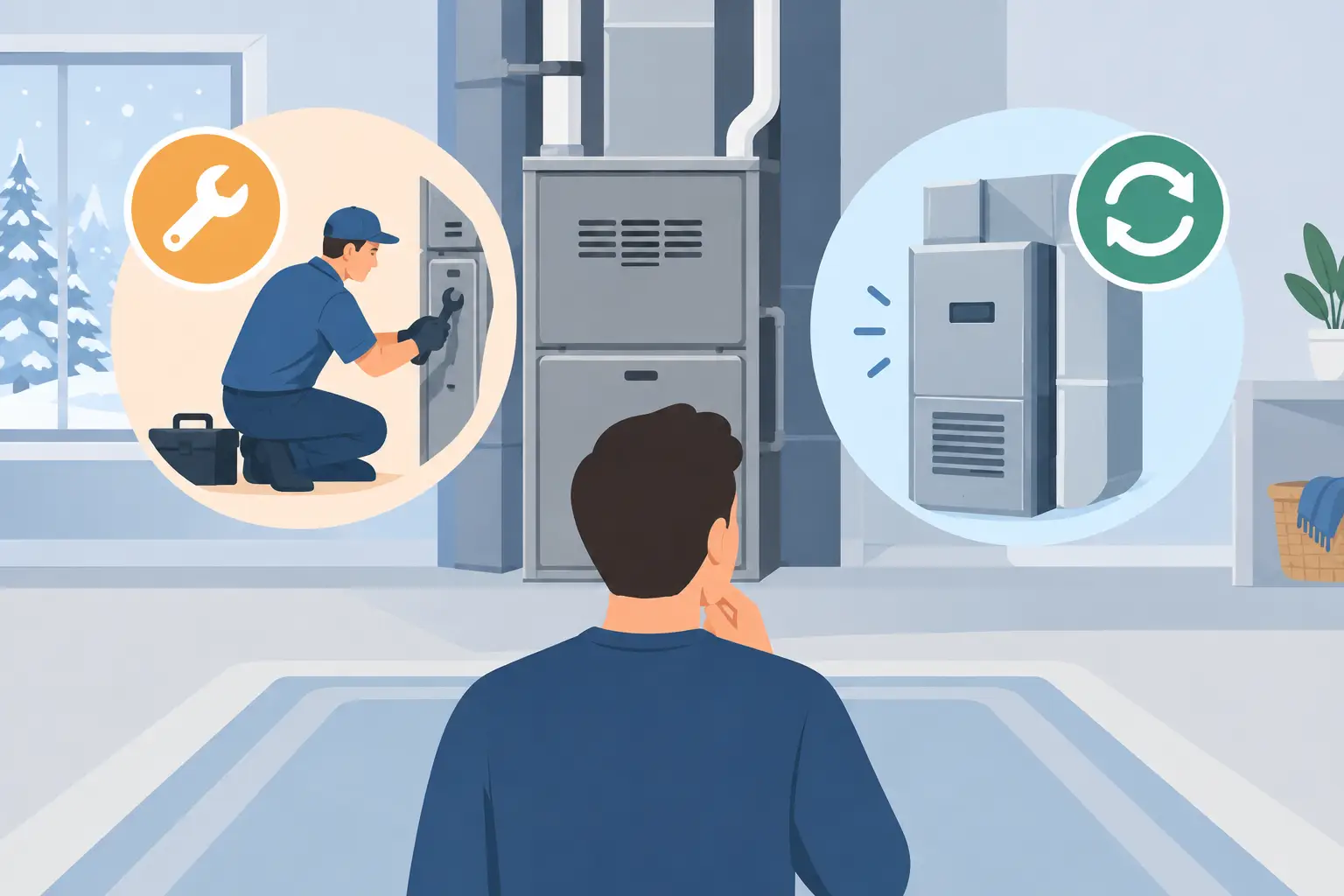


A furnace that quits on one of Central Florida’s few cold nights can make a small issue feel urgent fast. If you’re asking, should I repair furnace equipment or replace it, the answer comes down to more than whether it can be switched back on. Its age, safety, repair history, efficiency, and the type of heating system in your home all deserve a close look before you spend money.
A qualified HVAC technician can diagnose the problem, explain the condition of your equipment in plain language, and help you compare a repair with replacement. The goal is not to push a new system when a practical repair will restore reliable heat. It is to help you avoid putting repeated money into equipment that is nearing the end of its useful life.
Should I Repair Furnace Equipment or Replace It?
Start with the repair itself. A minor issue on a newer, well-maintained furnace is usually worth fixing. Problems such as a failed thermostat, worn capacitor, dirty flame sensor, or faulty ignition component can often be corrected without replacing the whole unit. When the repair is affordable and the furnace has years of expected service remaining, repair is typically the sensible path.
Replacement becomes more compelling when the repair is expensive, the furnace breaks down repeatedly, or the unit is old enough that another major component could fail soon. A common rule of thumb is to pause when a repair approaches 50% of the cost of a comparable replacement. It is not a hard rule, especially if the repair extends the unit’s life for several reliable years. Still, it is a useful signal that you should compare your options rather than approve a large repair automatically.
Your technician should provide clear pricing and explain what the repair addresses. Ask whether the failed part is likely an isolated problem or a sign of broader wear. A good recommendation accounts for your home, your budget, and how long you plan to stay in the property.
Age Changes the Repair Decision
Most gas furnaces last roughly 15 to 20 years with proper maintenance. Electric furnaces may last longer, but age still affects reliability, parts availability, and operating cost. If your unit is under 10 years old and has not needed frequent service, a repair often makes financial sense.
Between 10 and 15 years, the decision requires more context. A single moderate repair can be reasonable, particularly if the system has been maintained and heats your home evenly. However, a history of service calls, rising utility bills, noisy operation, or uneven comfort can point to a furnace that is beginning to decline.
Once a furnace is 15 years old or more, replacement is often worth serious consideration when a major component fails. Spending hundreds or thousands of dollars on an older unit may get it working again, but it does not reset the age of the heat exchanger, blower motor, electrical connections, or other parts that have endured years of use.
Check the Manufacturer Warranty Before Deciding
A warranty can meaningfully change the math. Some parts may still be covered, leaving you responsible only for labor or related service. Your HVAC professional can identify your model, check available coverage, and explain whether a repair is protected by a new part warranty.
Keep in mind that warranties do not always cover every expense, and they may require registration or have specific terms. Even so, it is worth checking before committing to a replacement based on a repair estimate alone.
Safety Problems Are Not a Wait-and-See Issue
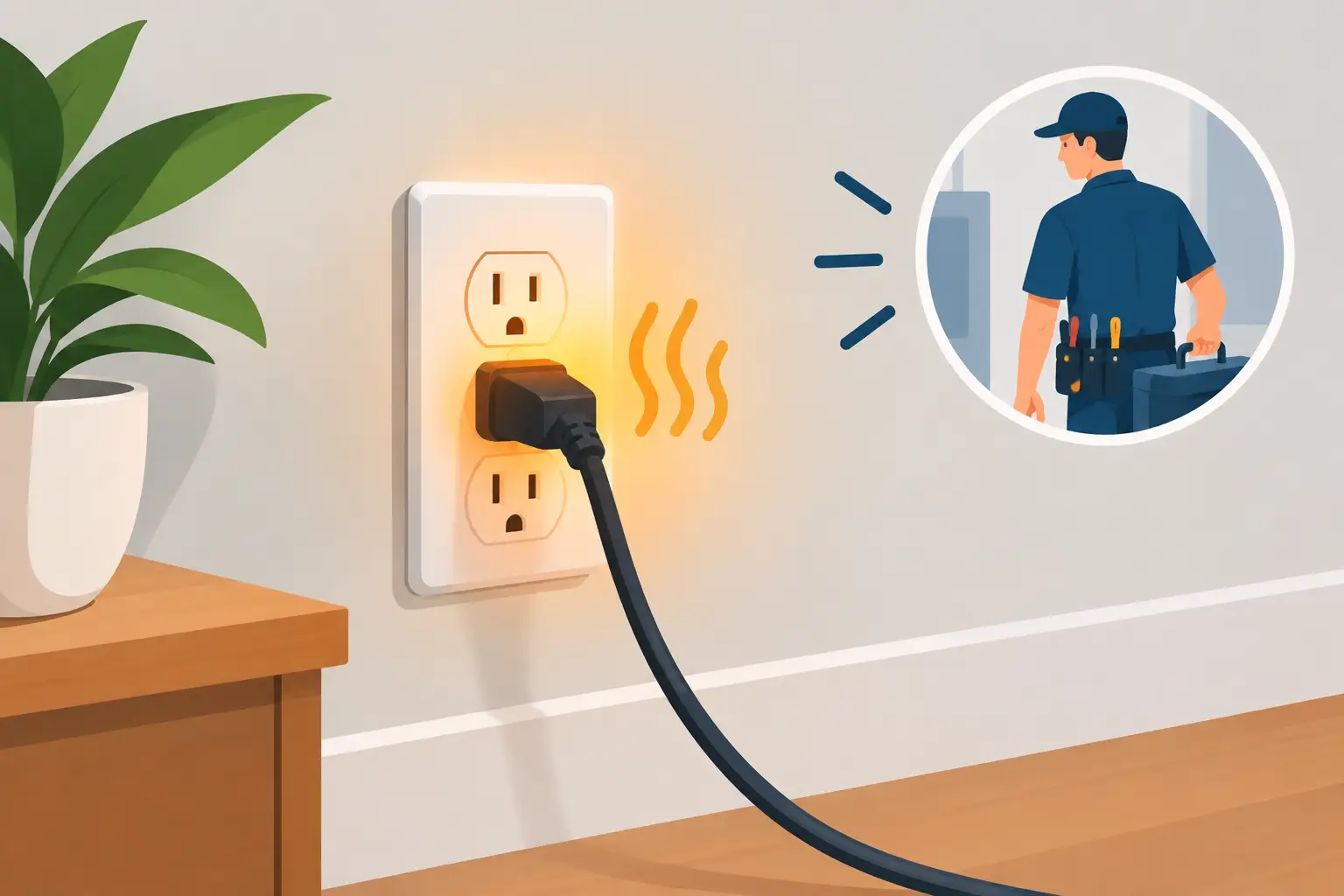
A furnace that is producing heat but operating unsafely needs prompt professional attention. Gas furnaces create combustion gases, and problems with the heat exchanger, venting, burners, or gas connections can create serious risks. If you smell gas, notice a burning or unusual odor, see soot around the equipment, or your carbon monoxide detector alerts, turn the system off if it is safe to do so and seek immediate help.
Other warning signs include a yellow or flickering burner flame instead of a steady blue flame, frequent cycling, loud booming at startup, or visible corrosion around the furnace. These symptoms do not always mean replacement is required, but they should never be diagnosed by guesswork.
A cracked heat exchanger is one example where replacement is often the safer and more practical recommendation, particularly on an older furnace. The correct solution depends on the model, the extent of the damage, warranty status, and the technician’s inspection. What matters most is restoring safe operation, not finding the lowest short-term price.
Florida Homes Need a Different Heating Conversation
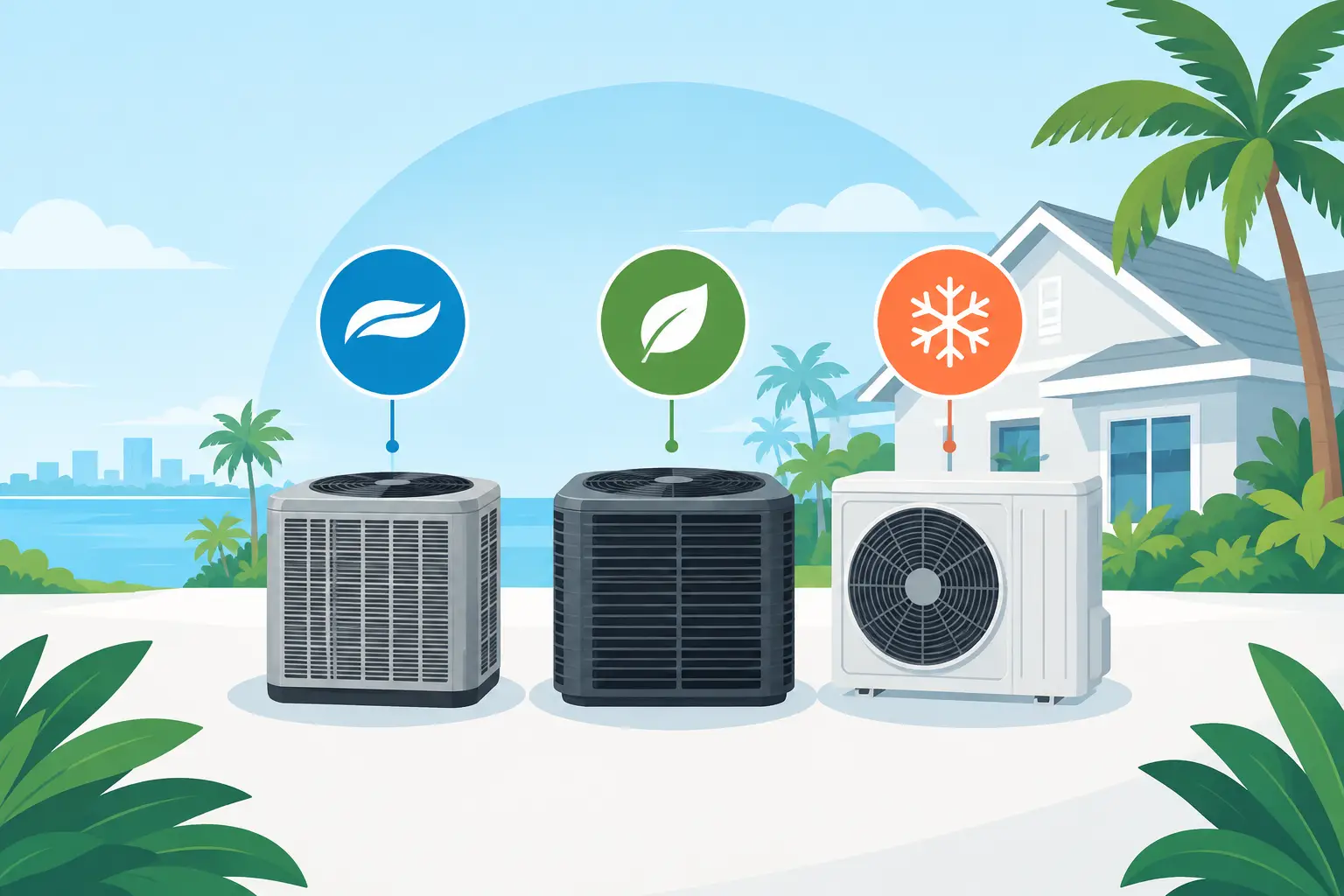
In Tampa and throughout Central Florida, many homes use heat pumps rather than traditional furnaces. A heat pump provides both cooling and heating, which makes it especially practical in our mild winter climate. If your home has a heat pump, the repair-versus-replacement decision should consider the entire system, not only the heating mode.
For example, an aging heat pump may still warm the house but struggle to cool efficiently during long, humid summers. Because cooling demand is much higher than heating demand in Florida, recurring repairs or poor summer performance can make a full system replacement more valuable than it might be in a colder region.
Some homes have electric furnaces or air handlers with heat strips. These systems can be dependable, but electric resistance heat can cost more to operate than a properly functioning heat pump. If your system relies heavily on heat strips when temperatures dip, a technician can check whether the heat pump is operating correctly and whether an upgrade could improve comfort and efficiency.
Compare More Than the Repair Price
The lowest immediate cost is not always the best value. When comparing repair and replacement, consider what each option gives you over the next several years. A repair may restore heat quickly with a smaller upfront expense. Replacement may reduce the likelihood of surprise breakdowns, improve comfort, lower energy use, and provide new warranty protection.
Think about your recent repair history as well. One service visit in several years is normal. Multiple calls in a single season are different. Add up what you have spent, then ask what major parts remain original and how likely they are to need attention next.
Comfort is another factor homeowners sometimes overlook. If some rooms are warm while others stay chilly, the furnace may not be the only issue. Ductwork, airflow, thermostat placement, insulation, and system sizing can all affect performance. Replacing equipment without evaluating these conditions may leave you with a newer system but the same comfort complaint.
Financing can also make replacement more manageable when it is the better long-term choice. Rather than rushing into a decision during a breakdown, ask for clear options that show the repair cost, replacement investment, expected warranty coverage, and any available payment plans.
How Maintenance Can Delay Replacement
Annual heating maintenance gives technicians a chance to catch smaller issues before they cause a no-heat call. During a professional visit, they can inspect electrical components, clean key parts, test safety controls, check airflow, and confirm that the system is operating as intended.
Homeowners can help between visits by changing filters on schedule, keeping the area around indoor equipment clear, and paying attention to new sounds or changes in performance. A clogged filter can strain airflow, reduce comfort, and contribute to avoidable repairs.
Maintenance cannot make an aging furnace new again, but it can help you make a replacement decision on your timeline instead of during an emergency. That gives you more time to compare equipment and choose a solution that fits your household.
Get a Clear Recommendation Before You Commit
When heat is unreliable, you deserve more than a vague answer or a pressure-filled sales conversation. ACS Home Services can inspect your heating system, identify the source of the issue, and explain whether repair or replacement is the better fit for your home. Same-day service availability and 24/7 emergency support help when the problem cannot wait.
If a repair can safely restore dependable heat, that may be the right move. If replacement offers better long-term value, you should understand exactly why before moving forward. Schedule a professional evaluation, keep your family’s comfort and safety at the center of the decision, and choose the option that gives your home confidence through the next cold snap.