

A pinhole leak under a bathroom sink can feel like a one-time repair. When the next leak appears behind a kitchen wall, followed by rusty water at a shower faucet, the issue may be much bigger. This whole home repiping case study follows a representative Tampa-area home with aging water lines and shows how homeowners can move from repeated plumbing surprises to a clear, lasting plan.
The Problem: Small Leaks Were Becoming a Pattern
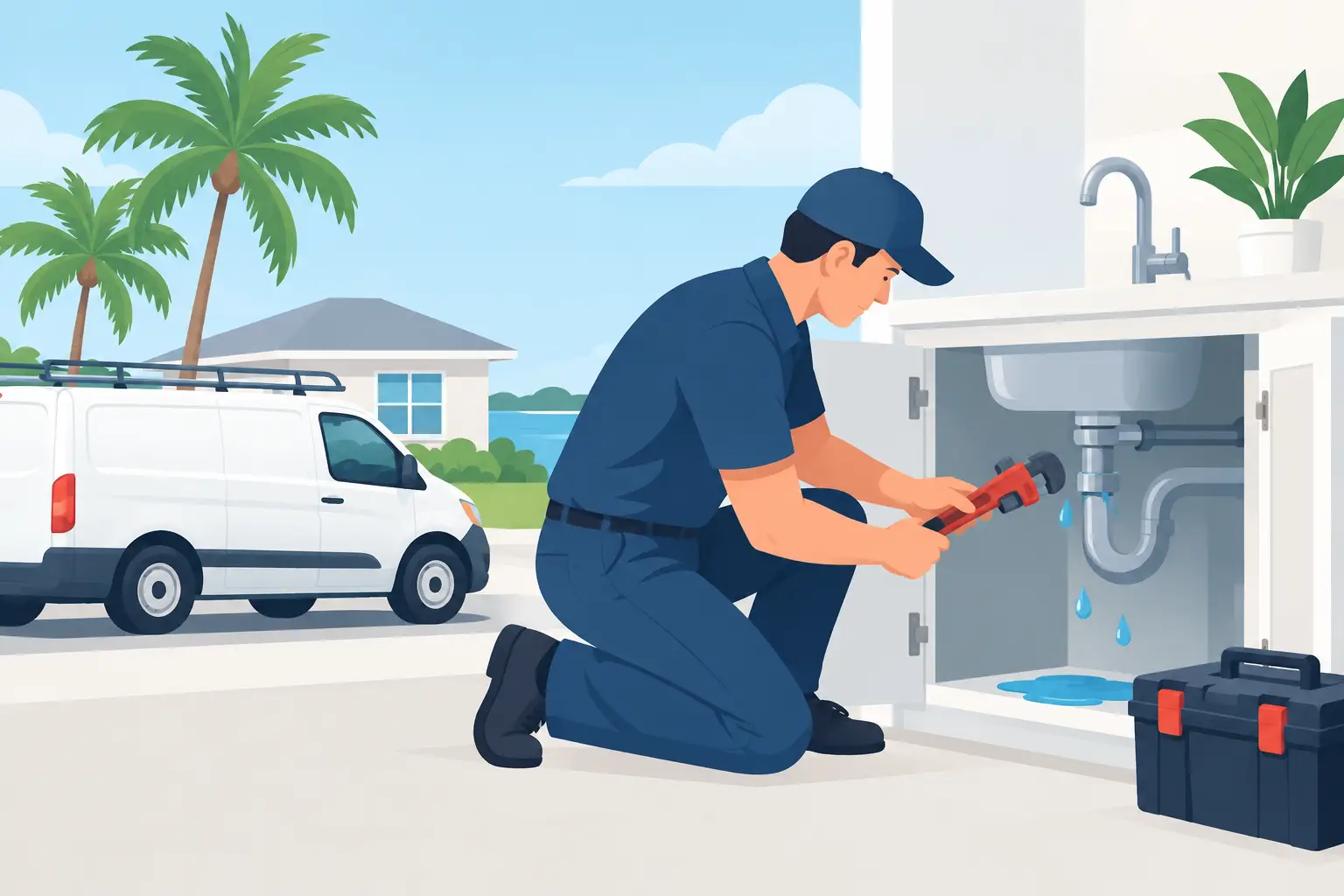
The home was a single-story residence built several decades ago, with original galvanized water supply piping. The owners first called for help after finding moisture in a vanity cabinet. The immediate leak was repaired, but that was only the visible symptom.
Over the following months, they noticed lower water pressure in two bathrooms, discolored water after the house sat empty for a weekend, and a second leak in a different part of the home. None of these signs automatically requires a complete repipe. A single isolated leak in otherwise sound piping can often be repaired effectively.
The concern grows when leaks occur in multiple locations, especially with older galvanized, polybutylene, or deteriorating copper lines. Corrosion and mineral buildup can restrict water flow from the inside, while aging pipe walls become more vulnerable to failure. In Central Florida, homeowners also need to consider how water quality, age, and past repairs may affect the condition of their plumbing system.
Rather than continue reacting to one failure at a time, the owners requested a full plumbing evaluation. The goal was not simply to stop the current leak. It was to determine whether repair dollars were being put into a system that was nearing the end of its useful life.
How the Repiping Decision Was Made
A qualified plumbing assessment should begin with the home’s actual conditions, not a one-size-fits-all recommendation. The technician reviewed the pipe material, visible corrosion, water-pressure concerns, leak history, fixture locations, and the accessibility of existing lines.
In this case, the home had several factors pointing toward repiping: multiple leaks in a short period, aging galvanized pipe, noticeable pressure loss, and signs of internal corrosion. The owners also planned to update one bathroom within the next few years. Replacing the water lines before that renovation helped avoid the possibility of opening new finishes later for an emergency repair.
The trade-off was upfront cost and temporary disruption. A whole-home repipe is a significant project, and it should be treated that way. But repeated repairs can add up quickly when you factor in service calls, drywall damage, paint work, water cleanup, and the stress of wondering where the next leak will occur.
The homeowners chose to move forward once they understood both paths. They could keep repairing isolated breaks as they appeared, accepting the risk of future failures. Or they could replace the aging supply lines in a planned project with a defined scope, schedule, and restoration process.
Whole Home Repiping Case Study: Planning the Work
Before work began, the plumbing team mapped the home’s fixtures and planned routes for new water lines. The objective was to install reliable piping while limiting access openings in walls and ceilings wherever practical.
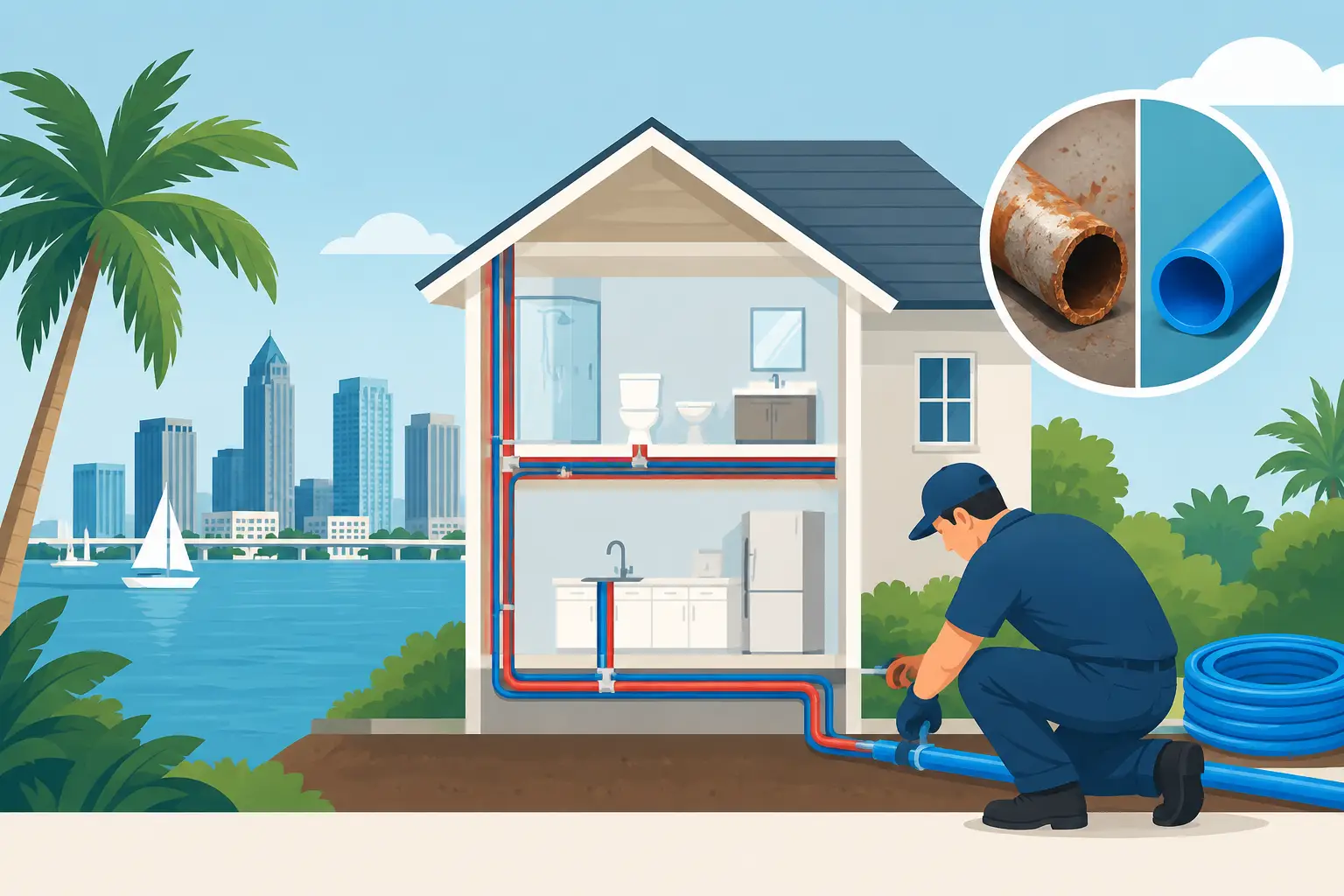
For many homes, PEX tubing is a strong option because it is flexible, corrosion-resistant, and well suited for routing through existing structures. Copper may also be appropriate in certain applications. The best material depends on the home, local code requirements, installation conditions, and the homeowner’s priorities. A professional recommendation should explain why a specific material is being proposed.
The project plan covered the kitchen, bathrooms, laundry area, water heater connections, exterior hose connections, and shutoff locations. The team also discussed when water would be temporarily turned off, where access points might be needed, and what restoration would look like after plumbing installation.
Clear expectations mattered just as much as the pipe itself. The homeowners knew that a repipe could involve some drywall access and noise during working hours. They also knew the crew would protect work areas, test the system before closing access points, and communicate if conditions behind a wall required an adjustment to the plan.
What Happened During Installation
On the first day, the crew protected floors and established work zones. Water was shut off only when necessary, and the owners were advised in advance about expected service interruptions. New water lines were routed from the main supply to the home’s fixtures, with individual connections designed to provide dependable water delivery throughout the house.
This is where experienced installation makes a difference. A repipe is not just about replacing old pipe with new pipe. Proper support, secure connections, accessible shutoffs, code-compliant installation, and pressure testing all affect long-term performance.
Once the new lines were installed, the system was pressurized and checked for leaks. Fixtures were tested for flow and function. The homeowners immediately noticed more consistent water pressure at the showers and faucets, particularly in the bathroom farthest from the water heater.
Access openings were then prepared for restoration. The exact restoration scope can vary by project, so it should be discussed before work begins. Some homeowners choose to handle final painting themselves, while others prefer a more complete restoration plan. Asking this question early prevents confusion after the plumbing work is complete.
The Results: More Than Better Water Pressure
The most immediate benefit was peace of mind. The owners no longer had to wonder whether a hidden section of aging pipe would fail during a vacation, a busy workweek, or a family gathering.
They also gained more reliable pressure, cleaner-looking water, and updated shutoff points that made future fixture service easier. Just as valuable, they were able to plan their bathroom update without building it around a failing plumbing system.
A whole-home repipe does not make every plumbing issue disappear forever. Drain clogs, fixture wear, water heater problems, and sewer line issues are separate systems that may still require service. But replacing deteriorated supply piping can remove a major source of recurring leaks and water damage risk.
When a Full Repipe May Not Be Necessary
Homeowners should not assume that every leak means their home needs new pipes. A newer home with one damaged section, a loose fitting, or a clearly isolated cause may only need a targeted repair. Leak detection and a thorough inspection can help distinguish a local problem from a system-wide concern.
A full repipe is more likely worth considering when a home has aging pipe materials, recurring leaks, corrosion, poor water pressure in several areas, or repeated wall and ceiling repairs caused by water damage. It can also make practical sense before a major remodel, when walls may already be open.
The right decision comes down to the condition of the system, the cost of continuing repairs, and how long you intend to stay in the home. Financing options may also make a planned replacement more manageable than a cycle of unexpected emergency expenses.
A Practical Next Step for Tampa Homeowners
If your home has had more than one supply-line leak, do not wait for a larger failure to force the decision. Ask for an evaluation that explains the pipe condition, your repair options, the proposed materials, expected access points, and the restoration plan in plain language.
ACS Home Services helps Tampa-area homeowners address plumbing problems with clear recommendations and dependable service. A repipe is a major home project, but it should never feel like a mystery. With the right assessment and a team that respects your home, you can make the decision before the next hidden leak makes it for you.