

A toilet that will not stop overflowing at 11 p.m. feels very different from a slow drain you have been meaning to deal with for a month. That is the real line between a routine repair and an emergency plumbing service call. When water is actively damaging your home, sewage is backing up, or a plumbing issue creates a safety risk, waiting until morning can turn a manageable fix into a major cleanup.
For homeowners in Tampa and across Central Florida, plumbing emergencies can escalate fast. High humidity, sudden storms, older piping in some neighborhoods, and heavy daily system use all add pressure to the plumbing in your home. Knowing what counts as an emergency, what steps to take right away, and when professional help is non-negotiable can protect your property and lower the total cost of repairs.
What qualifies as an emergency plumbing service
Not every plumbing issue needs immediate after-hours response, but some problems do. The key question is simple: is the issue causing active damage, creating a health or safety concern, or making your home unusable?
A burst pipe is the clearest example. If a supply line breaks behind a wall or under a sink, water can soak drywall, flooring, cabinets, and insulation within minutes. The same is true for a major slab leak or a failed water heater that is spilling water onto the floor. In these cases, fast action matters more than convenience.
Sewer backups also fall into the emergency category. If wastewater is coming up through drains, tubs, or toilets, that is not just unpleasant. It is a sanitation issue that can affect your family’s health and make parts of the house unsafe to use. A single clogged toilet may be isolated. Multiple fixtures backing up at once usually means a bigger drainage problem.
Gas line issues connected to plumbing equipment are another situation where delay is risky. If you smell gas near a water heater, shut off what you can safely shut off, leave the area, and get professional help immediately. Safety always comes first.
Then there are the gray areas. A water heater that stops producing hot water is inconvenient, but not always an emergency. A leaking water heater with water pooling around the base is different. A clogged kitchen sink can often wait. A clogged main line that prevents toilets and showers from draining usually cannot.
Signs you should not wait until regular business hours
Some homeowners hesitate because they do not want to overreact. That is understandable, but plumbing problems rarely improve on their own. If you are seeing any of the following, waiting is usually the expensive choice.
One warning sign is continuous water flow that you cannot stop at the fixture. Another is water showing up where it should not be, such as ceiling stains, wet walls, buckling floors, or puddles around appliances and plumbing lines. Low water pressure throughout the house can also point to a serious leak, especially if it starts suddenly.
Foul odors coming from drains, gurgling toilets, and backup in more than one fixture suggest a sewer or main drain issue. If the only bathroom in the home is out of service, that can also justify immediate help, particularly for families, older adults, or homes with young children.
The rule is practical, not dramatic. If the problem affects safety, sanitation, or your ability to live normally in the home, call.
What to do before the plumber arrives
The first few minutes matter. Even the best emergency plumbing service cannot undo damage that happened because water was left running for an extra half hour.
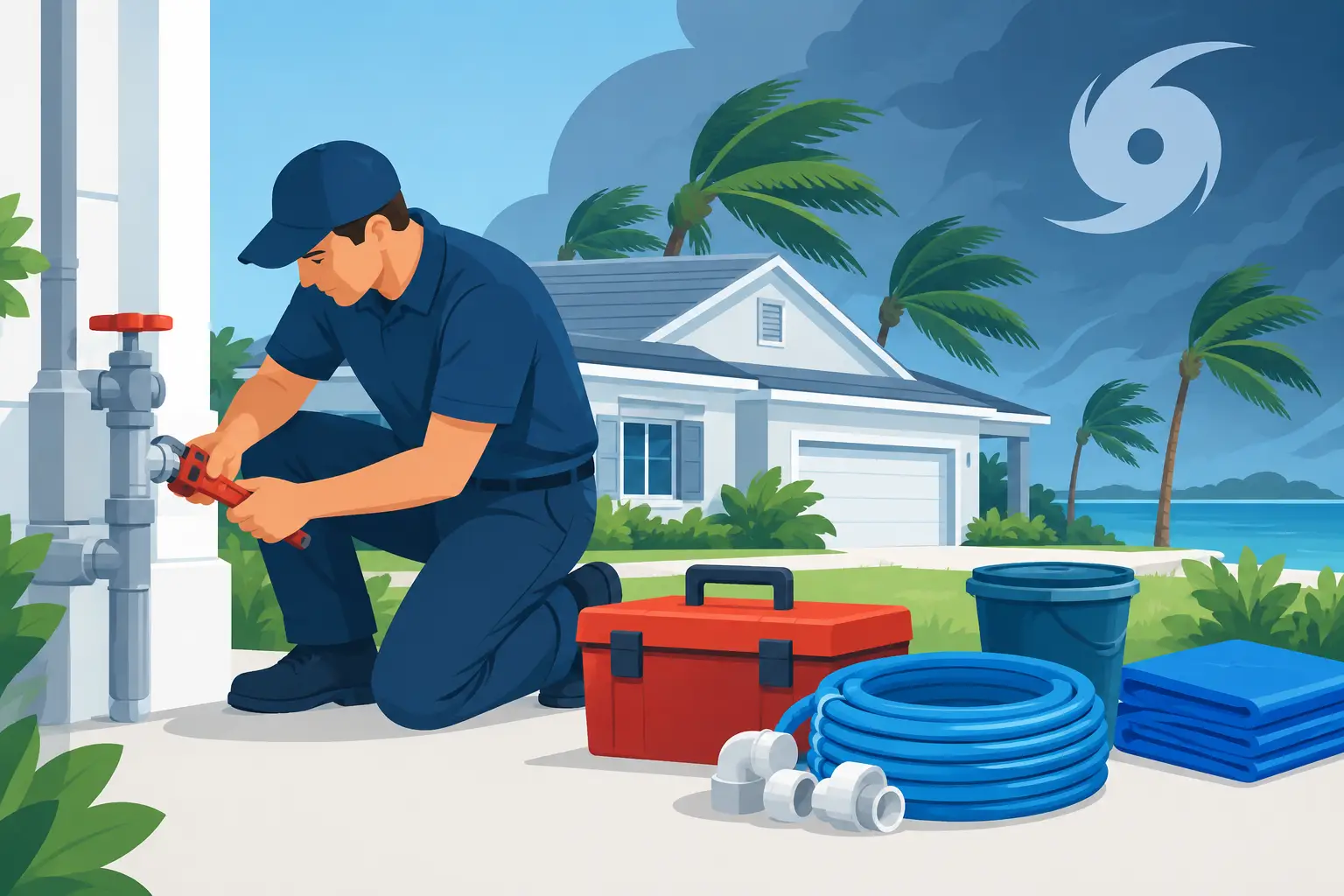
Start by shutting off the water source if you can identify it. For a sink or toilet, that may be the local shutoff valve nearby. For a larger leak, you may need to turn off the home’s main water supply. Every homeowner should know where that main shutoff is before an emergency happens.
Next, turn off power in the affected area if water is near outlets, appliances, or electrical panels. Do this only if it is safe to access the breaker. If there is any doubt, stay clear and wait for a professional.
Move rugs, boxes, small furniture, and personal items away from standing water. If a leak is near cabinets or walls, take photos. That documentation can be useful later if there is extensive damage or an insurance claim becomes necessary.
Do not keep flushing a backed-up toilet or running water into a clogged drain to “see if it clears.” That often makes the mess worse. And avoid reaching for chemical drain cleaners during an emergency. They rarely solve a main blockage and can create hazards for both your plumbing and the technician working on it.
Why fast response saves more than money
Most people think of emergency service as a way to stop immediate inconvenience. That matters, but the bigger issue is how quickly water and waste can affect the structure of your home.
Drywall absorbs water fast. Wood flooring can swell and warp. Cabinets can separate. In Florida’s climate, trapped moisture can linger and create ideal conditions for mold growth. What started as a plumbing repair can become flooring replacement, drywall restoration, and indoor air quality concerns if the response is delayed.
There is also the hidden side of the problem. Water that leaks behind walls or under flooring may not be fully visible at first. By the time staining appears or materials begin to soften, the damaged area may be larger than expected. A fast, professional diagnosis helps contain both the plumbing issue and the secondary damage.
This is one reason homeowners often prefer working with an established company that can handle more than a single narrow repair. If the emergency reveals issues with a water heater, drain line, gas connection, or related home systems, it helps to have one trusted team coordinate the solution instead of piecing it together from multiple contractors.
Common emergency plumbing problems in Central Florida homes
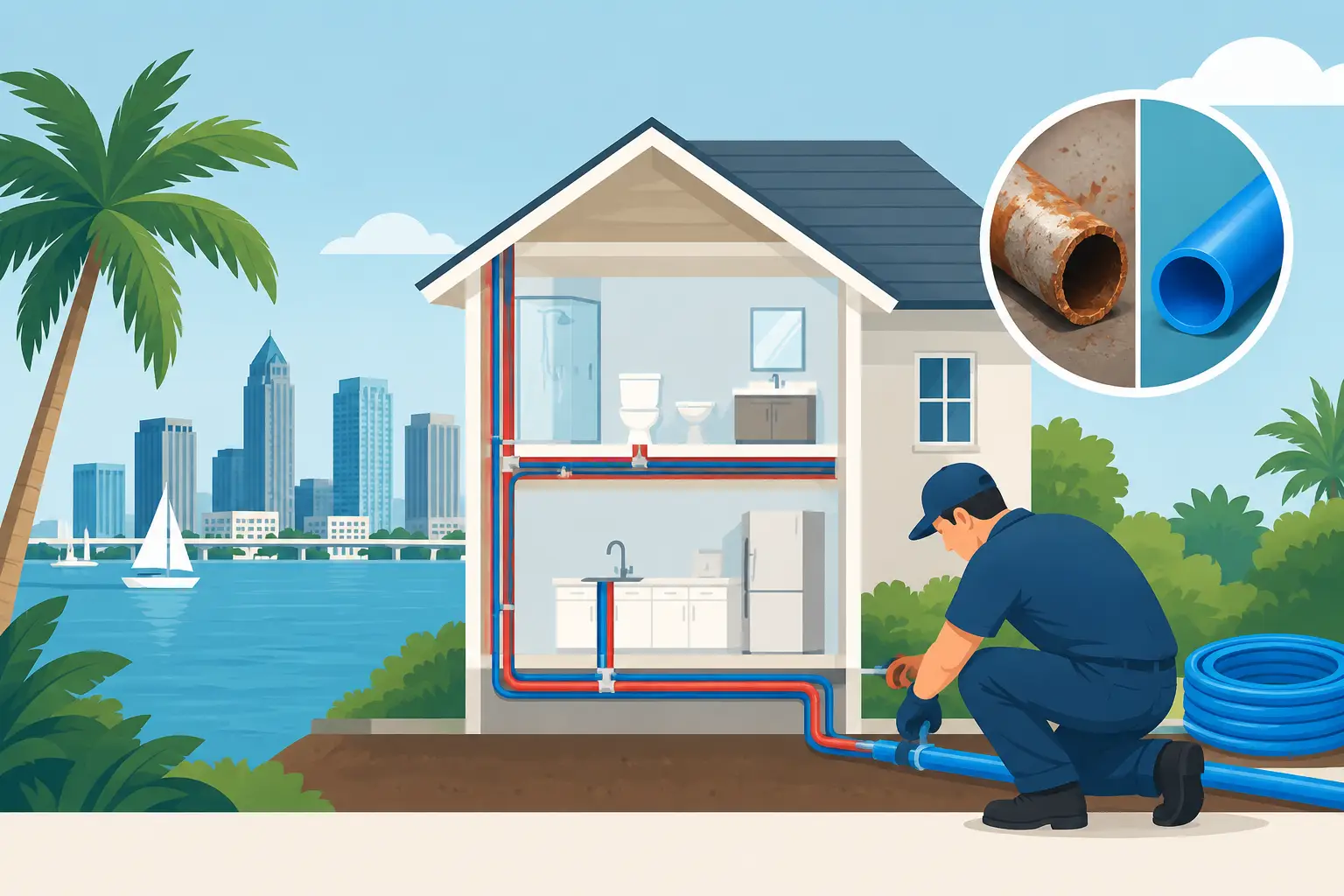
Florida homes face a few patterns that show up again and again. Heavy rain can stress drainage systems and expose weak points in sewer lines. Older homes may have aging pipes, corroded fittings, or outdated shutoff valves that fail at the worst time. Hard water and mineral buildup can also shorten the life of fixtures and water heaters.
Clogged drains are common everywhere, but in family homes, the bigger problem is often what is happening deeper in the line. Grease, wipes, paper buildup, and root intrusion can all contribute to a main drain blockage. When several drains act up together, the issue is usually not at a single sink or tub.
Water heater failures are another frequent emergency call, especially in homes with aging units. Sometimes the problem is limited to lost hot water. Other times, a tank develops a leak and begins releasing water into the garage, utility room, or closet. That is when speed matters.
Leak detection is also critical in this region. A hidden leak under a slab or behind a wall may first show up as rising water bills, musty smells, or damp flooring. If the leak suddenly worsens, emergency response can help reduce structural damage while the source is located and repaired.
Choosing the right emergency plumbing service
When you need help fast, it is easy to focus only on who can get there first. Response time matters, but it should not be the only factor. You also want a company that communicates clearly, shows up prepared, and can handle the full scope of the issue.
Look for 24/7 availability, trained technicians, and a clear service process. You should know what to expect when you call, including when someone can arrive and what steps you can take in the meantime. It also helps to work with a provider that offers broader home services, because plumbing emergencies sometimes intersect with electrical safety, water heater systems, and long-term replacement decisions.
This is where experience and convenience make a real difference. Companies like ACS Home Services are built around helping homeowners solve urgent problems without adding confusion to an already stressful situation. When the call is urgent, reassurance matters, but so does having the equipment, staffing, and service breadth to move from emergency response to a complete fix.
Prevention helps, but emergencies still happen
Regular maintenance lowers the odds of a middle-of-the-night plumbing disaster, but it does not eliminate risk. Shutoff valves fail. Water heaters age out. Drain lines clog. Pipes crack without warning. The goal is not to prevent every problem. It is to catch what you can early and respond quickly when something goes wrong.
If your plumbing system has shown signs of trouble lately, such as recurring clogs, inconsistent water pressure, unexplained moisture, or an aging water heater, it is worth taking action before the problem forces your hand. And if the issue is already causing active damage or unsafe conditions, trust your instincts and call for help.
A plumbing emergency is stressful, but it does not have to spiral. The right response in the first few minutes can protect your home, your budget, and your peace of mind.