

A sharp bang behind the wall when the washing machine stops, a vibration under the kitchen sink, or a repeating rattle near a toilet can make any homeowner worry. The answer to why pipes rattle is not always the same, but the timing and character of the noise offer useful clues. Some sounds are normal effects of changing temperature. Others point to loose pipe supports, excessive water pressure, or a problem that can worsen if it is ignored.
For Tampa Bay and Central Florida homeowners, quick attention is especially worthwhile. Hidden plumbing issues can lead to water damage, wasted water, and a stressful repair at the worst possible time. Here is how to narrow down the cause and decide when it is time for professional help.
Why Pipes Rattle When Water Is Running
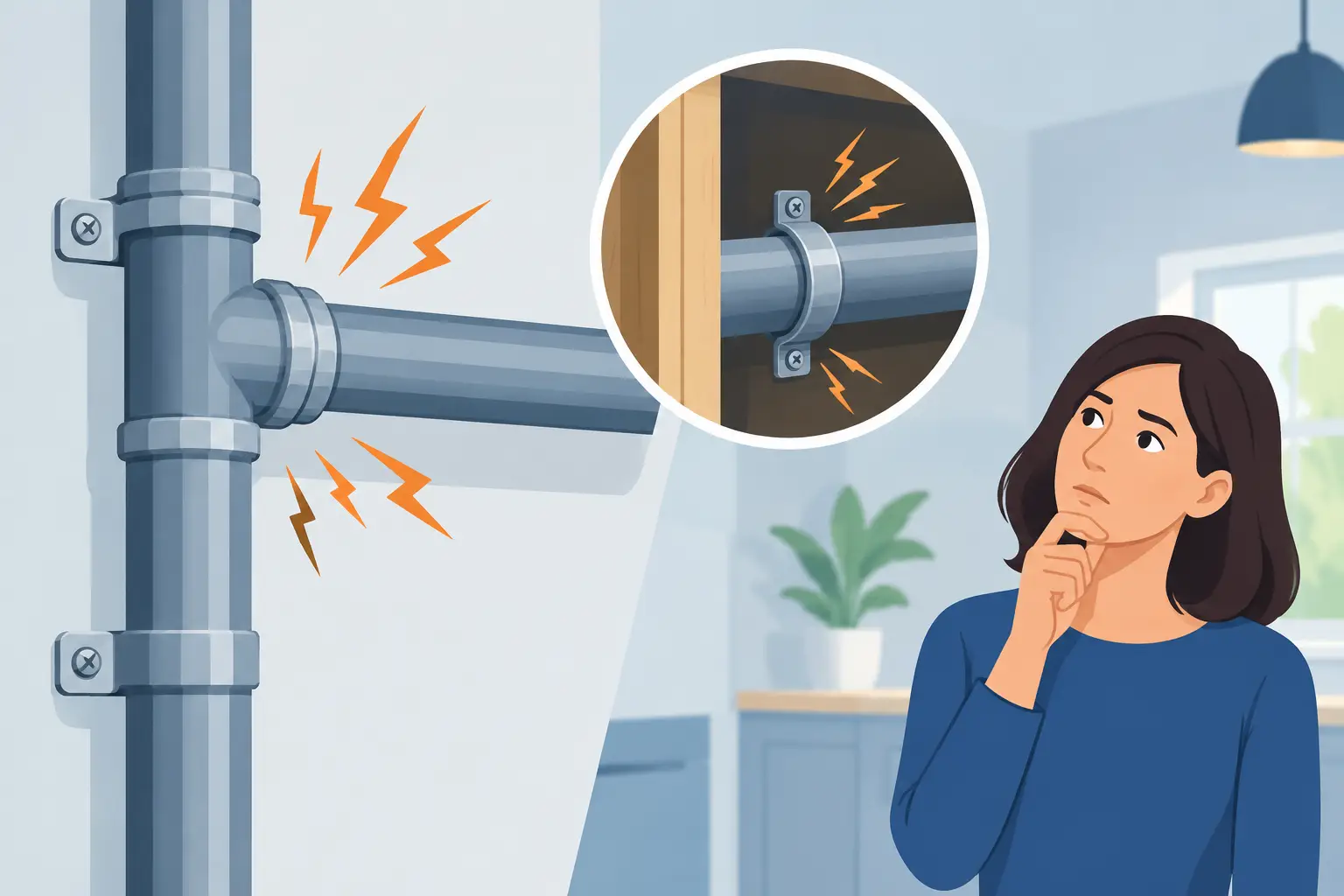
The most common source of a rattling pipe is movement. Water moves through supply lines with force, and a pipe that is not properly secured can vibrate against framing, drywall, another pipe, or a cabinet. The noise may sound like a light metallic shake, a quick tapping, or a buzz that stops as soon as the faucet is turned off.
This often happens near fixtures that use water quickly, including washing machines, dishwashers, ice makers, toilets, and shower valves. A pipe may have been installed with too much room around it, or a support may have loosened over time. In homes with pipes routed through walls or ceilings, the sound can travel, making it difficult to identify the exact location.
A rattle that occurs only while water is flowing is usually less urgent than a loud bang at shutoff, but it still deserves attention. Repeated movement can wear through insulation, loosen fittings, and eventually damage a pipe.
Loose Pipes and Missing Supports
Pipes need room to expand and contract, but they also need proper support. When hangers, clamps, or protective sleeves are missing or loose, the pipe can knock against nearby surfaces as water flows through it.
If you can safely see accessible plumbing below a sink, in a garage, or near a water heater, look for a pipe that visibly shifts when someone runs water. Do not force it into place or tighten fittings. A qualified plumber can secure the line with the correct supports while allowing for normal movement.
Water Hammer: The Loud Bang You Should Not Ignore
If the sound is more of a sudden thud, bang, or series of hard knocks right after water stops, water hammer may be the cause. Water hammer occurs when fast-moving water is stopped abruptly. The force creates a pressure wave that travels through the plumbing system and makes pipes jump or strike their surroundings.
Modern appliances and fixtures can trigger it because they use quick-closing valves. Washing machines are a frequent culprit, particularly during fill cycles. A toilet that produces a bang after flushing or a dishwasher that knocks as it changes cycles may also be creating a pressure surge.
An occasional mild noise does not necessarily mean a pipe is about to fail. However, persistent water hammer puts extra stress on valves, fittings, appliance hoses, and pipe connections. It can also indicate that water pressure is too high or that existing water hammer arrestors are missing, improperly sized, or no longer working.
A plumber can test the system pressure, inspect the affected fixtures, and recommend the right correction. Depending on the home, that may involve installing or replacing arrestors, securing pipe runs, or adjusting a pressure-reducing valve.
High Water Pressure Can Make Pipes Rattle
High water pressure is one of the less visible reasons pipes become noisy. It can make ordinary plumbing sounds louder, increase vibration, and contribute to water hammer. It also shortens the service life of fixtures, supply hoses, valves, and water-using appliances.
Homeowners may notice more than rattling. Signs can include faucets that spray aggressively, toilets that refill noisily, appliance hoses that seem to fail early, or recurring leaks around valves and connections. Water pressure should be checked with the right gauge rather than guessed based on how strong the shower feels.
Pressure can vary by neighborhood and throughout the day. In some homes, a pressure-reducing valve controls incoming water pressure. Like other mechanical plumbing components, it can wear out or fail. Adjusting a pressure valve without diagnosing the system first can create new problems, so this is a repair best left to a trained technician.
Temperature Changes Can Cause Ticking and Rattling
Not every pipe noise involves pressure. Hot water causes pipes to expand, and cooling causes them to contract. When a pipe rubs against wood framing, a metal strap, or a tight opening in a cabinet or wall, you may hear ticking, creaking, or light rattling.
These sounds are often most noticeable after a hot shower, when the dishwasher runs, or when a water heater begins a heating cycle. Plastic and copper pipes can both make expansion noises, although the sound and severity vary with the installation.
Thermal movement is usually not an emergency. Still, a persistent sound may mean the pipe lacks adequate clearance or insulation. A plumber can identify whether the noise is harmless expansion or a pipe that is rubbing hard enough to become damaged over time.
Rattling Near a Toilet, Faucet, or Water Heater
The location of the sound can point to a specific fixture problem.
A rattling or chattering toilet may have a worn fill valve. If the noise begins while the tank refills and ends when it reaches the proper level, the valve may be vibrating as water passes through it. Replacing the failing part can restore quiet operation and prevent ongoing running water.
A faucet that rattles only at certain flow levels may have a loose washer, cartridge, aerator, or shutoff valve. Mineral buildup can also restrict water flow and create vibration. Central Florida water conditions can contribute to buildup over time, particularly in fixtures and water-using equipment that have not been maintained.
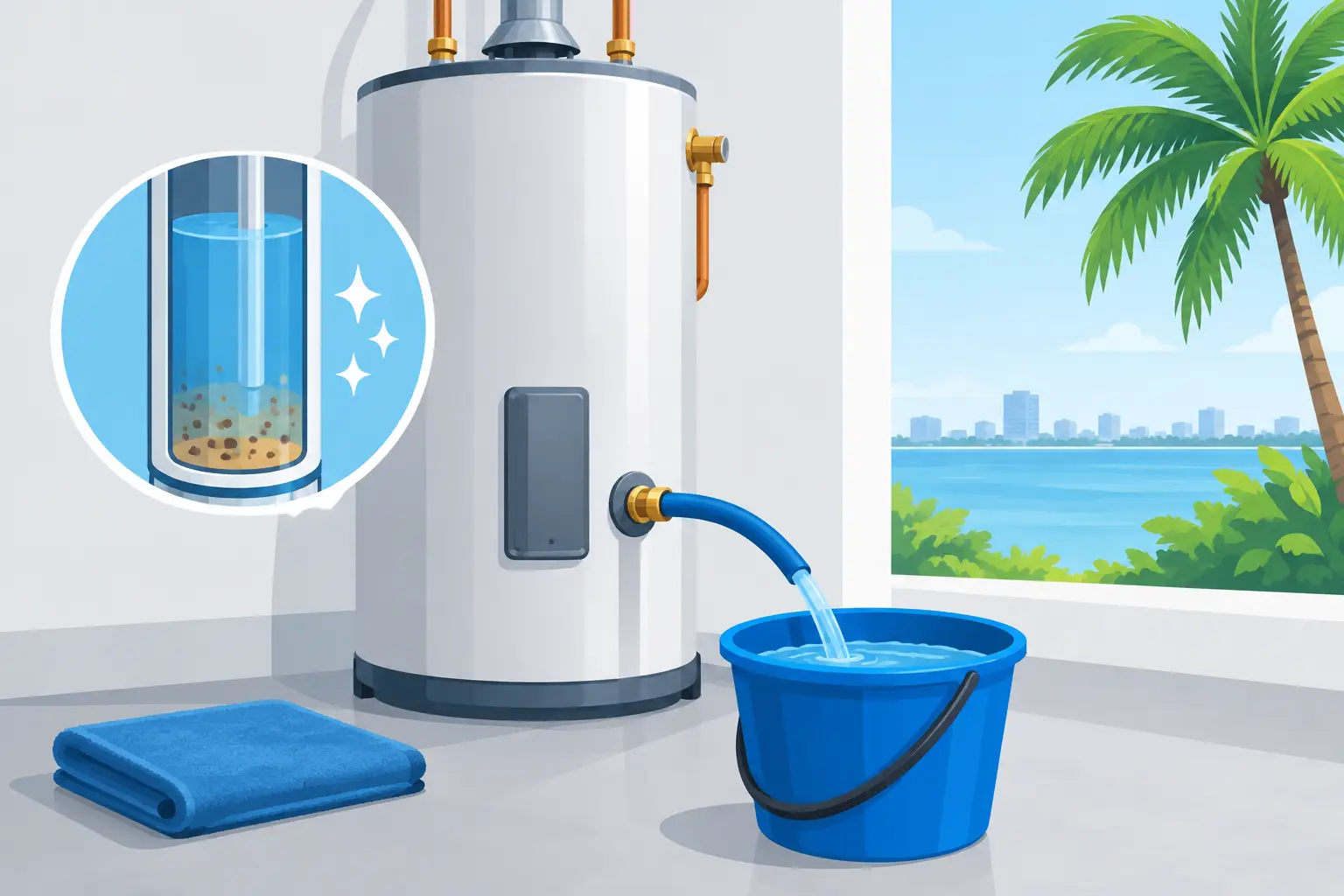
Noises near a water heater may come from expanding pipes, high pressure, sediment, or a related valve issue. If you hear rumbling from the tank itself, see moisture around the unit, smell gas near a gas water heater, or notice water from the temperature and pressure relief valve, arrange service promptly. Do not cap or tamper with the relief valve.
What You Can Check Safely Before Calling
A few simple observations will help make a plumbing visit more efficient. Note whether the sound occurs when water starts, while it flows, or immediately after it stops. Then determine whether one fixture triggers the noise or whether it happens throughout the home.
You can also check visible areas for obvious movement, dripping, corrosion, or damaged appliance hoses. If a washing machine causes the bang, try to identify whether it occurs during hot water fill, cold water fill, or both. Avoid opening walls, adjusting a pressure-reducing valve, or aggressively tightening pipe connections. A small mistake can turn a noise issue into a leak.
If the rattle is accompanied by reduced water pressure, discolored water, a damp spot on a wall or ceiling, moldy odors, or a sudden increase in your water bill, treat it as more than a nuisance. Those signs can indicate a leak or broader plumbing issue that needs prompt diagnosis.
When to Schedule Plumbing Service
Call for professional plumbing service when banging is loud or frequent, pipes visibly shake, the noise is getting worse, or you suspect high water pressure. Immediate attention is also wise if you see active leaking, water stains, pooling water, or damage around a water heater or appliance connection.
A thorough visit should focus on the cause rather than simply quieting the sound for a day. The technician may inspect water pressure, pipe supports, fixture valves, appliance connections, water hammer protection, and accessible plumbing runs. That approach helps prevent repeat calls and protects the systems you depend on every day.
ACS Home Services provides professional plumbing support for homeowners across the Tampa Bay and Central Florida area, including same-day availability for many urgent plumbing concerns. When the noise is persistent or paired with a leak, scheduling early can help protect your home before a minor vibration becomes a larger repair.
A quiet plumbing system is not just about comfort. Pay attention to when the sound occurs, keep an eye out for moisture, and act quickly when a rattle turns into a bang, a leak, or a loss of water pressure.