

Furnace or heat pump? For many Tampa homeowners, a heat pump offers efficient heating and cooling from one system, while a furnace can provide powerful, dependable heat during colder weather. The right choice depends on your existing HVAC equipment, energy source, comfort preferences, budget, and plans for the home.
Florida’s warm climate may make heating equipment seem like a minor consideration. However, a reliable system becomes important when a cold front arrives and indoor temperatures begin to drop. Understanding how furnaces and heat pumps operate can help you make a practical decision without paying for features your home does not need.
What Is the Difference Between a Furnace and a Heat Pump?
A furnace creates heat and distributes it through the home’s ductwork. Depending on the equipment, it may use natural gas, propane, oil, or electricity as its energy source.
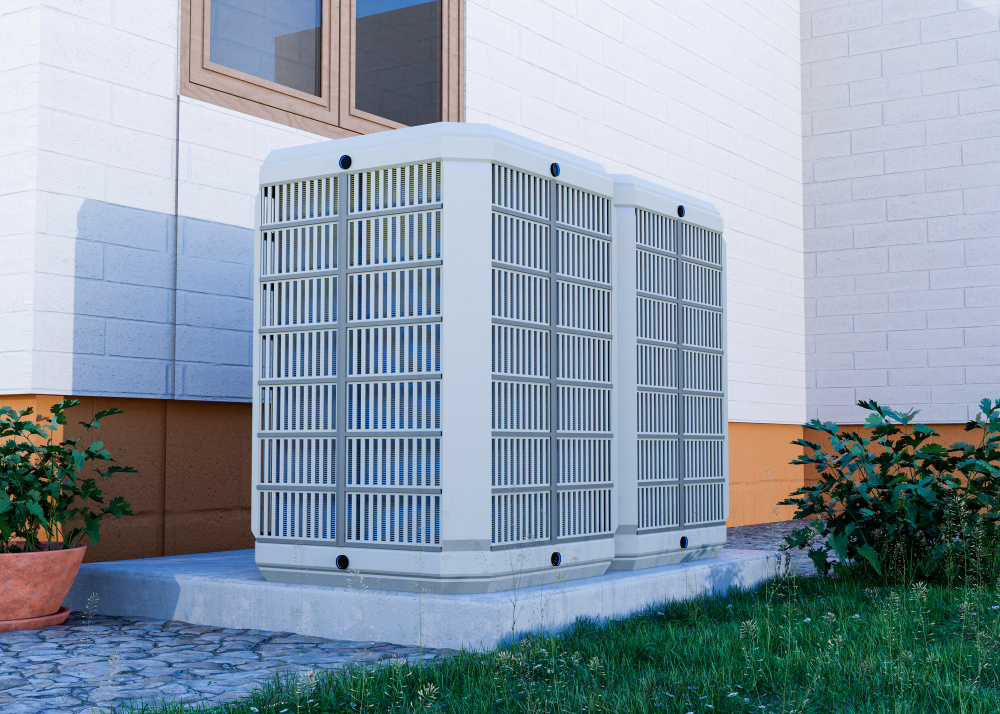
A heat pump works differently. Instead of generating heat, it transfers heat from the outdoor air into your home. During warmer months, the process reverses, allowing the same equipment to cool your home.
The biggest difference is that a furnace only heats, while a heat pump can provide both heating and cooling. Homeowners comparing complete HVAC systems can review the available heating and cooling services from ACS Home Services before deciding which setup fits their property.
How Does a Furnace Heat Your Home?
A furnace heats air inside the equipment and uses a blower to move that air through the duct system. Gas furnaces produce heat through combustion, while electric furnaces use electric heating elements.
Homeowners often appreciate furnaces for the following reasons:
- They can deliver warm air quickly.
- They provide reliable heat during unusually cold weather.
- They may work with ductwork that is already installed.
- They are available in several fuel and efficiency configurations.
A furnace can be a sensible option when a home already has the necessary fuel connection and compatible ductwork. It may also appeal to homeowners who prefer the warmer supply-air temperature commonly associated with furnace heating.
If your current system is making unusual noises, producing inconsistent temperatures, or failing to start, professional furnace repair in Tampa can determine whether the problem is repairable or whether replacement deserves consideration.
How Does a Heat Pump Work?
A heat pump uses refrigerant and a compressor to transfer thermal energy. Even when the outdoor air feels cool, it typically contains enough heat for the system to collect and move indoors.
During summer, the heat pump operates much like a central air conditioner. It removes heat from your indoor air and transfers it outside.
Heat pumps are popular with Tampa homeowners because they offer several practical benefits:
- One system provides both heating and cooling.
- Heat is transferred instead of created through combustion.
- Performance is well suited to Florida’s generally mild winters.
- The system can maintain steady, even indoor temperatures.
A heat pump can be an efficient all-in-one comfort solution for many Florida homes. ACS Home Services provides Tampa heat pump repair, maintenance, and installation for homeowners considering this type of equipment.
Which System Makes More Sense in Tampa?
Tampa’s climate generally favors heat pumps because the region has long cooling seasons and comparatively mild winters. A heat pump can handle both needs without requiring separate heating and cooling systems.
That does not mean a heat pump is automatically the best choice for every property. A furnace may remain practical if your home already has one, the unit is in good condition, and replacing it with a different system would require substantial modifications.
Consider these questions before choosing:
- Does the home already have a furnace, heat pump, or central air conditioner?
- Is natural gas available at the property?
- Will the existing ductwork support the proposed equipment?
- Are you replacing only the heater or the entire HVAC system?
- How long do you expect to remain in the home?
- Do you prefer stronger bursts of heat or longer, steadier cycles?
An HVAC technician can inspect the existing equipment, ductwork, electrical system, and available space. That evaluation provides a better basis for comparison than equipment prices alone.
Furnace and Heat Pump Energy Use
Furnaces and heat pumps use energy in different ways, so their efficiency ratings are not directly interchangeable. Furnaces are typically evaluated by annual fuel utilization efficiency, while heat pumps use seasonal ratings for heating and cooling performance.
A heat pump often uses less energy for heating in a mild climate because it moves existing heat rather than creating all of it. Actual operating costs still depend on local utility rates, equipment efficiency, thermostat settings, maintenance, insulation, and household habits.
Before selecting a system, compare:
- The equipment’s heating and cooling efficiency ratings
- Estimated operating costs under typical Tampa conditions
- Installation costs and required property modifications
- Manufacturer warranty and recommended maintenance
- Expected service life for the complete system
- Available comfort controls and thermostat compatibility
The lowest installation quote is not always the least expensive long-term option. Energy consumption, repair history, warranty coverage, and maintenance requirements all affect the actual cost of ownership.
Comfort Differences Homeowners May Notice
A furnace usually delivers air at a higher temperature, which can make the home feel warmer quickly. Heat pumps tend to run for longer periods while supplying moderately warm air, resulting in more gradual and consistent heating.
Neither approach is inherently better. The preferred experience depends on the homeowner and the building. Proper sizing has a major effect on comfort with either system.
Oversized equipment may start and stop too frequently. Undersized equipment may struggle to reach the thermostat setting. Both situations can create uneven temperatures, unnecessary wear, and avoidable energy use.
Should You Repair or Replace Your Current Heating System?
A heating problem does not always mean the equipment needs to be replaced. A failed capacitor, thermostat issue, dirty component, or minor electrical problem may have a straightforward repair.
Replacement may deserve consideration when:
- The system needs frequent or increasingly expensive repairs.
- Some rooms remain uncomfortable despite normal operation.
- Heating costs have risen without a clear change in usage.
- The equipment is approaching the end of its expected service life.
- Replacement parts are becoming difficult to obtain.
- You want to replace separate heating and cooling units together.
If the system stops heating, makes new noises, or repeatedly shuts down, schedule a professional diagnosis. ACS Home Services offers heating repair services to identify the cause and explain the available options.
How to Choose the Right Size and Configuration
Heating equipment should not be selected using square footage alone. A proper evaluation considers the home’s insulation, windows, ceiling height, air leakage, sun exposure, ductwork, and other building characteristics.
The assessment should also account for:
- The condition and layout of existing air ducts
- The home’s electrical capacity or available fuel source
- Humidity control and indoor air quality needs
- The location and condition of the outdoor equipment
Correct sizing supports comfort, efficiency, moisture control, and equipment longevity. A professional recommendation should explain why a particular capacity and system type are appropriate for your home.
Schedule a Heating System Evaluation in Tampa
You do not have to choose between a furnace and a heat pump without guidance. ACS Home Services can evaluate your existing HVAC setup, discuss how you use your home, and explain the advantages and limitations of suitable replacement options.
Call (833) 278-8886 or contact ACS Home Services online to schedule an appointment. You can also view ACS Home Services on Google Maps.
FAQ
Is a furnace or heat pump better for a Florida home?
A heat pump is often a strong fit for a Florida home because it provides efficient heating during mild winters and cooling during the long warm season. A furnace may still be appropriate when the property already has compatible equipment and a suitable fuel source.
Can a heat pump keep my Tampa home warm in winter?
Yes. Modern heat pumps are designed to collect heat from outdoor air even when temperatures feel cool. Tampa’s relatively mild winter conditions are generally favorable for heat pump operation.
Does a heat pump replace an air conditioner?
Yes. A heat pump can cool a home in summer and heat it in winter. It uses many of the same components as a central air conditioner but can reverse its operating cycle to provide heat.
Is a gas furnace cheaper to operate than a heat pump?
Operating costs depend on fuel prices, electricity rates, equipment efficiency, weather, and household usage. In a mild climate, an efficient heat pump may use less energy for heating, but each home should be evaluated individually.
How long do furnaces and heat pumps last?
Service life varies based on equipment quality, installation, maintenance, usage, and environmental conditions. Regular inspections, filter changes, and prompt repairs can help either type of system operate reliably for longer.
Can I replace a furnace with a heat pump?
In many homes, yes. The project may require changes to electrical service, controls, indoor equipment, refrigerant lines, or ductwork. An HVAC evaluation can identify what must be modified before installation.
Why does my heat pump blow air that does not feel hot?
Heat pumps commonly supply air at a lower temperature than furnaces. The air may feel lukewarm at the vent even though the system is steadily raising the home’s temperature. Air that feels cold or a home that never reaches its thermostat setting should be inspected.
How can I decide whether to repair or replace my heating system?
Consider the system’s age, repair history, efficiency, comfort performance, and the cost of the proposed repair. A technician can diagnose the immediate problem and compare the repair cost with the expected benefits of replacement.