

If your air conditioner quits in the middle of a Tampa summer, it rarely feels random. In many cases, the warning signs were there first – weaker airflow, longer run times, rising energy bills, or a system that never quite gets the house comfortable. A solid ac tune up checklist helps catch those issues early, before they turn into an urgent repair on the hottest day of the week.
For Florida homeowners, maintenance is not just about efficiency. It is about protecting comfort during long cooling seasons, reducing strain on equipment, and avoiding the kind of breakdown that disrupts your whole household. The checklist below covers what matters most, what you can safely check yourself, and where a trained technician adds real value.
What an AC tune up checklist should cover
A proper maintenance visit is more than a quick filter change and a glance at the thermostat. Your AC system has moving parts, electrical components, drainage lines, refrigerant controls, and airflow requirements that all work together. If one part slips out of range, the rest of the system often has to work harder.
That is especially true in Central Florida, where systems run hard for much of the year. Heat, humidity, pollen, salt air in some coastal areas, and long cooling cycles all add wear. A useful ac tune up checklist should focus on performance, safety, efficiency, and early problem detection.
Start with the air filter and airflow
The simplest item on the list is often the one that gets ignored most. A dirty air filter can restrict airflow enough to reduce cooling performance, increase energy use, and put stress on the blower motor and evaporator coil. In severe cases, poor airflow can contribute to coil freezing.
Most homeowners should check the filter monthly and replace it based on system use, pets, indoor air quality needs, and filter type. There is no single schedule that fits every home. A busy house with pets may need more frequent changes than a smaller household with lighter AC use.
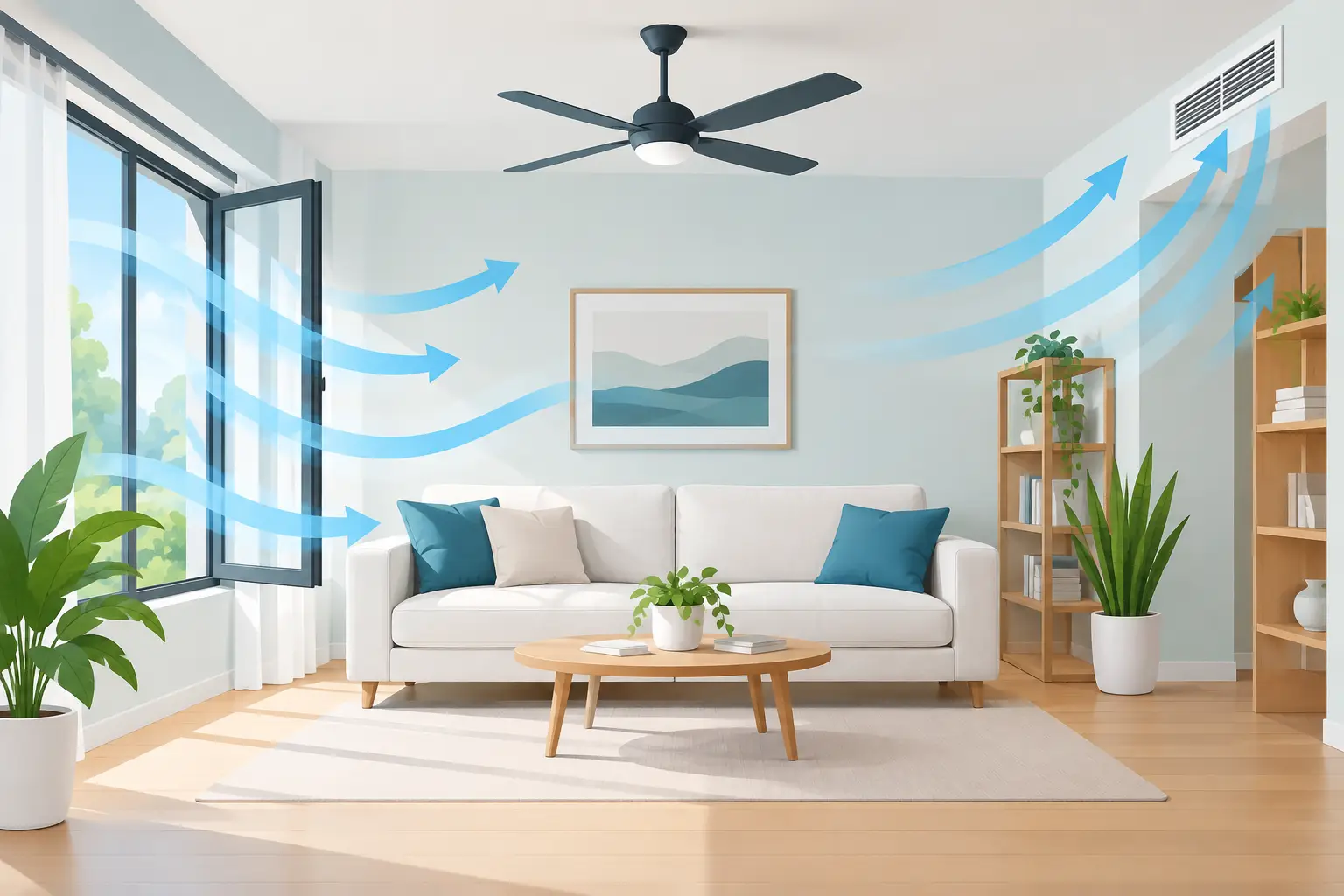
Airflow also includes supply vents, return grilles, and visible duct issues. Closed vents, blocked returns, or disconnected duct sections can cause uneven cooling and longer run times. If one room always feels warmer than the rest, that is worth attention during a tune up.
Check thermostat operation and system response
A tune up should verify that the thermostat is reading accurately and communicating properly with the system. If the thermostat is off by even a few degrees, the house may feel uncomfortable even when the system appears to be running normally.
This is also the time to check how the system starts and stops. Does it cycle on smoothly? Does it shut off when it reaches the set temperature? If the unit short cycles or runs nonstop, there may be issues with airflow, refrigerant, electrical components, or thermostat calibration.
For homeowners with programmable or smart thermostats, settings matter. An aggressive setback schedule can save money in some homes, but in Florida humidity it can also make recovery harder and lead to comfort complaints. The right setup depends on insulation, occupancy, and how quickly your system can remove heat and moisture.
Inspect and clean the outdoor condenser
Your outdoor unit needs room to breathe. Leaves, grass clippings, dirt, and overgrown landscaping can restrict airflow around the condenser coil and make heat transfer less effective. That means higher operating pressure, reduced efficiency, and more wear on the compressor.
During an AC tune up checklist review, the area around the condenser should be cleared and the coil inspected for buildup. The cabinet should also be checked for damage, loose panels, or signs of vibration. Homeowners can gently clear debris around the unit, but coil cleaning should be handled carefully. Too much water pressure or the wrong cleaning method can bend fins or damage components.
Florida weather adds another layer here. Storm debris, frequent rain, and heavy plant growth can cause a unit to get dirty faster than many homeowners expect.
Evaluate the indoor coil and drain line
The evaporator coil inside your home is where heat and humidity are removed from indoor air. If that coil is dirty, your system loses performance quickly. Because the coil is not always easy to access, it often gets missed until the system starts showing symptoms.
Condensate drainage matters just as much. A clogged drain line can cause water leaks, overflow shutoffs, and moisture problems around the air handler. In Florida, where AC systems pull a lot of humidity from the air, drain lines work hard. A tune up should include checking the drain pan, clearing the line if needed, and making sure water is draining properly.
If you have seen water near the indoor unit, smelled mustiness, or experienced the system shutting off unexpectedly, drainage should be high on the checklist.
Test electrical components and connections
Many AC failures start with electrical wear. Capacitors weaken, contactors pit, wire connections loosen, and motors begin drawing the wrong amperage. These issues may not be obvious to a homeowner, but they can often be spotted during maintenance before they lead to a no-cool call.
A technician should inspect electrical connections, test capacitors and contactors, check motor operation, and verify voltage and amp draw where appropriate. This is one of the clearest examples of why professional service matters. Electrical components can be hazardous, and accurate testing requires the right tools and training.
If your AC has been making buzzing sounds, struggling to start, or tripping breakers, this part of the checklist is especially important.
Verify refrigerant performance, not just refrigerant level
Homeowners often hear that an AC tune up includes checking refrigerant. That is true, but the goal is not simply topping it off. Refrigerant is part of a sealed system. If levels are low, there is usually a leak or another system problem that needs to be identified.
A thorough tune up looks at operating pressures, temperature differences, and overall system performance. Low refrigerant can reduce cooling, increase humidity indoors, and strain the compressor. On the other hand, poor cooling is not always a refrigerant issue. Dirty coils, airflow restrictions, or metering problems can create similar symptoms.
That is why diagnosis matters. Guessing wastes time and can get expensive fast.
Inspect blower components and overall system cleanliness
The blower assembly plays a major role in comfort. If the blower wheel is dirty or the motor is wearing out, airflow can drop across the whole home. That can show up as weak air from vents, rooms that cool unevenly, or a system that runs longer than it should.
A tune up should include inspection of the blower motor and related components, along with a general review of system cleanliness inside the air handler. Dust buildup inside the cabinet does not always mean a major issue, but it can point to filter bypass, duct leakage, or deferred maintenance.
Safety checks still matter on an AC system
Even though cooling equipment is mostly about comfort, safety is still part of the job. A professional tune up should confirm the system is operating within manufacturer standards, that disconnects and wiring appear secure, and that any safety controls are functioning properly.
For homes with heat pump systems or shared HVAC equipment, seasonal checks can overlap with heating functions too. If your home relies on the same system for year-round climate control, it makes sense to look at the full picture rather than treating cooling in isolation.
What homeowners can do between tune ups
There are a few maintenance tasks that are practical and safe for most homeowners. Change the filter regularly, keep the area around the outdoor unit clear, make sure vents are open and unblocked, and pay attention to new noises, odors, or changes in cooling performance.
What you should not do is open sealed components, handle refrigerant, or work inside energized electrical sections. A lot of online advice makes AC maintenance look simpler than it is. Some basic care is helpful. Real testing and adjustment still belong to a trained technician.
When to schedule service in Florida
In this region, once-a-year maintenance is the minimum for many systems, but some homes benefit from more frequent checks. If your unit is older, runs nearly year-round, or has a history of drainage or airflow issues, twice-yearly service may make more sense.
Spring is ideal because it gives you a chance to catch problems before extreme heat arrives. Still, if you missed that window, it is better to schedule now than wait until your system fails under peak demand. Companies like ACS Home Services also see plenty of emergency calls that started as small maintenance issues homeowners hoped would go away.
A practical AC tune up checklist
If you want a clear benchmark for what should be reviewed, here is a practical checklist: inspect and replace the air filter if needed, test thermostat function, inspect airflow and visible duct issues, clean or inspect condenser coils, clear debris around the outdoor unit, inspect the evaporator coil, check and clear the condensate drain line, test capacitors and contactors, inspect electrical connections, evaluate blower operation, verify refrigerant performance, and confirm overall system safety and cooling operation.
That list is not about checking boxes for the sake of it. Each item affects comfort, efficiency, or reliability in a real way. Skip enough of them, and the system usually tells you eventually.
The best time to think about your AC is when it is working fine. That is when you still have options, flexibility, and the chance to fix a small issue before Florida heat makes it urgent.