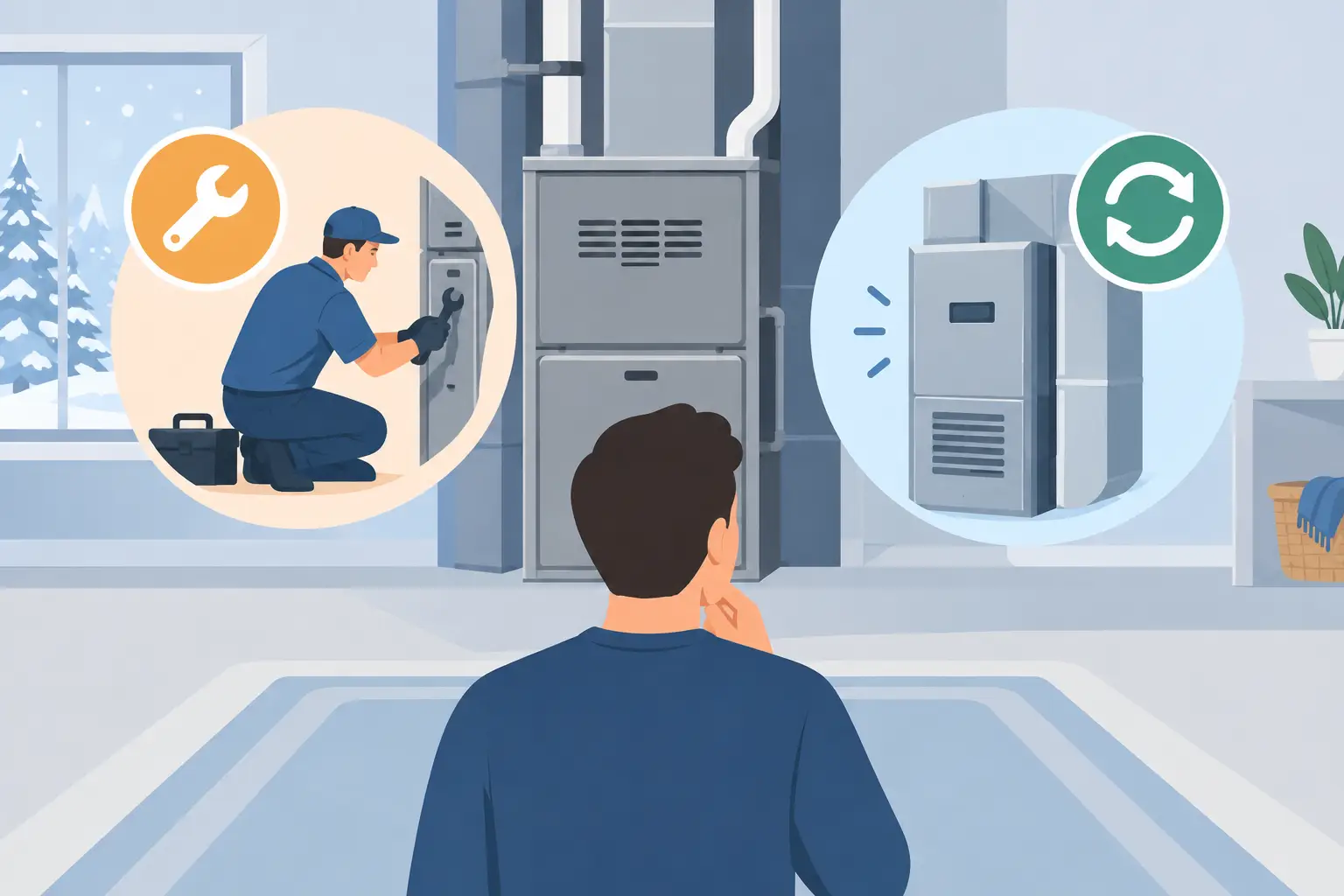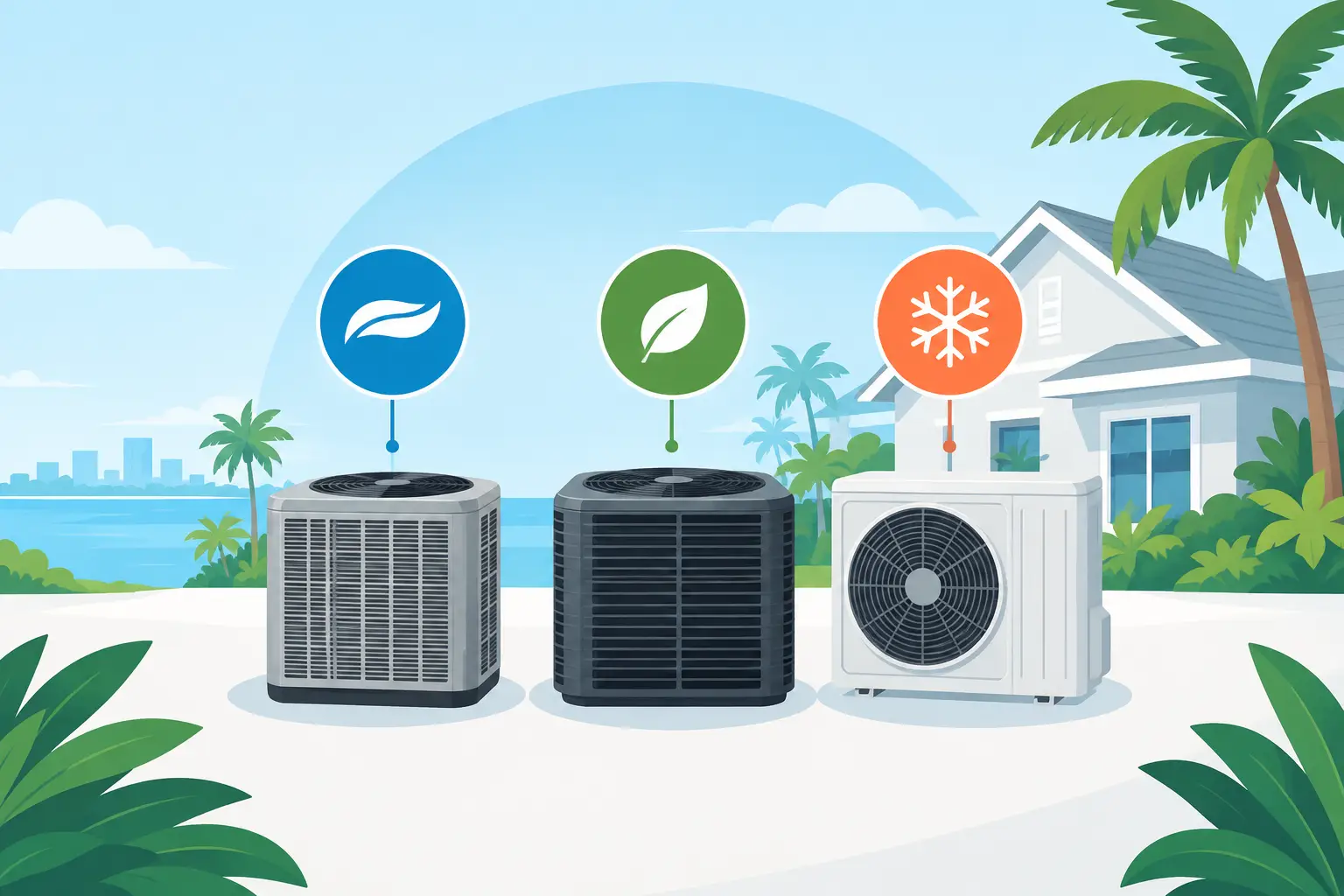


Florida homeowners usually ask this question after a repair bill, not before. When your system is struggling through another long stretch of Tampa heat, the choice between a heat pump vs air conditioner gets very real very fast. The right answer depends on how you use your home, what kind of heating you have now, and whether you want the lowest upfront price or better year-round efficiency.
For many homes in Central Florida, both options can work well. But they do not work the same way, and the differences matter when you are replacing a system that runs hard for most of the year.
Heat pump vs air conditioner: the core difference
At a glance, a central air conditioner cools your home and does only that. A heat pump cools your home in summer and can reverse operation to heat your home in winter. In cooling mode, they are very similar. Both move heat out of the house, both rely on indoor and outdoor equipment, and both can deliver strong comfort when they are properly sized and installed.
The key difference shows up when temperatures drop. An air conditioner needs a separate heating system, such as a furnace or electric heat strips. A heat pump handles both heating and cooling through one primary system.
That makes heat pumps especially appealing in places like Tampa, Clearwater, Sarasota, and Lakeland, where winter is usually mild. Florida homeowners do not need long, heavy-duty heating seasons. They need reliable cooling first, with efficient heating for cooler mornings and short cold snaps.
Why heat pumps make sense in Florida
In colder states, heat pump conversations often get complicated. In Florida, the case is usually simpler.
A heat pump is often a strong fit because it gives you efficient air conditioning during the long cooling season and efficient electric heating during the shorter heating season. Since our winters are not severe for extended periods, a heat pump can usually handle the heating demand well.
That matters for monthly utility costs. Electric resistance heat, which is common as backup heat in some AC-based systems, can be expensive to run. A heat pump generally uses less electricity when heating because it transfers heat instead of generating it the hard way.
For homeowners who want one system that covers both comfort needs without adding gas equipment, a heat pump can be a practical, clean solution.
When an air conditioner may still be the better choice
An air conditioner is not outdated or second-best. In some homes, it is still the smarter choice.
If you already have an effective heating setup that you are happy with, replacing only the cooling side with a new AC may be more cost-effective. This can be true if your existing heat source is in good condition and your main problem is simply an aging condenser or air handler.
Upfront cost can also shape the decision. Depending on the system and installation details, a standard air conditioner paired with your existing heating equipment may come in lower than a full heat pump replacement. If budget is the primary concern right now, that may be enough to tip the scales.
There is also a familiarity factor. Some homeowners are used to the way their current setup performs and prefer to stay with a similar design. If the system has served the home well and the ductwork, electrical setup, and heating components are all in solid shape, replacing with like-for-like equipment can be the least disruptive path.
Heat pump vs air conditioner on energy efficiency
In cooling mode, modern heat pumps and modern air conditioners can be very similar in efficiency. What matters most is the SEER2 rating, correct system sizing, duct condition, airflow, and installation quality. A high-efficiency system installed poorly will not deliver the performance you paid for.
The bigger efficiency gap usually appears in heating mode. A heat pump can be much more efficient than electric resistance heat during Florida winters. That means homeowners who currently rely on less efficient electric heating may see meaningful savings after switching to a heat pump.
Still, efficiency claims need context. If your home has leaky ducts, weak insulation, or thermostat issues, even the best equipment can underperform. The system is only one part of the comfort picture.
Comfort differences you may actually notice
This is where the conversation gets more personal. Two systems can look good on paper and still feel different in day-to-day use.
Heat pumps typically deliver heat that feels gentler than the blast of very hot air some homeowners expect from a furnace-based system. The house stays comfortable, but the air coming from the vents may not feel as hot to your hand. That does not mean the system is failing. It is just a different heating experience.
In cooling mode, both systems can provide excellent comfort when paired with the right thermostat, airflow setup, and humidity control strategy. In Florida, humidity removal matters almost as much as temperature. A properly matched system should cool consistently without short cycling, because short cycles can leave the home cool but clammy.
That is one reason sizing matters so much. Bigger is not better. An oversized unit may lower the temperature fast while doing a poor job of removing moisture. For Florida households, that can make comfort worse, not better.
Installation costs and long-term value
The cheapest option at install is not always the least expensive over time. That is especially true if you plan to stay in your home for years.
A heat pump may cost more upfront in some replacement scenarios, but it can offer lower operating costs if it replaces a less efficient electric heating method. An air conditioner may cost less initially if it works with heating equipment you already have and trust.
The home itself also affects the final number. Duct modifications, electrical upgrades, equipment location, insulation issues, and thermostat compatibility can all influence total project cost. So can equipment tier. Basic systems, high-efficiency systems, and variable-speed systems all come with different price points and performance benefits.
That is why homeowners are often better served by looking at the full picture instead of chasing the lowest equipment quote. The better question is this: which system will keep your home comfortable, your power bills manageable, and your repair risk lower over the next several years?
Which system is better for an older Florida home?
Older homes can go either way. If the home has aging ductwork, poor airflow, or outdated electrical components, those issues should be addressed before expecting any new HVAC system to perform its best.
A heat pump can be a great match for an older Florida home if the home does not have gas service and needs both heating and cooling from one efficient system. But if the house already has a separate heating system that works well, an air conditioner replacement may be perfectly reasonable.
This is also where a load calculation matters. Older homes often have additions, window upgrades, insulation gaps, or room-by-room comfort issues that change what size system is actually needed. A quick guess based on square footage alone can lead to years of frustration.
Signs a heat pump may be the better fit
A heat pump is often the better choice if you want one system for both heating and cooling, your current heat is expensive to run, and you want better efficiency during Florida’s cooler months. It also makes sense if your existing system is due for full replacement rather than a partial equipment swap.
Homeowners who prefer all-electric homes often lean this direction too. It can simplify the setup while still delivering strong comfort throughout the year.
Signs an air conditioner may make more sense
An air conditioner may be the better fit if your home already has a dependable heating system, you want to keep initial replacement costs lower, or you are replacing only the cooling side of the system. It can also be a sensible option if your current configuration has worked well and there is no strong reason to redesign it.
What matters is not choosing the trendier option. It is choosing the option that fits your home, your budget, and your comfort priorities.
The real decision comes down to your house
The heat pump vs air conditioner question cannot be answered well from a product brochure alone. Two homes on the same street can need different solutions based on insulation, duct leakage, system age, electrical capacity, and how the family uses the space.
For example, a homeowner who works from home all day may care more about even temperatures and humidity control than someone who is out most of the time. A family in a larger two-story house may need a different equipment strategy than a couple in a smaller single-story home. Property managers may prioritize dependable performance and simpler service planning over premium features.
That is why a real evaluation matters. A trusted HVAC professional should look at more than the old unit’s tonnage. They should evaluate airflow, duct design, insulation conditions, thermostat operation, and your existing heating setup before recommending replacement.
If you are weighing a heat pump vs air conditioner in the Tampa area, the smartest next step is not guessing based on a neighbor’s system or a quick online price. It is getting a recommendation built around your actual home, your energy goals, and the kind of comfort you want when Florida weather is doing what it always does – changing fast and demanding a system you can count on.