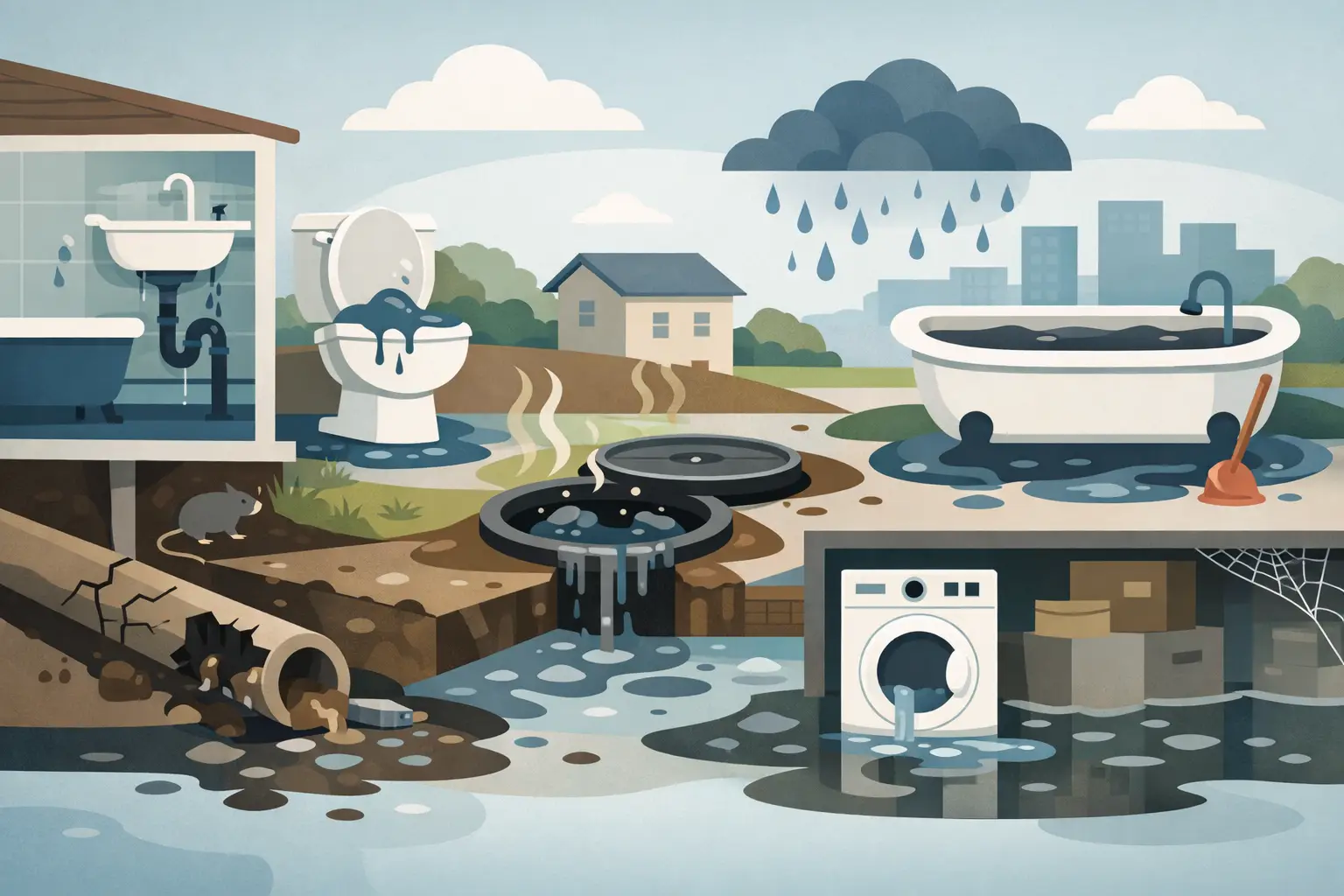


A water stain that seems to grow for no reason, a musty smell you cannot track down, or a utility bill that suddenly jumps – these are often early signs of hidden water leak problems. In Florida homes, where heat, humidity, and frequent AC use already put stress on plumbing systems, a leak behind a wall or under a slab can go unnoticed longer than most homeowners expect.
That is what makes hidden leaks so expensive. The water itself is only part of the problem. Left alone, even a small leak can damage drywall, flooring, cabinets, insulation, and framing. It can also create the kind of damp environment that mold loves. The sooner you spot the warning signs, the better your chances of keeping the repair smaller, cleaner, and far less disruptive.
Why hidden leaks are easy to miss
Most homeowners know when a pipe bursts. Hidden leaks are different. They usually start small and stay out of sight in walls, ceilings, crawl spaces, attics, or under concrete slabs. Instead of an obvious flood, you get gradual clues that are easy to dismiss at first.
In Central Florida, those clues can be even trickier because humidity already makes homes feel damp, and summer utility bills often rise for other reasons. That is why it helps to know which changes point to plumbing trouble and which ones are just seasonal.
1. Your water bill rises without a clear reason
One of the most reliable signs of hidden water leak issues is a water bill that climbs even though your usage has not changed. If your household routine is the same and no one has been filling a pool, watering landscaping more often, or hosting guests, a spike deserves attention.
A single dripping fixture usually does not create a dramatic jump right away, but a steady leak behind a wall or under the home can. Compare the latest bill to the same month last year if you can. That gives you a better baseline than comparing it to a cooler or wetter month when water use may naturally differ.
2. You smell musty odors in one area of the house
A persistent musty smell is often moisture speaking before you can see the damage. If a room, closet, bathroom wall, or section of flooring smells damp no matter how much you clean, trapped water may be nearby.
This is especially common when a slow leak wets drywall, wood, or insulation over time. Air fresheners may cover it for a while, but they do not remove the source. If the odor keeps coming back, it is worth treating as a plumbing warning, not just a housekeeping issue.
3. Stains appear on ceilings or walls
Discoloration on painted surfaces rarely shows up for no reason. Brown, yellow, or copper-colored stains often mean water has moved through drywall or plaster and left minerals behind.
The location matters, but it does not always tell the full story. A ceiling stain might come from a bathroom pipe above, an upstairs fixture, or another nearby plumbing line. Water travels, so the visible mark is not always directly under the leak. If a stain expands, darkens, or returns after repainting, there is likely an active issue.
Signs of hidden water leak behind walls
Behind-wall leaks tend to announce themselves in subtle ways first. You may notice bubbling paint, peeling wallpaper, warped trim, or drywall that feels soft when pressed. In some cases, the wall may look slightly swollen or uneven.
These changes happen because building materials absorb moisture and lose their shape. In a bathroom or kitchen, homeowners sometimes assume this is just normal wear from steam and splashes. Sometimes it is. But if the damage is concentrated in one area or keeps getting worse, a concealed pipe leak is a strong possibility.
4. Flooring starts to warp, loosen, or feel warm
Different flooring materials react differently to hidden water. Wood may cup or buckle. Laminate can swell at the seams. Vinyl may lift. Tile can loosen if the subfloor underneath is repeatedly exposed to moisture.
A warm spot on the floor can also point to a hidden plumbing problem, particularly if a hot water line is leaking beneath the slab. That does not mean every warm floor section is a slab leak, but it is one clue homeowners should not ignore, especially when it appears with higher water bills or the sound of running water.
5. You hear water running when nothing is on
Your plumbing system should be quiet when no fixture or appliance is using water. If you hear a faint hiss, trickle, or running-water sound inside a wall, under the floor, or near a fixture when everything is turned off, that can signal a hidden leak.
This clue is easiest to notice late at night or early in the morning when the house is quiet. Sometimes the sound comes from a toilet issue instead of a hidden pipe, so it is not always a major leak. Still, unexplained water noise is worth checking before it turns into a bigger repair.
6. Mold or mildew keeps coming back
Mold in a bathroom is not unusual. Mold that keeps returning on the same wall, around baseboards, inside a cabinet, or near a ceiling corner is a different story. Repeated growth often means a moisture source is feeding it.
Florida homes already deal with high humidity, so mold can have more than one cause. That is the trade-off with this warning sign – it is useful, but not always definitive on its own. When mold shows up alongside stains, odors, or soft drywall, hidden water becomes much more likely.
7. Water pressure drops unexpectedly
A sudden drop in water pressure can happen for several reasons, including municipal supply issues, old pipes, or fixture buildup. But if the change affects more than one fixture and there is no obvious explanation, a leak in the plumbing system may be reducing pressure before water reaches where it should.
This matters even more if you notice pressure changes along with damp areas, sounds in the wall, or rising water costs. A pressure problem by itself does not confirm a leak, but it should move hidden plumbing issues higher on the list.
8. Exterior wet spots or unusually green patches appear
Not every hidden leak stays inside. Water lines can leak underground before they reach the home, and drain or supply issues can affect the yard. If one area of your lawn stays soggy, muddy, or unusually green compared with the rest, there may be a buried leak feeding it.
This is easy to miss during rainy weather, so timing matters. If the patch lingers after dry conditions return, or if you notice standing water with no irrigation explanation, it is worth having it checked. Foundation movement and soil erosion can follow if underground leaks go on too long.
9. Your water meter moves when no water is being used
If you want one practical way to check for possible leak activity, your water meter can help. Turn off all faucets, dishwashers, washing machines, ice makers, and irrigation. Then check the meter. If it continues to move, water may be flowing somewhere you cannot see.
This test is not perfect. Some appliances refill on their own, and small leaks may be harder to spot right away. But it is a strong first step if you suspect a problem and want a little more confidence before calling for service.
What to do if you notice signs of hidden water leak problems
If more than one warning sign is showing up, it is smart to act quickly. Hidden leaks rarely fix themselves, and waiting usually means more damage to materials around the pipe. In some homes, the cost of repairing drywall, cabinets, flooring, or mold damage ends up being worse than the plumbing repair itself.
Start by shutting off individual fixtures if you know the source is isolated. If the leak seems active or severe, turn off the home’s main water supply. After that, professional leak detection is usually the fastest path forward because hidden leaks often require specialized equipment to locate accurately without opening unnecessary sections of the home.
For homeowners in Tampa and surrounding Central Florida communities, this is where working with an experienced plumbing team matters. A trained technician can confirm whether the issue is behind a wall, under the slab, in a ceiling, or outside the home and recommend the most practical repair based on the leak location and the condition of the piping.
When not to wait
Some situations call for immediate service. If you see active water intrusion, major ceiling sagging, electrical risk near wet areas, sudden low pressure throughout the house, or rapid damage spreading across walls or floors, same-day help is the safer move.
Even when the signs seem minor, hidden leaks have a way of getting expensive quietly. Paying attention early can protect your home, your budget, and your routine. If something feels off, trust that instinct and get it checked before a small leak turns into a major interruption.