

A cold shower usually arrives with bad timing, and so does the question nobody wants to Google in a hurry: water heater replacement cost. If your current unit is leaking, struggling to keep up, or nearing the end of its lifespan, the real answer is not one flat number. Cost depends on the type of heater, the size of your home, installation complexity, code updates, and whether you are replacing the system before it fails or after an emergency.
What affects water heater replacement cost?
The biggest factor is the kind of system going into your home. A standard tank water heater usually costs less upfront than a tankless model, but the final price still changes based on fuel type, capacity, efficiency rating, and the work needed to install it properly.
If you are replacing an older tank with a similar tank in the same location, that tends to be the most straightforward option. If you are switching from electric to gas, moving the unit, adding venting, or upgrading to tankless, the project becomes more involved and more expensive. Homeowners are often surprised that part of the price has nothing to do with the heater itself. Labor, permits, disposal, code compliance, and accessory parts can all move the total.
In Florida homes, another detail matters: the heater has to keep up with your household without wasting energy or taking up more space than necessary. A unit that is too small leads to frustration. A unit that is oversized can leave you paying more than you needed to.
Typical water heater replacement cost ranges
For a traditional tank water heater, many homeowners land somewhere in the range of about $1,200 to $3,500 installed. For tankless systems, the installed price often falls between $2,500 and $6,500 or more. Those are broad ranges for a reason. A like-for-like replacement at easy access is very different from a system that needs electrical work, gas line changes, venting upgrades, or plumbing modifications.
A basic electric tank model is often on the lower end. Gas tank units can cost more, especially when venting and gas connections need updates. Tankless systems usually have the highest initial investment, but they can make sense for households that want endless hot water, space savings, and better long-term efficiency.
What matters most is not chasing the cheapest number. It is understanding what is included. A low quote that skips permit costs, haul-away, expansion tanks, or shutoff upgrades may not stay low once the work begins.
Tank vs. tankless: what changes the price?
Standard tank water heaters
Tank water heaters are still the most common choice because they are familiar, effective, and usually more budget-friendly to install. They store a set amount of hot water, often 40 to 80 gallons, and reheat it as needed. For many families, that setup works well and keeps the project simpler.
The price changes with size, brand, recovery rate, and efficiency. A 50-gallon unit for a typical family home may cost more than a 40-gallon model, but going too small can leave you short on hot water during morning showers, laundry, and dishwashing.
Tankless water heaters
Tankless systems heat water on demand rather than storing it. That can mean lower energy use and a smaller equipment footprint, but the installation often costs more. In many homes, tankless replacement involves upgrades to gas supply, venting, drainage, or electrical components.
For some households, the higher upfront price is worth it. For others, especially if hot water use is moderate and the current setup already works well, a standard tank replacement may be the smarter value. This is one of those cases where the best option depends on your home and your priorities.
Labor, permits, and code upgrades
Equipment is only part of the bill. Installation labor is a major piece of water heater replacement cost, especially when the old unit is in a tight garage corner, attic, closet, or utility space with limited access.
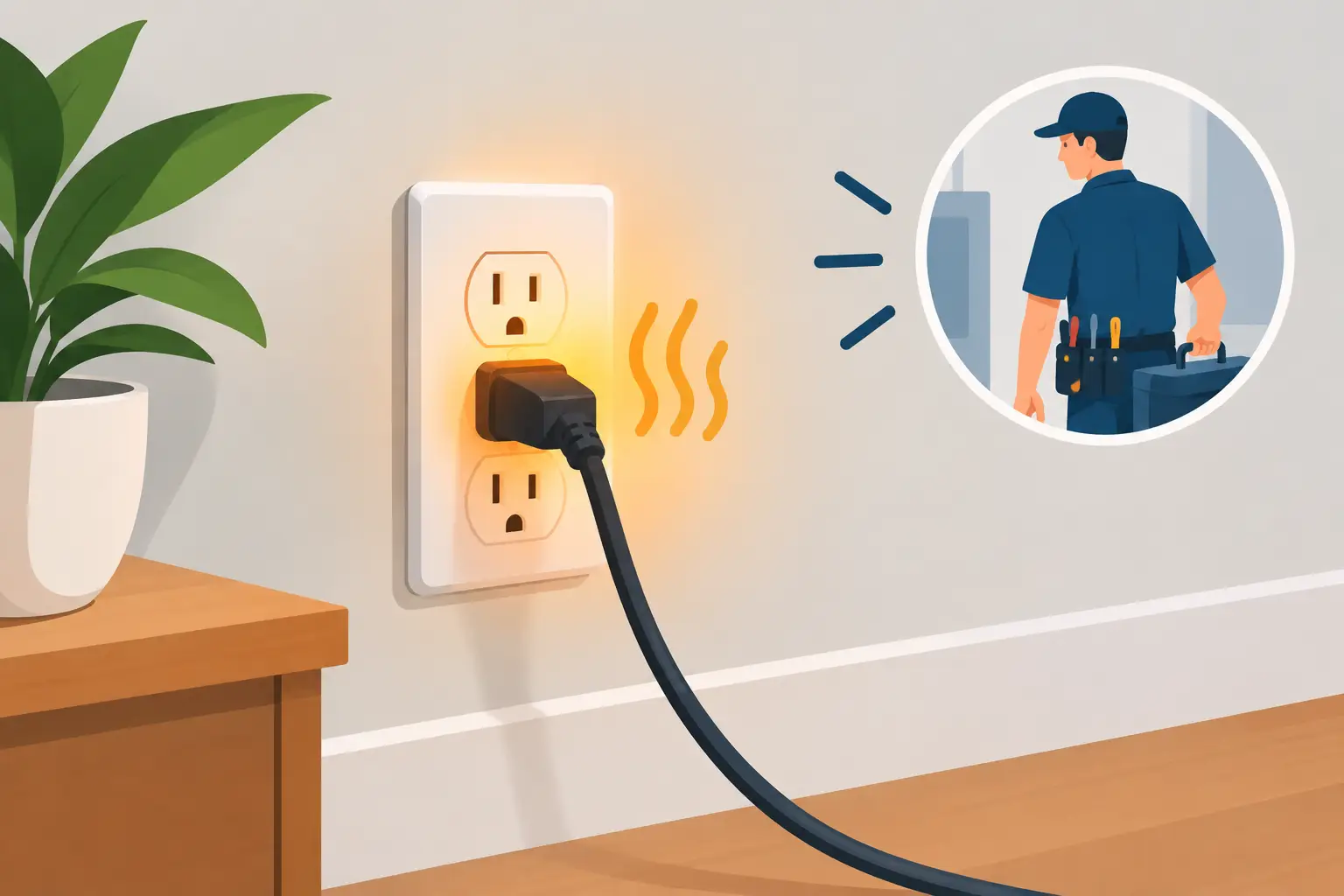
Permits and inspections may also be required, depending on the job and local code. That is not paperwork for the sake of paperwork. Proper permitting helps make sure the installation meets safety standards, especially when gas lines, venting, pressure relief components, or electrical connections are involved.
Code upgrades can raise the final price, but they are often necessary. Examples include adding or replacing shutoff valves, drip pans, earthquake or safety strapping where applicable, venting components, expansion tanks, drain lines, or temperature and pressure relief piping. If your current system is older, it may not meet current standards, even if it has been working for years.
Size matters more than most homeowners think
One reason estimates vary so much is that the right heater size is different for every household. Two people in a home with staggered schedules may do well with a smaller tank. A busy family with multiple bathrooms, laundry loads, and back-to-back showers may need significantly more hot water capacity.
Tankless sizing is even more specific because it depends on flow rate and temperature rise. If the unit is undersized, you may not get the performance you expected. If it is oversized, you may spend more than necessary.
A good recommendation should match your real demand, not just the size of your old unit. If your existing heater has always left someone with cold water, replacement is the right time to fix that problem instead of repeating it.
Hidden costs that can surprise homeowners
Most people expect to pay for the heater and labor. Fewer expect the extra work that sometimes appears once the old unit is removed. Corroded connections, outdated venting, a failing shutoff valve, a damaged drain pan, or signs of a slow leak can all add to the project.
In some cases, installation crews also find that the platform, closet, or surrounding plumbing needs attention. If you are replacing a unit after it has leaked, there may be minor water damage nearby. And if you are converting to a different system type, the supporting infrastructure can become a larger part of the investment than the heater itself.
This is why clear estimates matter. The best service experience is not just a fair price. It is knowing what is included, what might change, and why.
When replacement makes more sense than repair
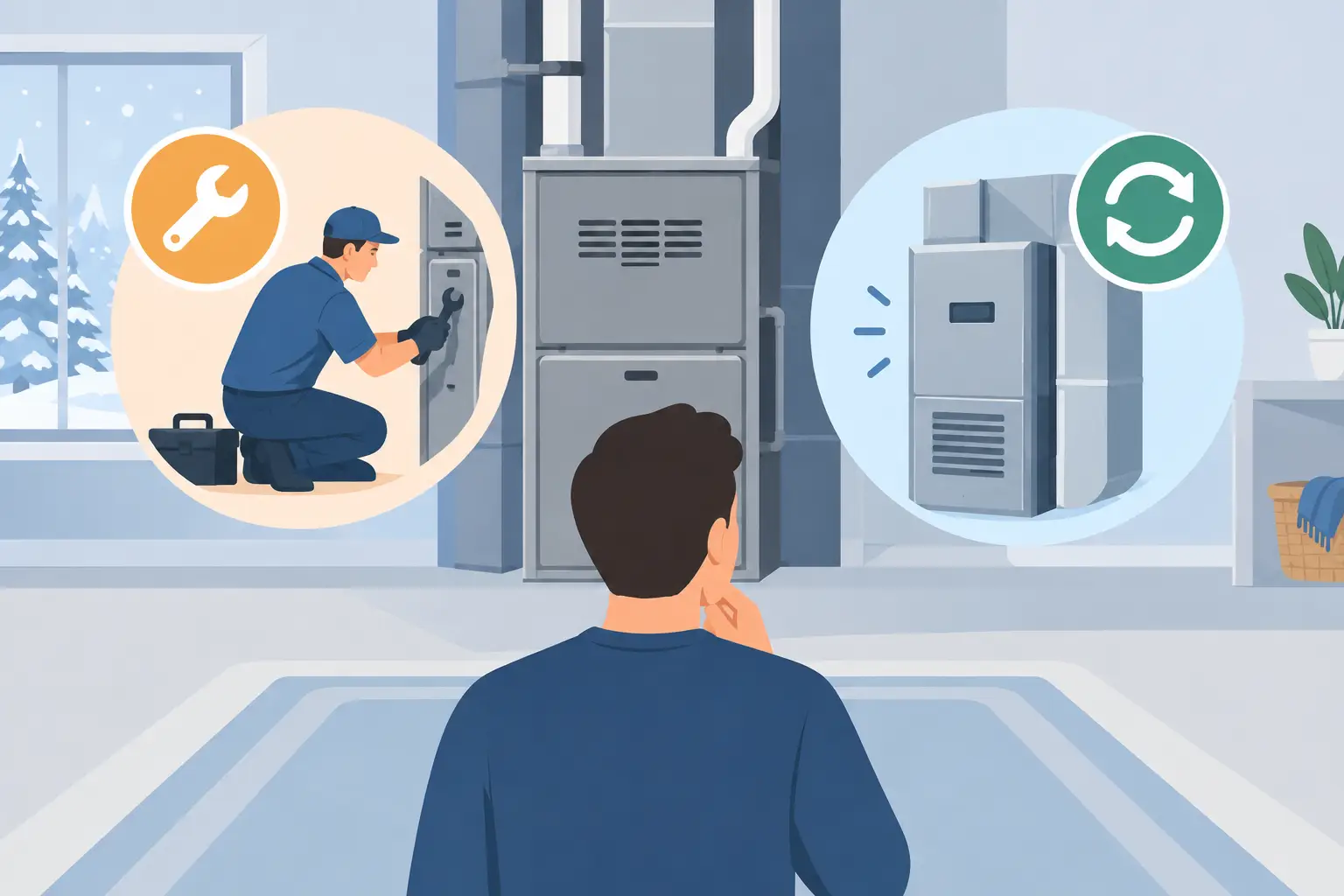
Homeowners often ask whether they should repair the existing unit one more time or replace it now. That depends on age, condition, and repair history. If the heater is relatively new and the issue is isolated, repair may be the practical move. If it is older, inefficient, rusty, or leaking from the tank itself, replacement is usually the better call.
A rough rule is that traditional tank water heaters often last around 8 to 12 years, while tankless systems can last longer with proper maintenance. Once a tank-style heater gets into the later part of that range, repeated repairs start to make less financial sense. You can keep paying for temporary fixes, or you can put that money toward a new system with better reliability and warranty coverage.
In Florida, where homeowners already depend on major systems year-round, many families prefer to replace aging equipment before it fails at the worst possible time. That proactive decision can reduce stress, limit water damage risk, and make scheduling easier.
How to keep the price manageable
If the project feels larger than expected, financing can help spread out the cost instead of delaying a needed replacement. That can be especially helpful when the unit has already failed and hot water is not optional.
It also helps to think about total value, not just sticker price. A dependable installation, correct sizing, code-compliant work, and solid warranty support can save money over time. The cheapest route is not always the least expensive once you factor in performance, future repairs, and how long the system will last.
Working with a company that handles plumbing, electrical, and related home system needs can also simplify the process if the job uncovers additional issues. For homeowners in Central Florida, that kind of convenience matters when you want the problem solved quickly and correctly, without juggling multiple contractors.
Getting an accurate estimate for water heater replacement cost
The most accurate quote comes from an in-home evaluation. Photos and rough measurements can help, but they do not always reveal access limitations, venting issues, code requirements, or the condition of existing connections.
A strong estimate should explain the recommended unit, why it fits your household, what labor is included, whether permits are needed, and which upgrades may be required. If a quote looks dramatically lower than others, ask what has been left out.
At ACS Home Services, the goal is to make replacement feel straightforward instead of stressful. If your water heater is aging, leaking, or no longer keeping up, the right next step is getting real answers before you are stuck without hot water. A little clarity now can save you from a much bigger headache later.