

Power outages in Florida can go from annoying to stressful in a hurry. One minute you are listening to the rain hit the windows, and the next your air conditioner is off, the fridge is warming up, the Wi-Fi is down, and everyone in the house is asking the same question: “How long is this going to last?”
That is where a whole home generator can make a major difference. Instead of waiting in the dark and hoping the outage ends soon, a properly installed standby generator can help keep the most important parts of your home running. For many Tampa area homeowners, that means comfort, safety, and a little more peace of mind during storm season.
So, do you actually need one? The answer depends on your home, your electrical needs, your comfort level during outages, and how much disruption you are willing to deal with when the power goes out.
What Is A Whole Home Generator?
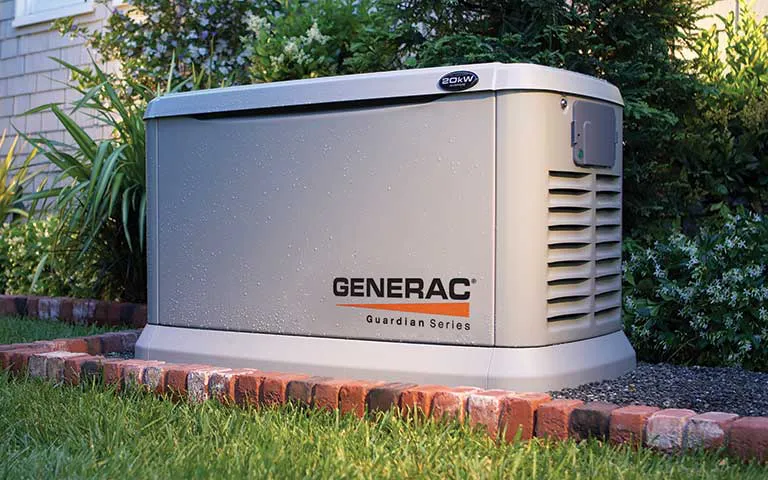
A whole-home generator is a standby power system installed outside your home and connected to your electrical system. When your utility power goes out, the generator can automatically turn on and supply backup power to selected circuits or, depending on the system design, to much of the home.
Unlike a small portable generator, a whole home generator is designed to be a more permanent, convenient solution. It is installed by qualified professionals, connected via a transfer switch, and sized to power what you want it to.
Depending on your setup, a whole home generator may be able to help power:
- Your air conditioning system
- Refrigerators and freezers
- Lighting and ceiling fans
- Medical equipment and essential outlets
- Wi-Fi, security systems, and home office equipment
- Kitchen appliances and other important household circuits
If you are starting to compare your options, ACS Home Services offers whole-home generator services in Tampa to help you understand which size and style of system may fit your home.
Why Tampa Homeowners Think About Backup Power
Living in the Tampa area comes with plenty of sunshine, but also storms, heavy rain, lightning, wind, and the occasional outage that lasts longer than expected. Even a short outage can be frustrating. A longer one can affect comfort, food, safety, and day-to-day life.
A generator may be worth considering if you want to reduce the impact of outages caused by:
- Severe thunderstorms
- Tropical weather and hurricane season
- Grid interruptions
- Transformer or equipment failures
- Unexpected electrical issues near your home
- High demand during extreme heat
For many homeowners, the biggest concern is not just losing power. It is losing air conditioning in the middle of a hot, humid Florida day. A generator can help keep your home more livable when the weather outside is not exactly forgiving.
Signs A Whole Home Generator May Be A Good Fit
Not every home needs the same backup power setup. Some homeowners only want to keep the refrigerator and a few lights running. Others want enough power to maintain comfort, security, and normal routines as much as possible.
You may be a good candidate for a whole home generator if:
- You have experienced repeated power outages in your neighborhood.
- You work from home and need reliable power for the internet and equipment.
- You have refrigerated medication or medical equipment that must stay powered up.
- You want to keep your AC running during an outage.
- You have young children, older family members, or pets who are sensitive to heat.
- You want a safer, more convenient option than managing portable equipment during bad weather.
A whole-home generator is not just about convenience. In some homes, it can be part of a bigger safety and comfort plan. If your electrical system needs to be evaluated before adding backup power, the Tampa electricians at ACS Home Services can inspect your current setup and help determine what may be needed.
Portable Generator Or Whole Home Generator?
Portable generators can be useful in some situations, but they also require more hands-on effort. They must be positioned correctly, fueled, started manually, and used safely. They are not usually designed to power an entire home.
A whole home generator offers a different experience. It is installed as part of your home’s electrical system and can be set up to start automatically when an outage is detected.
A portable generator may make sense if:
- You only need limited temporary power.
- You are comfortable setting it up during an outage.
- You have a safe outdoor place to operate it.
- You do not need automatic backup power.
A whole home generator may make sense if:
- You want automatic backup power.
- You want to power major home systems.
- You prefer a professionally installed permanent system.
- You want less hassle during storms and outages.
The right answer depends on how much power you need, what you want protected, and how much effort you want to deal with when the lights go out.
What Can A Whole Home Generator Actually Power?
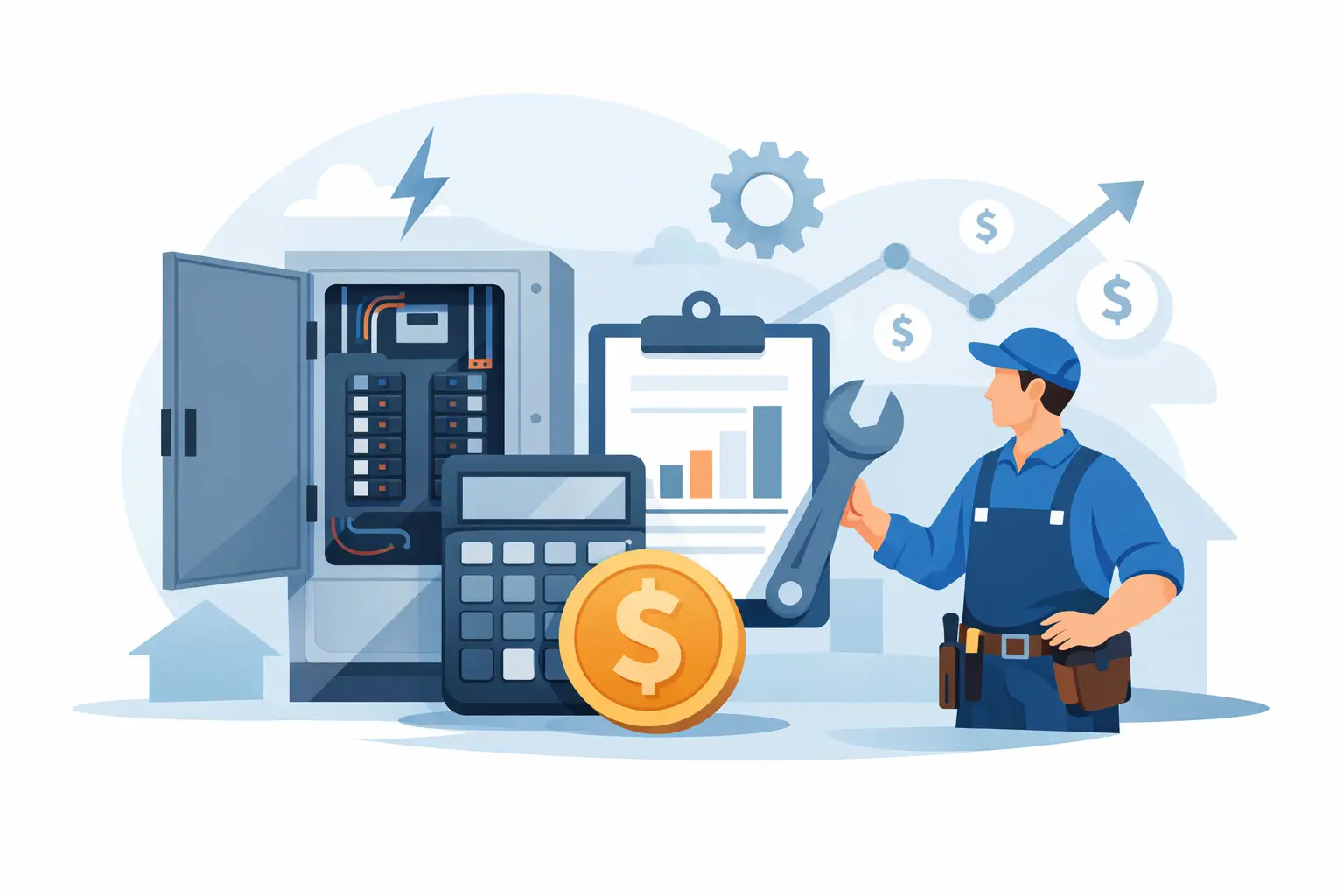
This is one of the most important questions to ask before installation. A generator should be sized around your real electrical needs, not a guess. Running a few lights and outlets is very different from running central air, kitchen appliances, and multiple large systems simultaneously.
During a generator consultation, an electrician may look at:
- Your electrical panel
- Your HVAC system requirements
- Appliances you want backed up
- Your preferred comfort level during outages
- Available installation space
- Transfer switch and code requirements
This step matters because an undersized generator may not support the systems you care about most, while an oversized system may cost more than necessary. A carefully planned plan helps you get backup power that fits your home, instead of paying for a one-size-fits-all solution.
Electrical Safety Matters During Generator Installation
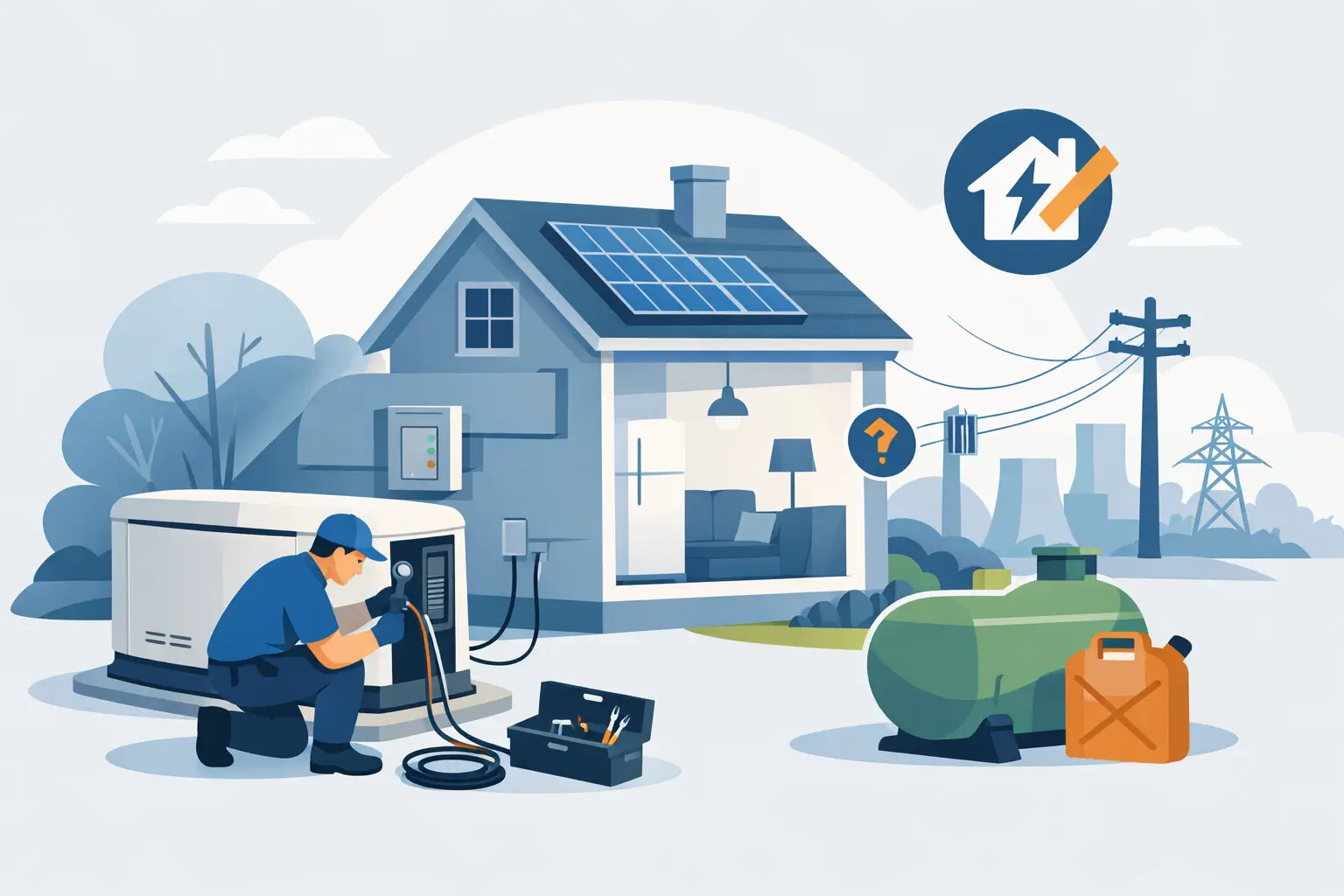
A whole home generator is not a plug-and-play weekend project. It connects to your home’s electrical system, which means proper installation is essential. Transfer switches, load calculations, wiring, permits, and safety requirements all need to be handled correctly.
Poor generator installation can create serious risks, including overloaded circuits, damaged equipment, unsafe backfeeding, or unreliable operation when you need the system most. This is why generator installation should be handled by trained electrical professionals.
If your panel, wiring, or circuits need attention before installation, ACS Home Services can help with both generator-related work and broader electrical services in Tampa.
What Happens During A Generator Consultation?
A good generator consultation should feel practical, not pushy. The goal is to understand your home, your priorities, and what type of backup power would actually be useful.
You can usually expect the process to include:
- A conversation about what you want to power during an outage
- An inspection of your electrical panel and related equipment
- A review of installation location options
- Generator sizing recommendations
- A clear explanation of what the installation may involve
- Answers to your questions about maintenance and operation
This is also a good time to bring up anything unique about your home, such as a home office, medical equipment, frequent travel, or a strong preference to keep the air conditioner running during outages.
Do Whole Home Generators Need Maintenance?
Yes. A whole-home generator is a mechanical and electrical system that needs routine maintenance to stay ready. The last thing you want is to find out during a power outage that your backup system has a battery issue, low fluid level, clogged filter, or another preventable problem.
Regular maintenance may include checking:
- Battery condition
- Oil and filter condition
- Electrical connections
- Transfer switch operation
- System startup and test cycles
- General wear, corrosion, or damage
Generator maintenance is especially important in Florida because outdoor equipment must withstand heat, humidity, rain, and storm debris. A little upkeep before storm season can help your system perform when it is actually needed.
When A Generator Is Not The Only Electrical Issue
Sometimes a power problem is not caused by a utility outage. Flickering lights, burning smells, buzzing outlets, warm switches, or repeatedly tripping breakers can point to a more urgent electrical issue inside the home.
If you notice warning signs like these, it is best to take them seriously:
- A burning smell near outlets, switches, or the panel
- Breakers that trip repeatedly
- Lights that flicker without an obvious cause
- Outlets or switches that feel hot
- Sparks, buzzing, or visible damage
- Power loss is affecting only part of your home.
In those situations, backup power may not be the first thing you need. You may need fast electrical troubleshooting. ACS Home Services offers emergency electrician services in Tampa for urgent electrical issues that cannot wait.
Questions To Ask Before Installing A Whole Home Generator
Before you make a decision, it helps to think through what you really want from a backup power system. A generator is a meaningful investment, so the best choice is the one that fits your home and your priorities.
Ask yourself:
- How often do we lose power?
- How long do outages usually last in our area?
- Do we need to keep the AC running?
- Which appliances are truly essential?
- Do we work from home or rely on powered equipment?
- Would automatic startup make a big difference for our household?
- Is our electrical panel ready for generator installation?
- Do we want backup power for comfort, safety, convenience, or all three?
Your answers can help an electrician recommend a generator setup that makes sense instead of simply choosing the biggest system available.
Call ACS Home Services For Whole Home Generator Help
If you are tired of wondering what will happen the next time the power goes out, ACS Home Services can help you explore your options. Their team can evaluate your home, review your electrical system, and help you decide whether a whole home generator is a smart fit for your needs.
For generator installation, electrical service, or urgent power-related concerns, call (833) 278-8886 or schedule service through the ACS Home Services contact page. You can also find local information and reviews on the ACS Home Services Google Maps profile.
Whether you are planning ahead for storm season or dealing with electrical concerns right now, the team at ACS Home Services is ready to help you keep your home safer, more comfortable, and better prepared.
Frequently Asked Questions
Do I really need a whole-home generator in Tampa?
You may need a whole home generator if power outages regularly disrupt your comfort, work, food storage, medical equipment, or home safety. Tampa-area homeowners often consider generators because storms, heat, and unexpected outages can cause serious inconvenience.
What size generator do I need for my home?
The right generator size depends on what you want to power during an outage. An electrician should review your electrical panel, HVAC system, appliances, and essential circuits before recommending a system.
Can a whole home generator run my air conditioner?
Many whole-home generators can be sized to support an air conditioning system, but this depends on the generator’s capacity and your AC’s electrical requirements. This should be reviewed during the planning and sizing process.
Is a whole home generator better than a portable generator?
A whole home generator is usually more convenient because it is permanently installed and can start automatically during an outage. A portable generator may work for limited needs, but it typically requires more setup and manual operation.
How long does it take to install a whole-home generator?
Installation timing can vary based on the generator, electrical work, permitting, site conditions, and transfer switch requirements. A consultation is the best way to get a realistic timeline for your home.
Does a whole home generator turn on automatically?
Many standby generator systems are designed to automatically start when utility power is lost. The setup depends on the generator and transfer switch installed with your home’s electrical system.
Do whole home generators need regular maintenance?
Yes. Routine maintenance helps keep the generator ready for outages and can catch issues such as weak batteries, dirty filters, worn parts, or electrical connection problems before they cause a failure.
Who should install a whole-home generator?
A whole home generator should be installed by qualified electrical professionals because it connects to your home’s electrical system. Proper installation helps protect your home, your equipment, and the utility workers who may be restoring power nearby.