

Power outages in Florida rarely show up at a convenient time. They hit during a summer storm, in the middle of hurricane season, or on the hottest night of the week when your AC is already working overtime. That is why whole house generator installation has become less of a luxury and more of a practical upgrade for homeowners who want to keep their homes safe, comfortable, and functional when the grid goes down.
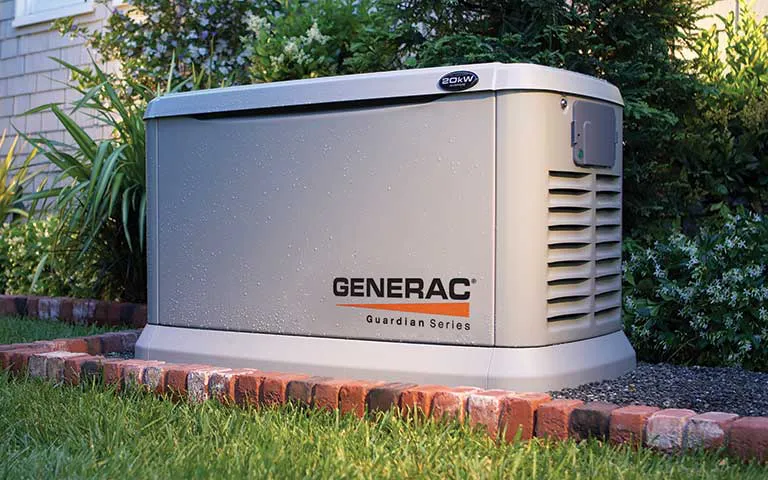
A standby generator is different from the portable unit you wheel out of the garage. It is permanently installed, connected to your home’s electrical system, and designed to turn on automatically when utility power fails. For families in Tampa and across Central Florida, that automatic response matters. It keeps refrigeration running, lights on, internet connected, and in many homes, air conditioning available when conditions outside are anything but forgiving.
What whole house generator installation actually includes
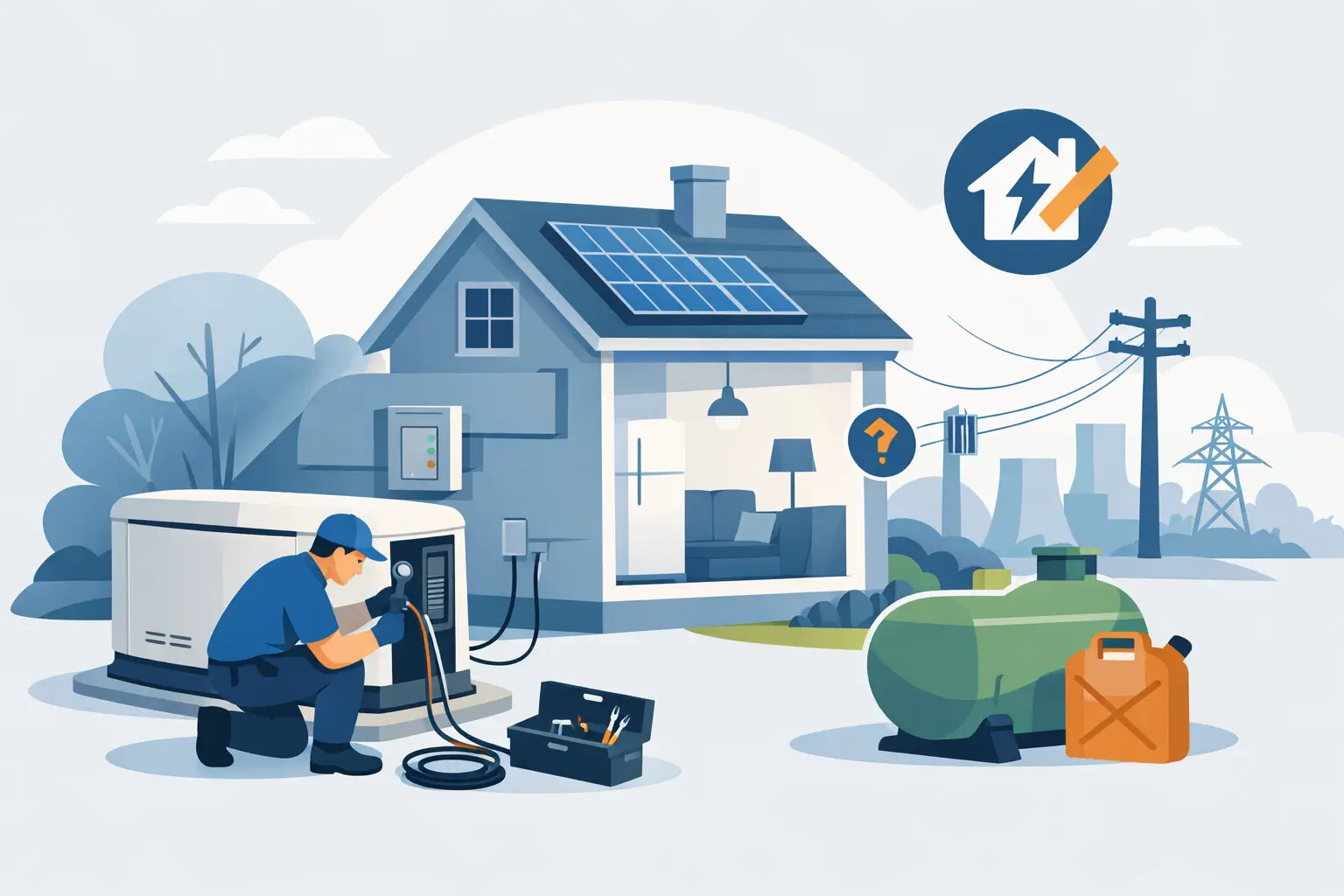
A lot of homeowners picture the generator itself and not much else. In reality, the installation is a coordinated electrical and fuel system project. The generator is only one part of the setup. The transfer switch, electrical connections, fuel supply, pad placement, code requirements, and startup testing all need to work together.
The transfer switch is what separates a safe standby system from a risky backfeed situation. When utility power drops, the switch disconnects your home from the grid and shifts it to generator power. When power returns, it switches back. That automatic handoff is what protects your system, your appliances, and utility workers.
Placement matters too. Generators need proper clearance from windows, doors, vents, and neighboring structures. They also need a stable base and enough room for service access. Florida homeowners often have tight side yards, pool enclosures, landscaping, or HOA considerations that affect where the equipment can go. A good installation plan accounts for all of that before any work starts.
Why sizing is the make-or-break step
If the unit is too small, you will not get the backup performance you expect. If it is too large, you may spend more than necessary on equipment and installation. Proper sizing is one of the biggest decisions in whole house generator installation, and it should be based on your actual electrical demand rather than a rough guess.
Some homeowners want full-home coverage. Others care most about key circuits like the AC system, refrigerator, lighting, garage door, internet equipment, medical devices, and water heater. Both approaches can make sense. It depends on your budget, your home’s electrical load, and how much convenience you want during an outage.
In Florida, air conditioning often changes the equation. A generator that can handle lights and kitchen appliances may not be large enough to start and run a central AC system. That is why load calculations matter. A professional installer should review your panel, major appliances, startup demands, and fuel type before recommending a unit size.
Fuel choice affects performance and planning
Most whole-home standby generators run on natural gas or propane. Each option has advantages, and the right choice usually comes down to what is available at your property and how you want the system to perform during extended outages.
Natural gas is convenient if your home already has service. There is no on-site refueling, and you do not have to monitor a tank level. That simplicity is appealing for homeowners who want low day-to-day involvement. The trade-off is that your generator depends on utility gas service staying available during a major event.
Propane gives you stored fuel on site, which can be a plus during widespread outages. It is often the better fit for homes without natural gas access. The trade-off is tank size and refill logistics. A larger generator or a longer outage means fuel planning matters a lot more.
Because generator projects often involve both electrical and gas work, homeowners benefit from working with a company that understands more than one home system. That coordination can make the project smoother and reduce the back-and-forth that happens when separate contractors handle separate pieces.
The installation process from start to finish
The first step is usually an in-home assessment. The contractor looks at your electrical panel, identifies the loads you want backed up, reviews fuel availability, and checks possible equipment locations. This is also when questions about noise, appearance, HOA rules, and service access should come up.
Next comes system design and permitting. Whole house generator installation is not a quick plug-and-play job. It typically requires electrical permits and may require fuel or gas permits depending on the setup. Local codes matter, and inspections are part of doing the job correctly.
Once permits are in place, the physical installation begins. The pad is prepared, the generator is set, the transfer switch is installed, electrical wiring is completed, and the fuel connection is made. After that, the system is tested under operating conditions to confirm it starts properly, transfers power correctly, and runs as intended.
For homeowners, one of the biggest concerns is disruption. The good news is that a well-managed installation is usually more organized than people expect. There may be a brief planned outage while electrical connections are completed, but the goal is a controlled process with clear communication at every step.
What it costs and why prices vary
Generator pricing depends on more than the equipment label. The size of the unit, transfer switch type, distance to the gas source, electrical upgrades, pad work, permit fees, and site access all affect the final cost. A straightforward installation on a newer home may look very different from a project that requires panel modifications or added gas piping.
That is why very low quote numbers deserve a second look. Sometimes they leave out important work that appears later as change orders. Sometimes they reflect undersized equipment. And sometimes they do not account for the realities of your property at all.
A quality estimate should explain what is included, what assumptions are being made, and whether any additional upgrades may be needed. For many homeowners, financing also plays a role. A standby generator is a major investment, but for families who work from home, care for elderly relatives, store medications, or simply do not want to lose comfort during prolonged outages, the value can be easy to justify.
Common mistakes homeowners can avoid
One of the most common mistakes is choosing a generator based only on square footage. Homes with similar sizes can have very different electrical demands. Another is underestimating how much fuel planning matters, especially with propane systems.
Noise is another point people think about too late. Standby generators are much quieter than many homeowners expect, but they are not silent. Placement, distance from bedrooms, and local regulations all matter. So does routine maintenance. A generator that sits unused for years without service is not a system you want to depend on during storm season.
It is also a mistake to treat installation as a standalone project with no long-term service plan. Generators need regular inspections, oil and filter changes, battery checks, and test runs. If you want real peace of mind, installation should be paired with maintenance from a provider you can reach when you need help.
Why local experience matters in Florida
Florida homes deal with a specific mix of challenges: heat, humidity, strong storms, salt air in coastal areas, and long outage risks during severe weather. Those conditions shape how backup power should be planned.
A local team understands that keeping the AC running may be more than a comfort issue. It can protect indoor air quality, help prevent humidity damage, and make a home livable for children, older adults, and pets. They also know how local permitting, utility coordination, and property layouts tend to affect timing.
For homeowners who already rely on one trusted company for HVAC, plumbing, and electrical work, a generator project can feel much less complicated. ACS Home Services is built around that kind of convenience – one team, one schedule, and one place to call when your home’s essential systems need attention.
Is whole house generator installation worth it?
For some homes, a portable generator covers the basics and that is enough. For others, especially in Central Florida, automatic standby power is the more reliable fit. If you travel often, have health-related power needs, work remotely, or just want your home to keep functioning during outages, the difference is hard to ignore.
The best way to think about it is not just as a storm-season purchase. It is a home resilience upgrade. It protects food, comfort, security systems, internet access, and daily routines when the grid is unreliable. And because every home is different, the right answer depends on your electrical load, fuel options, budget, and expectations.
If you are considering whole house generator installation, the smartest next step is a professional assessment based on your actual home, not a one-size-fits-all estimate. A well-planned system should feel dependable before the first outage ever happens, because that confidence is really what you are buying.