

When the lights go out in one room, half the house, or the entire property, the first question is usually simple – is this a utility problem or something dangerous inside the home? That is exactly when an emergency electrician for power outage service becomes valuable. A fast response matters, but so does getting the right diagnosis before a small electrical issue turns into a safety hazard.
In Central Florida, outages do not always mean the same thing. Summer storms, grid disruptions, damaged service lines, overloaded panels, failing breakers, and aging wiring can all leave a home without power. The difference is that some of those problems are inconvenient, while others can put your appliances, your electrical system, and your family at risk.
When to call an emergency electrician for power outage problems
A whole-neighborhood blackout usually points to the utility company. If nearby homes are dark too, your first step is checking for a reported outage. But if your neighbors still have power and your home does not, the issue may be inside your electrical system or at the point where power enters the house.
That is where homeowners often lose time. They reset breakers again and again, assume the problem will clear on its own, or wait until the next day. Sometimes that is harmless. Other times, it delays repairs on a damaged panel, overheated circuit, failed main breaker, or loose connection that needs immediate professional attention.
Call for emergency electrical service right away if you notice a burning smell, buzzing from the panel, scorch marks around outlets, repeated breaker trips, flickering before the outage, or power loss affecting only your home. These signs suggest more than a routine interruption. They suggest the electrical system may be unstable.
If you rely on medical equipment, refrigeration for medication, a well pump, or essential cooling during extreme Florida heat, urgency goes up even more. In those situations, restoring power is not just about convenience. It is about keeping the home safe and functional.
What an emergency electrician checks first
A trained electrician does more than flip switches and test a few outlets. The first priority is narrowing down where the failure happened. That could be at the utility feed, meter base, main disconnect, panel, branch circuits, GFCI protection, or a damaged connection somewhere in the system.
If the outage affects the whole home, the electrician will typically inspect whether power is reaching the panel at all. If it is, the next step is identifying whether the panel is distributing power correctly. A failed main breaker, corroded connection, or overloaded bus can all interrupt service. Older homes in Tampa and surrounding areas may also have outdated panels that are more likely to fail under modern electrical demand.
If only part of the home is out, the problem may be more localized. A tripped breaker that will not reset, a hidden wiring fault, or a failed outlet in a series can interrupt an entire section of the house. Sometimes the issue traces back to recent appliance use. Portable AC units, space heaters, microwaves, garage refrigerators, and EV chargers can all strain circuits if the system was not designed for the load.
The value of emergency service is not just speed. It is having someone on site who can tell the difference between a quick repair and a warning sign that the home needs a larger electrical upgrade.
What you should do before the electrician arrives
Start with safety. If you smell burning, hear crackling, or see smoke, do not keep testing switches or breakers. Shut off the main breaker if it is safe to do so and move away from the affected area. If there is active fire risk, call emergency responders first.
If there are no immediate hazard signs, check whether the outage is isolated to your home. Look outside, see whether streetlights or neighboring homes still have power, and contact the utility if needed. Then inspect your breaker panel once, carefully. A breaker that is clearly tripped may be reset one time. If it trips again, stop there. Repeated resetting can make the problem worse.
You should also unplug sensitive electronics and major appliances if power is fluctuating. Surges and inconsistent voltage can damage equipment even before the outage is resolved. Leave one light on so you can tell when power returns, and keep refrigerator and freezer doors closed as much as possible.
These steps help protect the home, but they do not replace an inspection. If the cause is internal, the safest move is to have a licensed electrician find and correct it.
Why power outages inside the home are not always simple
Homeowners often expect a single cause, but electrical outages can be layered. A tripped breaker might be the symptom rather than the root problem. The actual issue may be a failing appliance, loose wiring, water intrusion, damaged exterior equipment, or an overloaded panel.
Florida homes deal with a few added challenges. Storm activity can create sudden surges, moisture can affect outdoor electrical components, and heavy air conditioning use pushes systems harder for longer stretches of the year. If a panel is already aging or undersized, a storm or peak-load event may be what finally exposes the weakness.
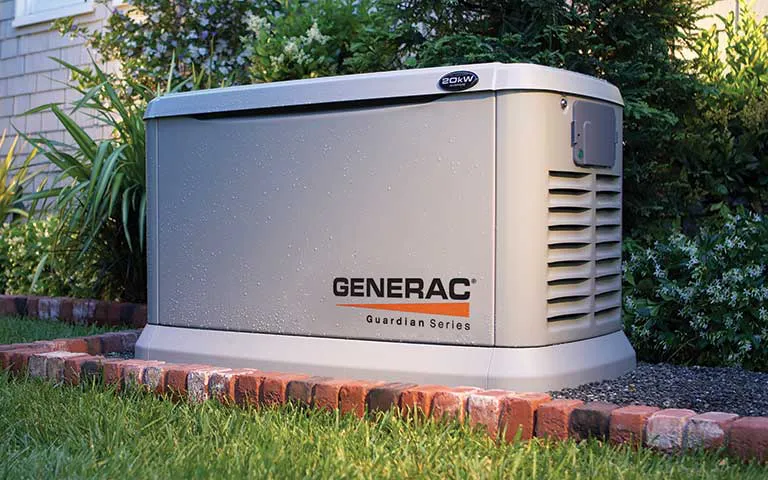
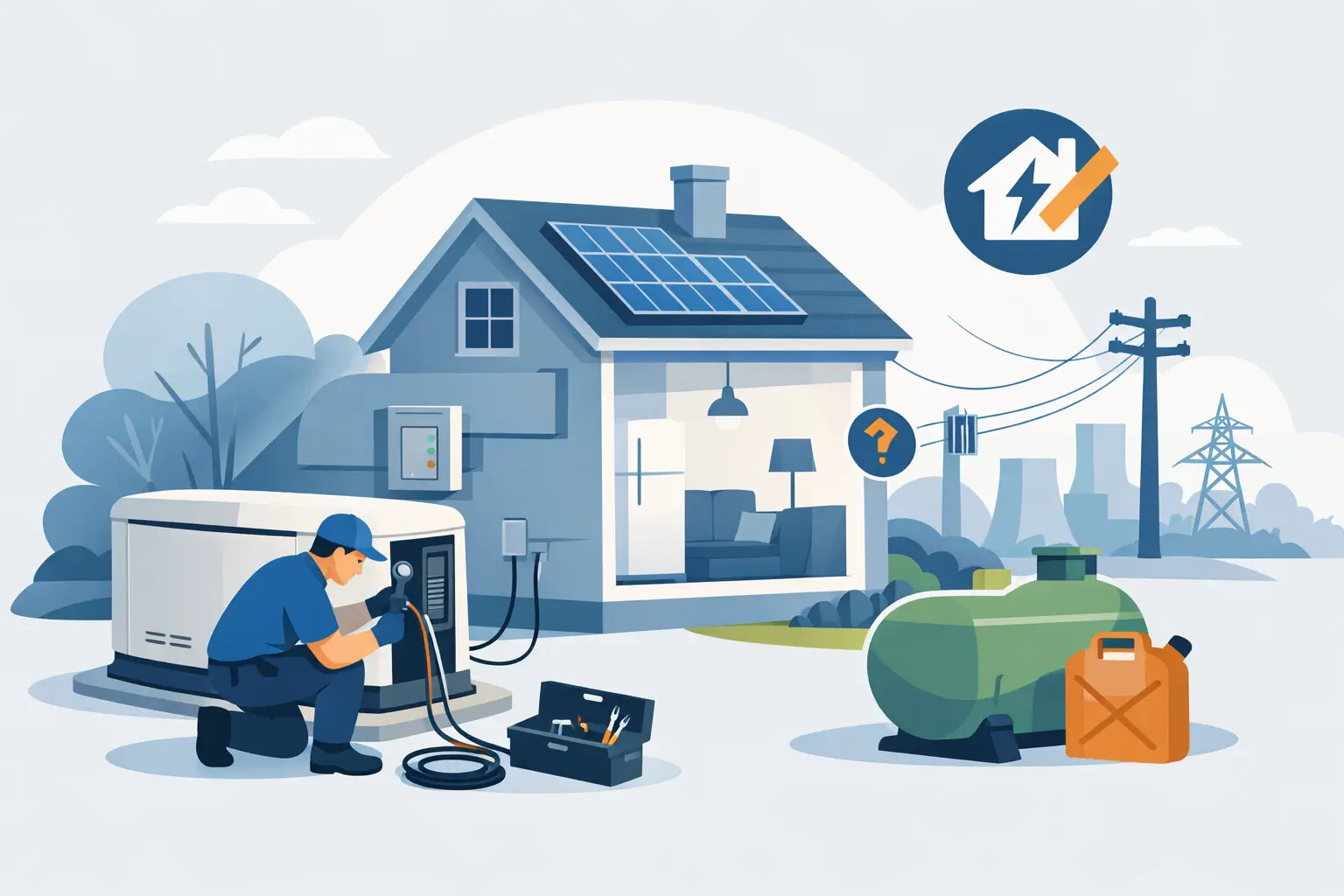
There is also the generator question. Backup power can help during area outages, but a generator setup has to be installed and connected correctly. If transfer equipment is faulty or the system is not sized for the home, it may not protect you the way you expect. An emergency electrician can identify whether the outage is unrelated to the generator, caused by the generator system, or a sign that the home needs a more reliable backup solution.
Repair now or upgrade the system?
This is where honest guidance matters. Not every outage means you need a panel replacement, and not every repair should be treated like a one-time fix.
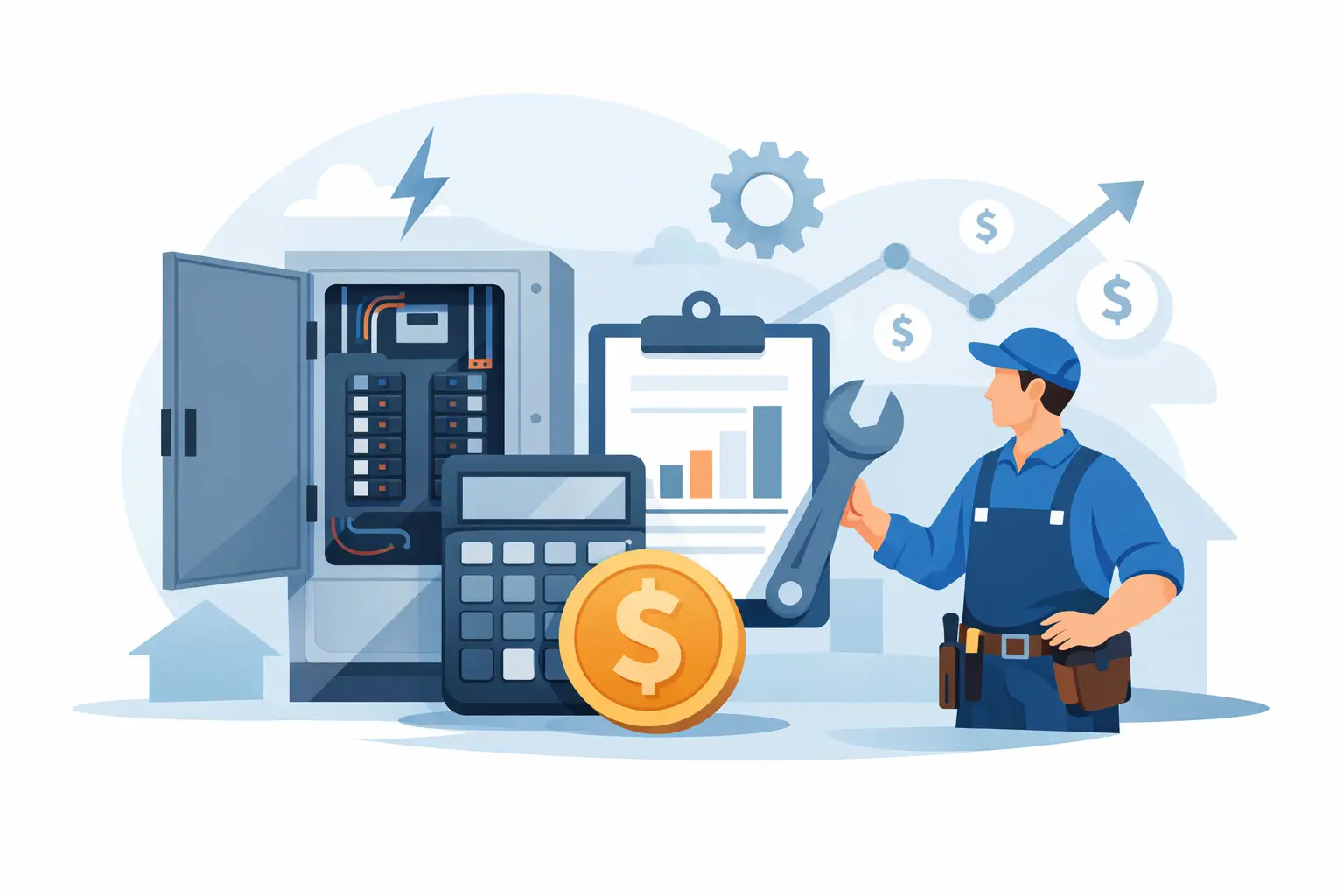
If the problem is a failed breaker, damaged outlet, or isolated wiring issue, a targeted repair may be all that is needed. But if the panel is outdated, circuits are overloaded, breakers trip regularly, or the home has added major electrical demand over the years, repairing the immediate failure may only solve part of the problem.
That is especially true in homes that have added new appliances, remodeled kitchens, home offices, EV chargers, or backup power equipment without a full look at electrical capacity. In those cases, the right recommendation may be a panel upgrade or broader system improvements to prevent repeat outages.
A dependable electrician should explain the trade-off clearly. The fastest fix is not always the most cost-effective path if the same issue is likely to come back. On the other hand, a full upgrade should have a real reason behind it, not just a sales pitch.
Choosing the right emergency electrician for power outage service
When power is out, response time matters. So does trust. You want a company that can show up quickly, diagnose accurately, and handle more than the obvious symptom.
Look for licensed electricians, 24/7 emergency availability, clear communication, and experience with residential panels, wiring, surge protection, and backup power systems. If the outage reveals a larger home-system problem, it also helps to work with a provider that understands how electrical issues can affect HVAC equipment, water heaters, sump pumps, and other essentials.
That full-home perspective is a real advantage for homeowners who do not want to coordinate multiple contractors during an urgent situation. In many cases, one electrical problem can interrupt comfort, safety, and daily routine all at once. Working with an established company like ACS Home Services can make the process easier, especially when fast scheduling and same-day support are priorities.
How to reduce the chances of another outage
The best emergency call is the one you never need to make. If your home has a history of flickering lights, warm outlets, nuisance breaker trips, or inconsistent power in certain rooms, those are early warning signs worth addressing before they become a full outage.
Routine electrical inspections, panel evaluations, surge protection, and properly planned upgrades can all lower the risk. So can having generators and transfer switches installed and maintained correctly. For older homes, preventive work is often less disruptive than waiting for a complete loss of power.
A sudden outage feels stressful because it stops everything at once. But the right response is not guessing. It is getting a qualified electrician involved quickly, making the home safe, and fixing the real cause so you can trust your power again.
If your home loses power and the cause is not obvious, treat it like the electrical issue it may be – not just an inconvenience. A fast, professional diagnosis can save time, protect your equipment, and give you confidence the problem is handled the right way.